中文简体
中文简体
 English
 русский

Quick Product Search
Contact us to learn how we can use our expertise to bring you high-quality products.
2026-05-08
Prepaid electricity systems are becoming more common in residential and commercial energy projects. In many utility applications, the STS-compliant meter is widely used to support secure token-based electricity management. As electricity providers continue improving billing efficiency and payment security, prepaid metering technology is receiving growing attention across different markets.
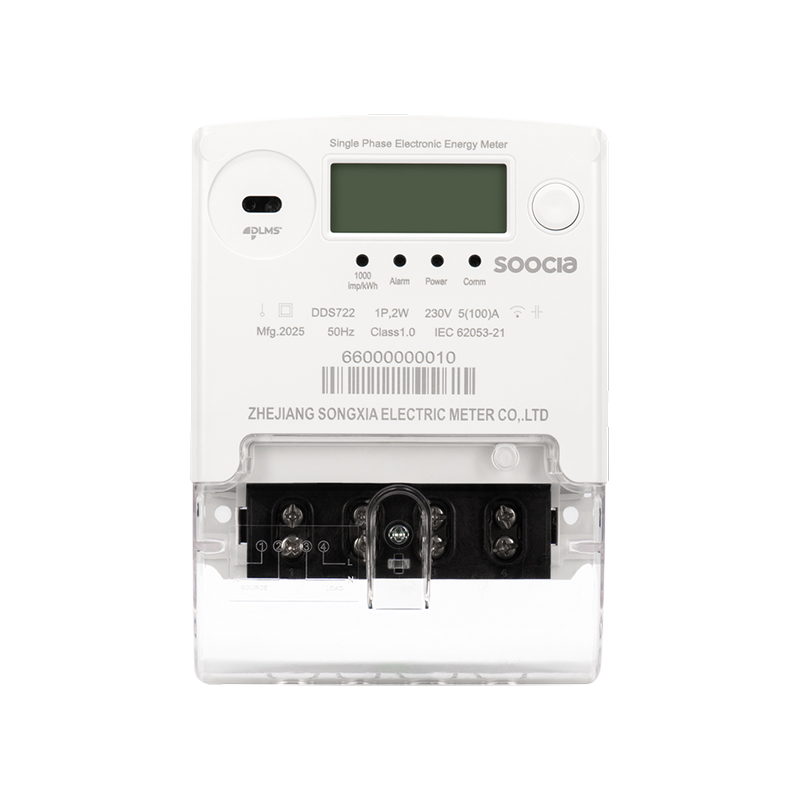
STS stands for Standard Transfer Specification, a recognized standard developed for prepaid utility systems. The technology allows electricity credits to be transferred through encrypted numeric tokens. Users can purchase electricity in advance and enter the token into the meter through a keypad or digital platform.
This prepaid structure allows consumers to monitor electricity usage more directly. Instead of receiving monthly electricity bills, users recharge energy credits according to their own consumption needs.
The STS-compliant meter is commonly used because it supports secure token validation and organized electricity management. The encrypted token system helps prevent unauthorized token duplication and supports safer electricity transactions.
Token-based electricity systems provide flexibility for both utility providers and electricity users. Consumers can recharge electricity credits at different times depending on their energy requirements.
This system also allows users to monitor electricity consumption more closely. Many prepaid meters include balance displays and low-credit warning functions that help users manage energy usage more efficiently.
For electricity providers, prepaid systems can simplify payment collection and reduce billing disputes. Since electricity is purchased before use, utility operators can improve payment visibility and reduce unpaid electricity balances.
Digital recharge systems are also becoming more common. Many users can now purchase electricity credits through online platforms, mobile payment systems, or local vending services.
Security remains an important factor in prepaid electricity infrastructure. Utility providers often face challenges related to electricity theft, unauthorized meter access, and token misuse.
The STS-compliant meter supports encrypted token generation and validation functions designed to improve transaction security. Each token is connected to a specific meter and can only be used within that authorized system.
Many prepaid electricity meters also include additional security functions such as:
These features help support safer electricity distribution while reducing operational risks for utility providers.
Anti-tamper technology is particularly useful in locations where electricity infrastructure may be exposed to unauthorized modifications. Event recording systems can also help maintenance teams review unusual meter activity during inspections.
STS prepaid electricity systems are used in many different environments. Residential apartment buildings often use prepaid meters to support independent electricity management for tenants.
With prepaid systems, each housing unit can manage its own electricity balance separately. This structure can reduce billing disputes while helping residents monitor energy usage more clearly.
Student dormitories and worker accommodations also frequently use prepaid electricity systems because they simplify electricity allocation among occupants.
Commercial properties may use prepaid technology in retail spaces, rental buildings, and temporary infrastructure projects where flexible utility billing is required.
In some community electrification projects, prepaid systems help simplify electricity access while supporting easier payment collection processes.
Digital infrastructure development is influencing the evolution of prepaid electricity systems. Many modern prepaid meters now support remote recharge functions and communication technologies.
Users can purchase electricity credits remotely through:
This flexibility improves user convenience and reduces dependence on physical recharge stations.
Some prepaid electricity systems also support communication technologies such as RF connectivity, GPRS modules, and IoT-based monitoring systems. These technologies help utility providers monitor meter performance and manage electricity distribution more efficiently.
Remote monitoring functions may support electricity consumption analysis, recharge tracking, and maintenance planning.
Recommended Products

With over 30 years of experience in electricity metering, we specialize in the design, manufacturing, and supply of energy meters. Our product portfolio covers multiple series, including mechanical, electronic, and smart meters.
Contact Us
+86-577-62711702
Zhejiang Soocia Electric Meter Co., Ltd.:
No.21-23 Shanggong Road, Shangwu Industrial Zone, Liushi Town, Yueqing City, Zhejiang Province, China
Huaxia Power Transmission And Distribution Equipment Co., Ltd.:
No. 222 Weisan Road, Yueqing Economic Development Zone, Yueqing City, Zhejiang Province, China

Industrial & Commercial Power Systems