中文简体
中文简体
 English
 русский

Quick Product Search
Contact us to learn how we can use our expertise to bring you high-quality products.
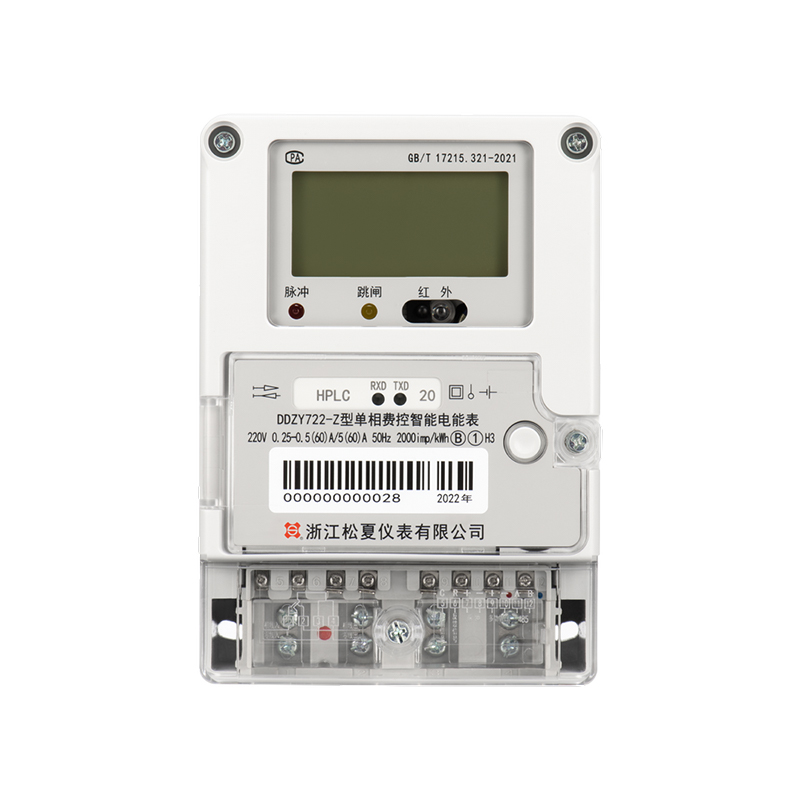
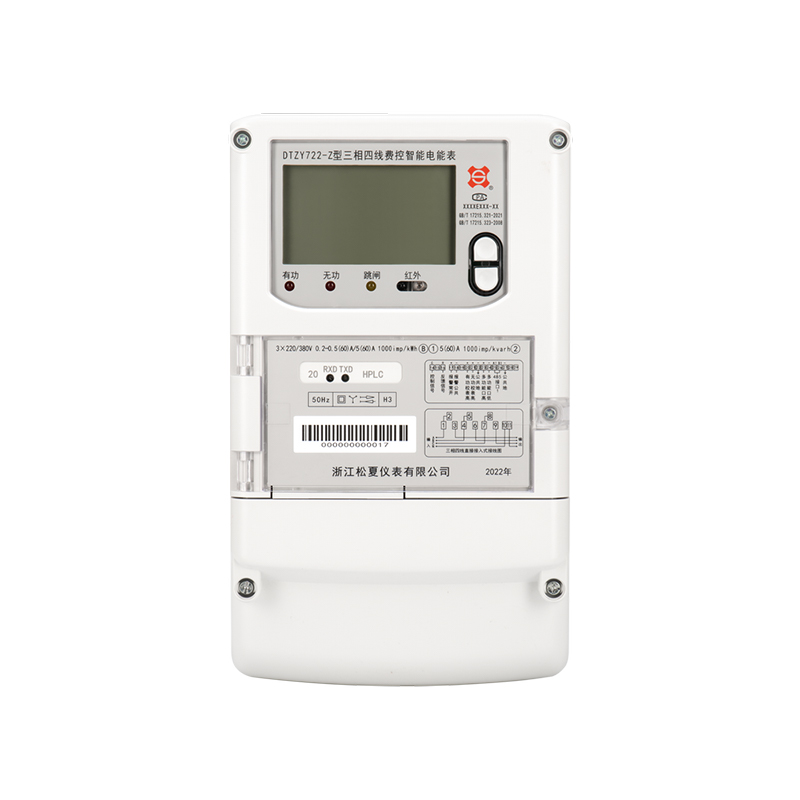
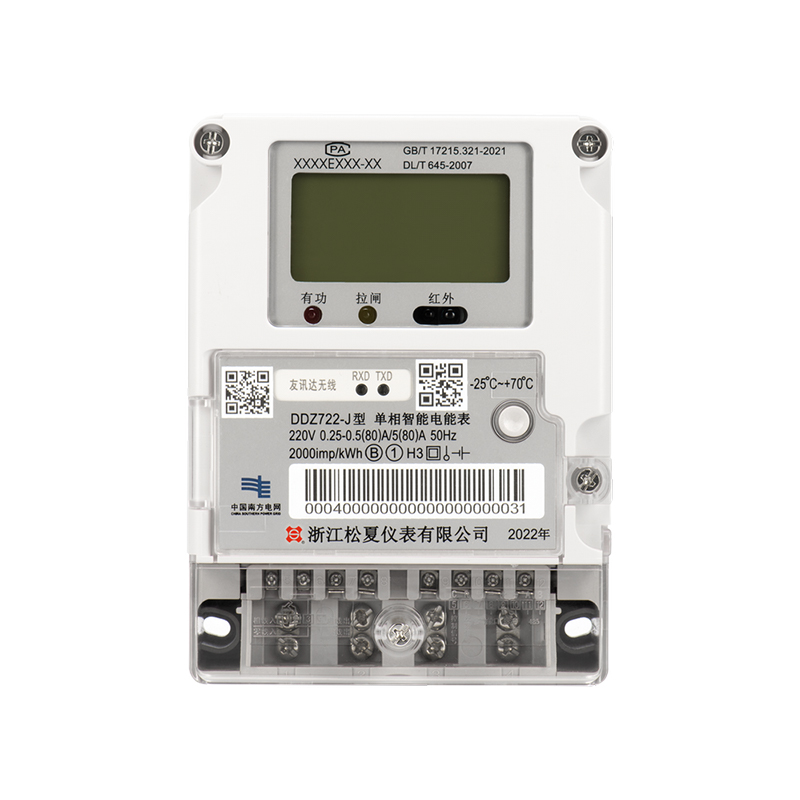
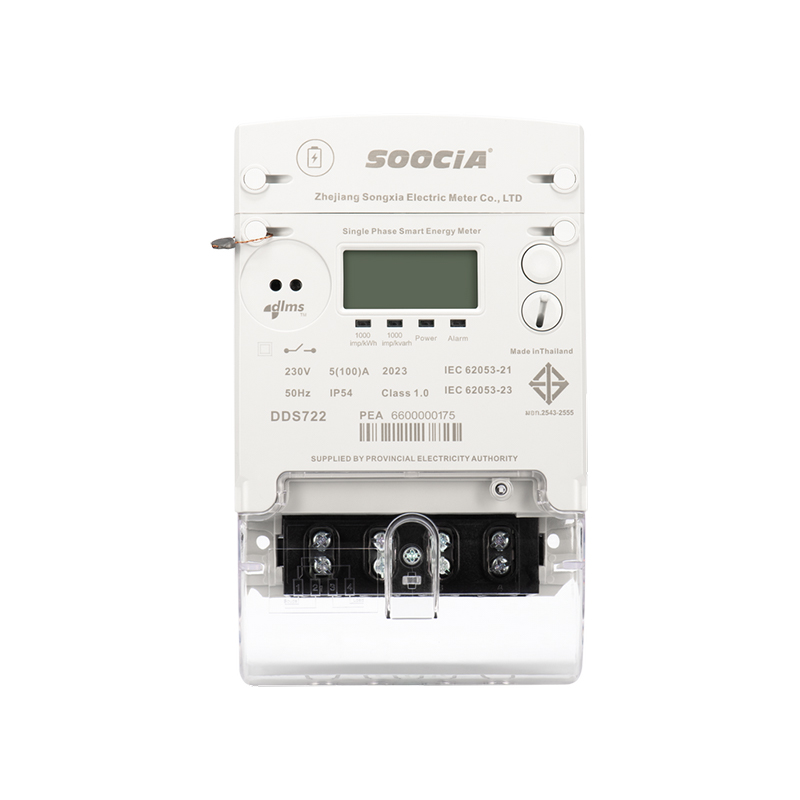
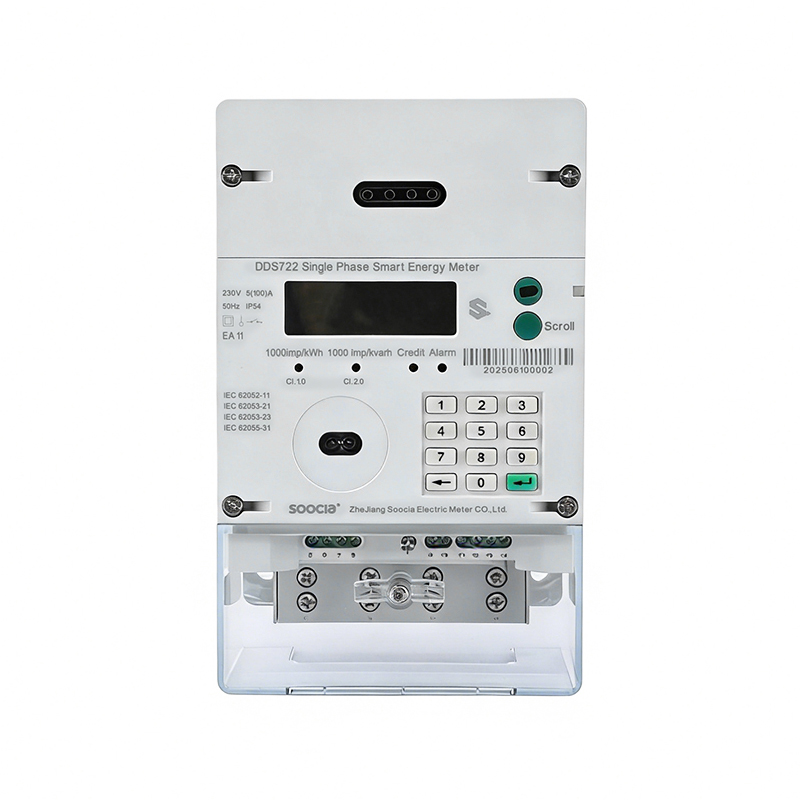
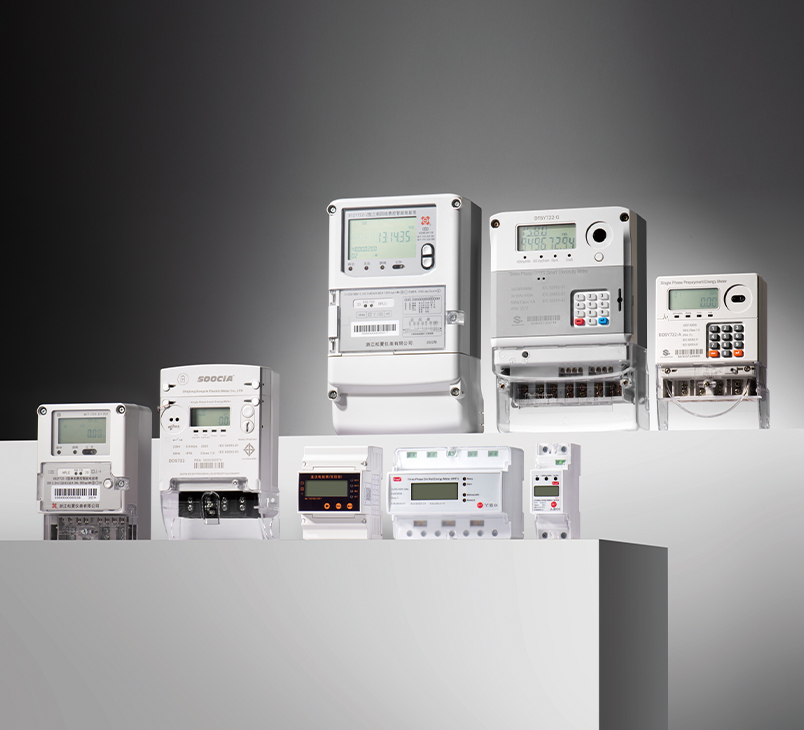
Smart electric meters represent a significant advancement in modern energy management. Designed for seamless integration with Advanced Metering Infrastructure (AMI) and smart grids, they offer real-time data acquisition, bidirectional communication, and enhanced energy control capabilities—delivering a new experience for both energy providers and consumers.
Key Features of Smart Electric Meters:
• Intelligent Functionality: Capable of autonomously detecting, analyzing, and resolving issues without human intervention.
• Standardization: Compliant with unified technical specifications.
• User-Friendly Design: Offers an intuitive interface and considerate features to optimize the user experience.
• Information Interaction: Supports real-time data transmission and remote management for efficient energy control and data sharing.
• Security: Equipped with advanced encryption and protection technologies to ensure data privacy and user security.
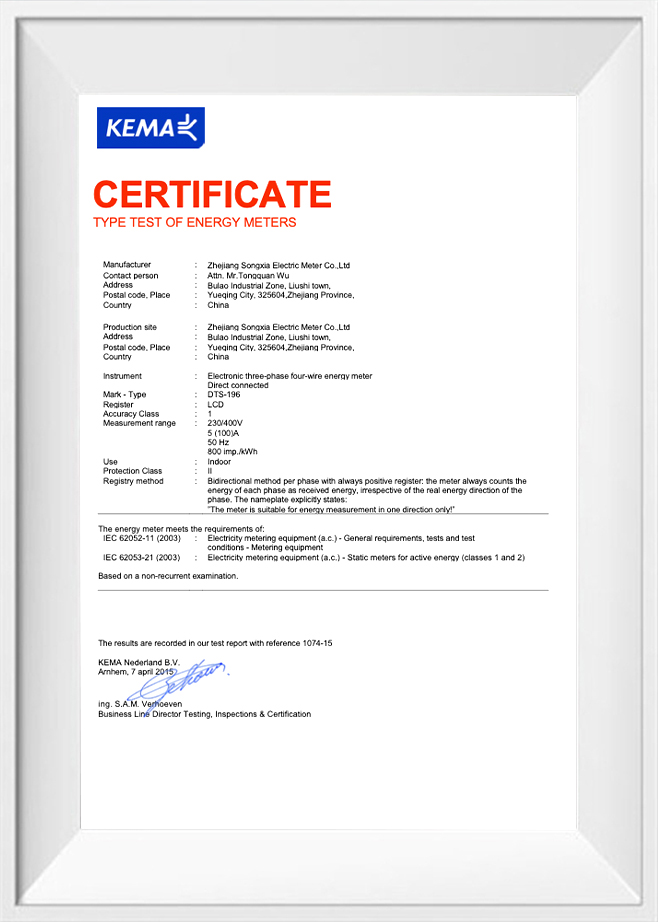
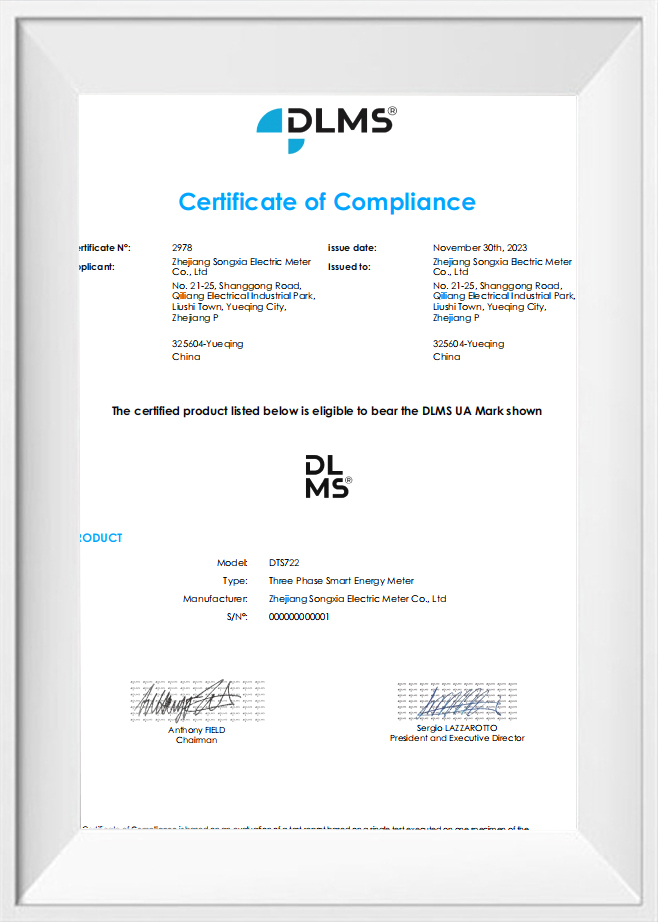
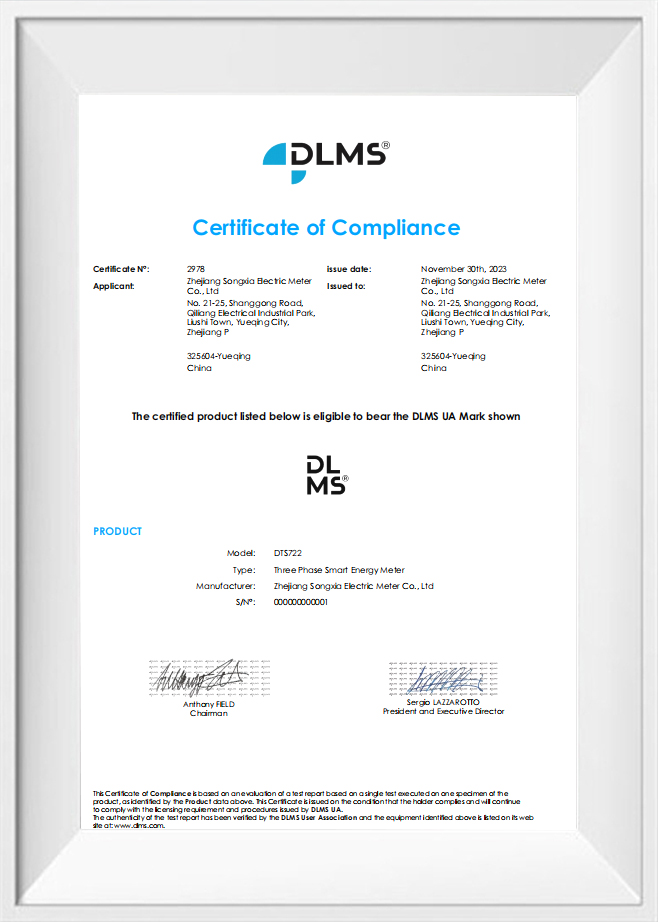
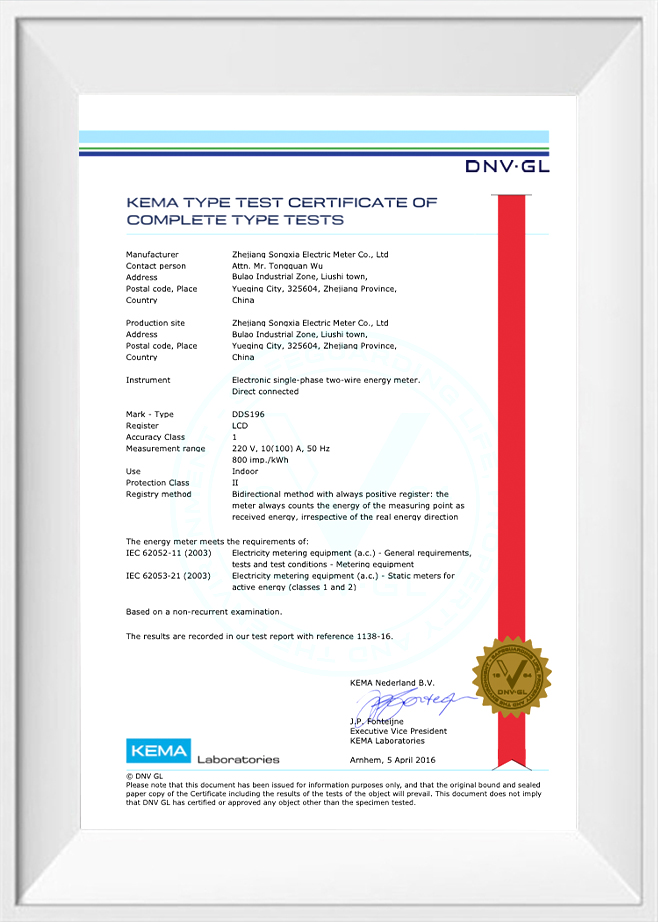
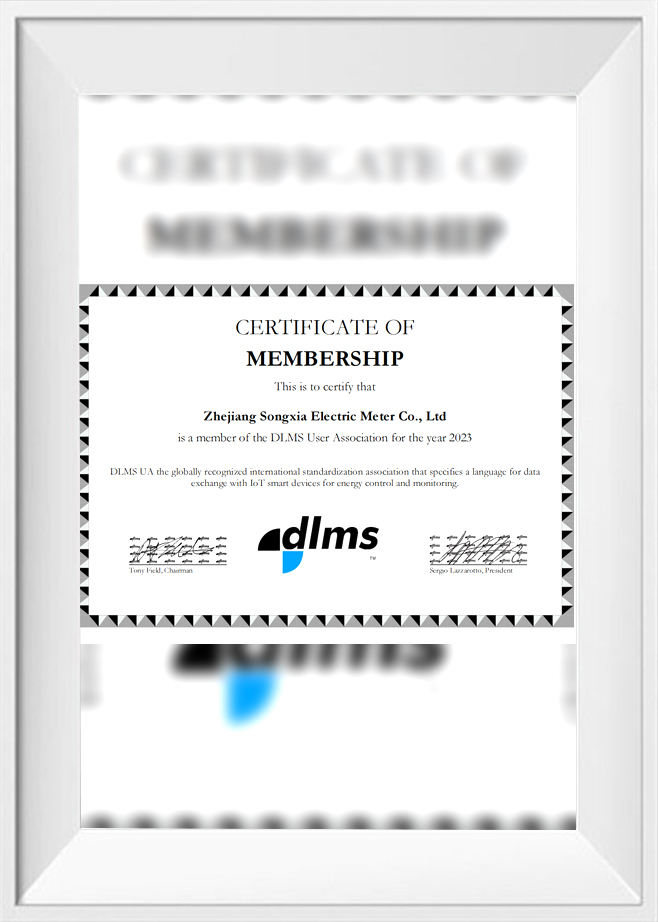
Founded in 1992, Zhejiang Soocia Electric Meter Co., Ltd. is a dedicated specialist in electricity metering with over 30 years of experience. As a Custom Smart Energy Meter and Design Smart Energy Meter factory, we are mainly engaged in Smart Energy Meter Manufacturing.
Over the years, Soocia has established a long-term strategic partnership with State Grid Corporation of China, positioning itself as a core supplier. Building on this domestic success, the company has also expanded into international markets across Southeast Asia, Europe, and Africa, earning a strong reputation among customers worldwide.
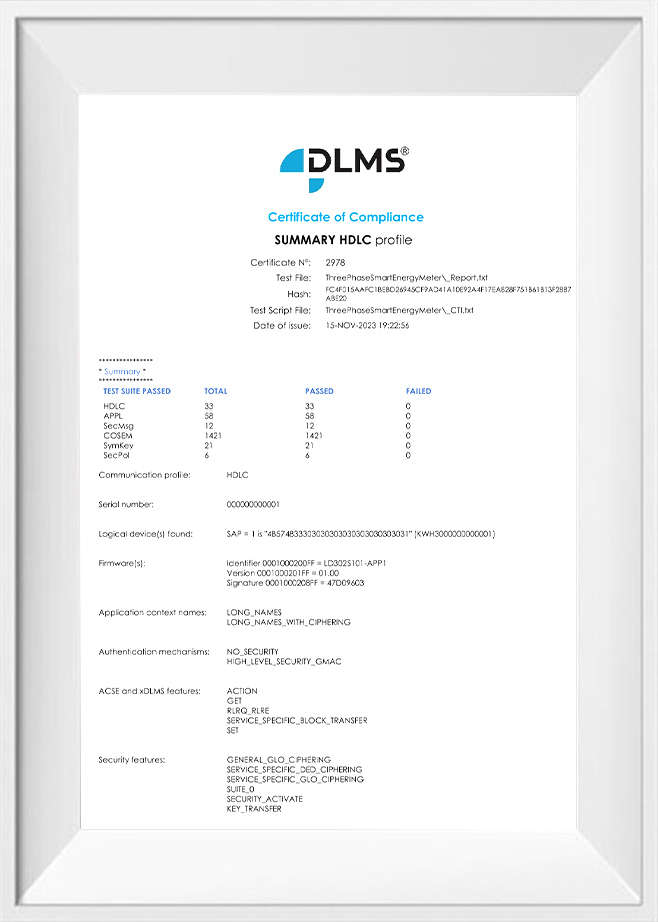
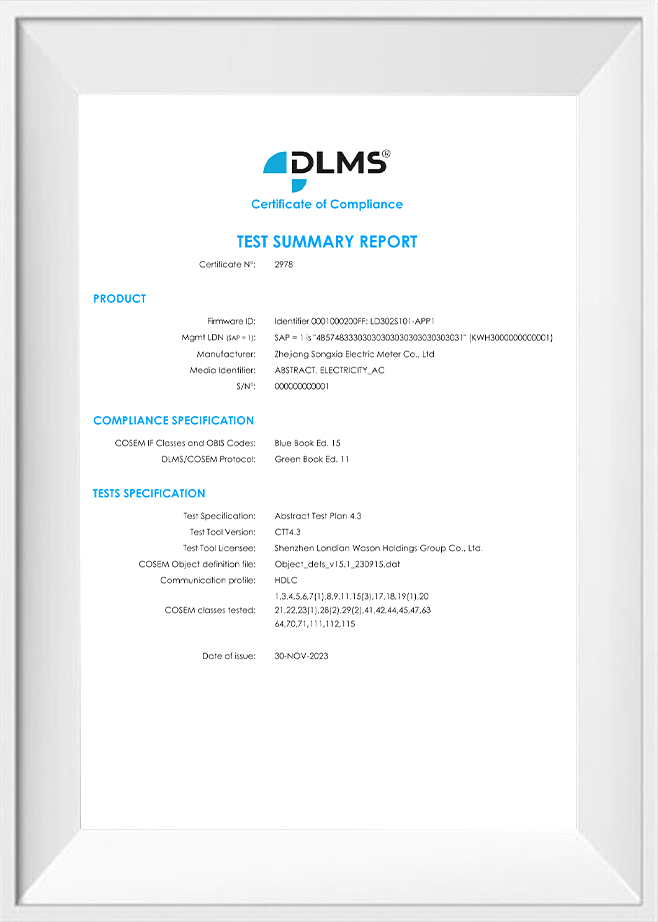
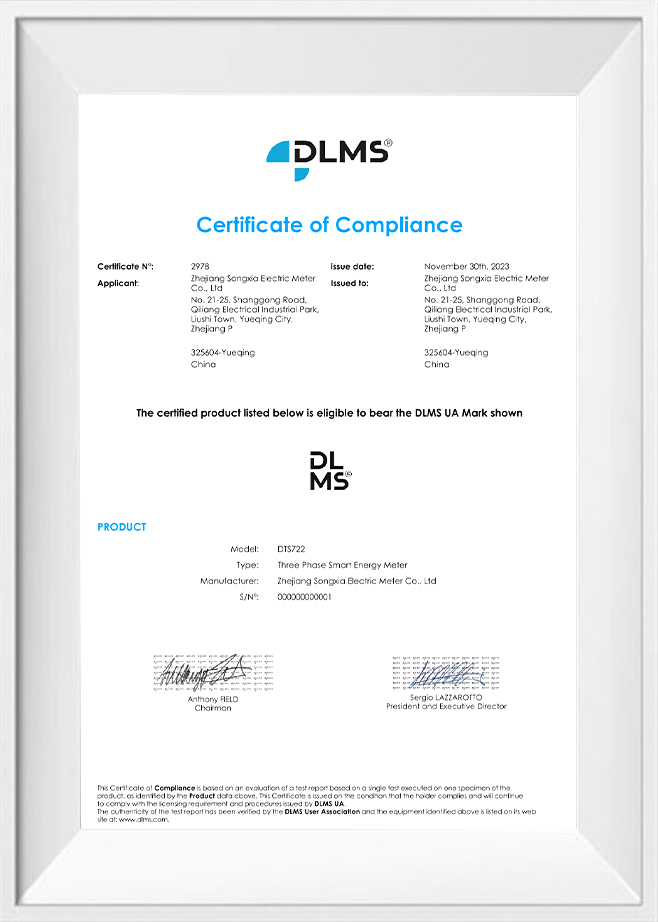
Take step and get in touch with us today.
STS (Standard Transfer Specification) is the world's only open international standard specifically designed for prepaid electricity metering systems. Developed by the international STS Association, it has been adopted by the IEC as part of the IEC 62055 series of standards. It defines the mechanisms for the generation, transmission, and validation of "Tokens" within prepaid systems, thereby ensuring interoperability and data security across devices from different manufacturers. Understanding the STS standard helps utility companies select prepaid solutions that offer high compatibility and robust security, avoiding vendor lock-in.
An STS smart meter is an electronic energy meter capable of receiving and decoding encrypted tokens; it is widely deployed in prepaid scenarios for residential, commercial, and industrial users. Its operational principle is based on a "pay-before-use" model: users top up their credit by manually entering a 20-digit digital token. Upon decryption by the meter's internal security module, the available electricity credit (or monetary balance) is automatically updated. Compared to traditional mechanical meters or proprietary closed-system prepaid meters, STS meters offer advanced features such as tamper resistance, remote upgrade capabilities, and multi-tariff support, making them the foundational equipment for establishing a fair, transparent, and efficient electricity billing management system.
The STS system employs high-strength encryption algorithms (such as AES-128 or TDEA) to generate one-time-use tokens. Each token contains specific transaction data—including the purchase amount, a timestamp, and a serial number—to prevent replay attacks and counterfeiting. Tokens can be delivered to users via various methods—including manual keypad entry, SMS delivery, IC card reading, or mobile app push notifications—allowing the system to adapt to the diverse communication infrastructure conditions found in different regions. This mechanism enables reliable transactions without the need for a real-time network connection, making it particularly suitable for areas with unstable grid coverage or high communication costs, while simultaneously safeguarding user privacy and financial security.
The industry is currently undergoing a comprehensive transition from STS Version 1 (V1) to Version 2 (V2). While V1 utilized TDEA encryption, it faced limitations regarding key lifecycle management. In contrast, V2 mandates the use of the AES-128 algorithm, significantly enhancing key update capabilities, mitigating the risk of counter overflow, and supporting more complex business logic (such as dynamic pricing and emergency credit facilities). Major markets—including South Africa and India—have already issued clear mandates requiring that all new projects adhere to the V2 standard. Enterprises must prioritize certification compliance, ensuring their products meet the latest requirements of IEC 62055-41 Ed. 2 in order to maintain market competitiveness.
Whether in developing nations or emerging market economies, STS smart meters are of critical importance to a wide range of stakeholders:
As the de facto standard in the global prepaid metering sector, STS smart meters play an indispensable role in developing nations and specific niche markets, distinguished by their interoperability, security, and flexible top-up options. With the comprehensive rollout of STS Edition 2 standards and their deep integration with AMI technologies, STS smart meters will continue to play a pivotal role in building efficient, secure, and sustainable smart energy infrastructure. For industry participants targeting international markets, a thorough understanding of the STS standard ecosystem—and the trajectory of its evolution—has become a fundamental prerequisite for seizing market opportunities.

With over 30 years of experience in electricity metering, we specialize in the design, manufacturing, and supply of energy meters. Our product portfolio covers multiple series, including mechanical, electronic, and smart meters.
Contact Us
+86-577-62711702
Zhejiang Soocia Electric Meter Co., Ltd.:
No.21-23 Shanggong Road, Shangwu Industrial Zone, Liushi Town, Yueqing City, Zhejiang Province, China
Huaxia Power Transmission And Distribution Equipment Co., Ltd.:
No. 222 Weisan Road, Yueqing Economic Development Zone, Yueqing City, Zhejiang Province, China

Smart Energy Meter Manufacturers