中文简体
中文简体
 English
 русский

Quick Product Search
Contact us to learn how we can use our expertise to bring you high-quality products.
2026-10-09
The STS prepaid meter factory sector is becoming a notable part of the smart energy metering supply chain as utilities and energy service providers explore practical ways to improve electricity management. With prepaid metering systems being used in different markets, manufacturers are focusing on meter compatibility, data communication, payment management, and reliable field operation.
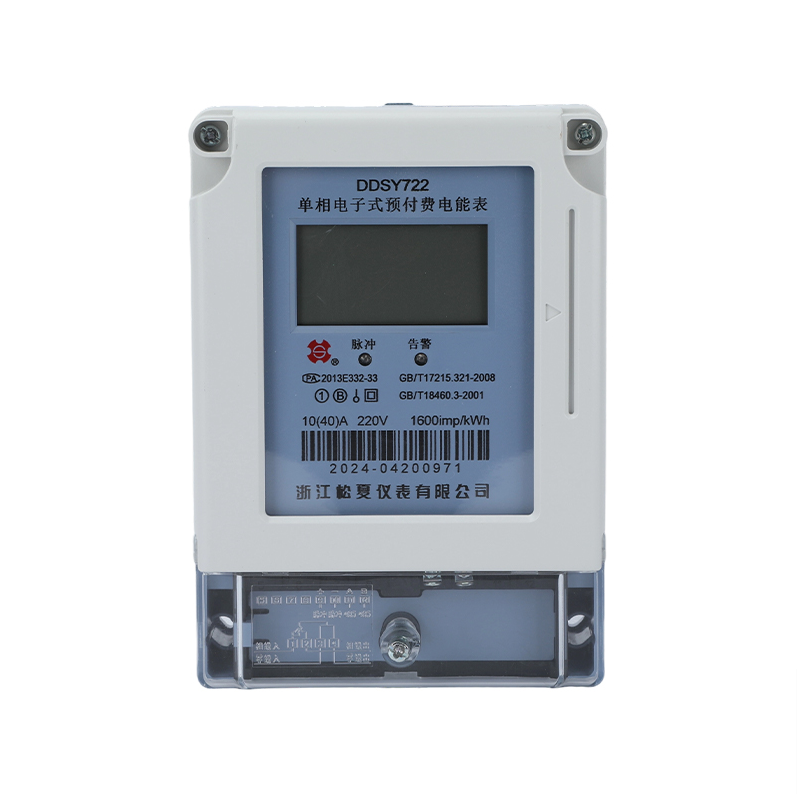
Prepaid electricity meters allow users to purchase electricity credit before consumption, providing a structured approach to energy use and payment collection. Compared with conventional billing models, prepaid systems can support more transparent consumption management and help utilities organize revenue collection.
The development of prepaid metering is being influenced by several factors:
These factors are encouraging manufacturers to improve both meter hardware and supporting software platforms.
A modern STS prepaid meter factory typically pays attention to communication stability, measurement accuracy, user interfaces, and security functions during product development. Standard Transfer Specification (STS) technology also provides a framework for managing prepaid electricity tokens across compatible metering systems.
Manufacturing processes may include component testing, meter assembly, software configuration, calibration, and finished-product inspection. These stages help manufacturers maintain consistent product specifications for different market requirements.
Security is an important consideration in prepaid electricity systems because token information is directly related to electricity credit. Meter manufacturers therefore need to consider secure token processing, access control, and communication protection when developing products.
A practical prepaid metering solution may combine:
These functions can help create a more manageable operating environment for utilities and end users.
Supporting Different Energy Markets
Electricity markets can differ in regulations, payment practices, infrastructure, and consumer needs. For this reason, manufacturers are developing prepaid meters with configurable specifications that can adapt to different deployment conditions.
Some projects may require basic prepaid functionality, while others may integrate smart communication, remote monitoring, or centralized management platforms. This flexibility allows the same general metering concept to support different stages of digital energy development.
For an STS prepaid meter factory, production quality involves more than the final appearance of the meter. Electrical performance, software configuration, component consistency, and testing procedures can all influence field performance.
Manufacturers are also paying attention to production traceability and quality inspection. By combining standardized production processes with product testing, factories can provide meters that are prepared for utility deployment and long-term operational management.
As smart energy infrastructure continues to develop, prepaid electricity meters are expected to remain part of the broader digital metering ecosystem. Integration with communication networks, customer management platforms, and digital payment services may provide additional options for utilities and consumers.
The role of an STS prepaid meter factory is therefore expanding from meter production toward integrated technology development. Continued attention to interoperability, security, manufacturing quality, and user experience will shape how prepaid metering solutions are adopted across different electricity markets.
Recommended Products

With over 30 years of experience in electricity metering, we specialize in the design, manufacturing, and supply of energy meters. Our product portfolio covers multiple series, including mechanical, electronic, and smart meters.
Contact Us
+86-577-62711702
Zhejiang Soocia Electric Meter Co., Ltd.:
No.21-23 Shanggong Road, Shangwu Industrial Zone, Liushi Town, Yueqing City, Zhejiang Province, China
Huaxia Power Transmission And Distribution Equipment Co., Ltd.:
No. 222 Weisan Road, Yueqing Economic Development Zone, Yueqing City, Zhejiang Province, China

Industrial & Commercial Power Systems