中文简体
中文简体
 English
 русский

Quick Product Search
Contact us to learn how we can use our expertise to bring you high-quality products.
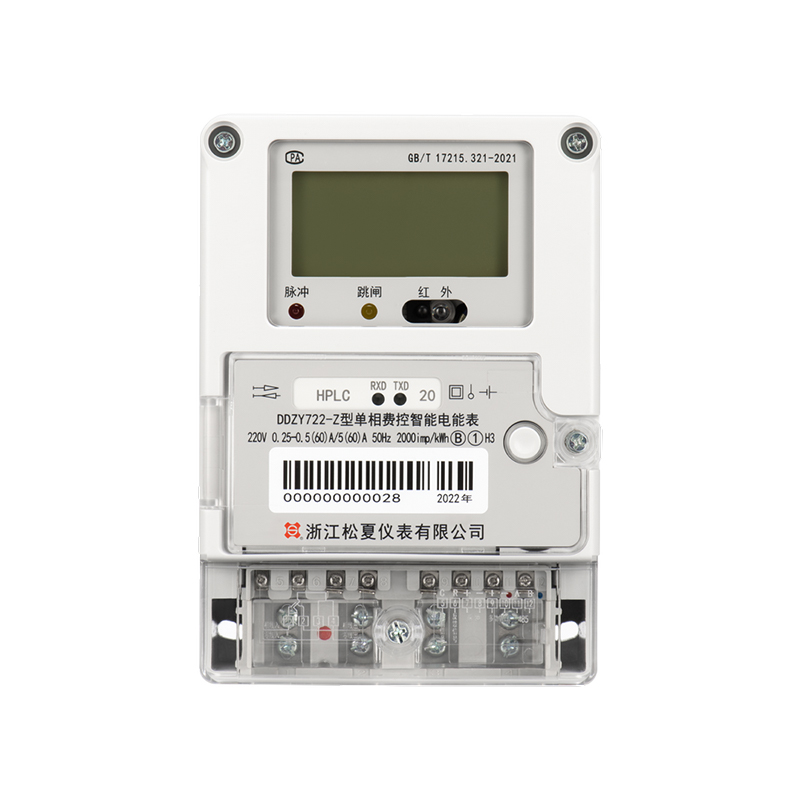
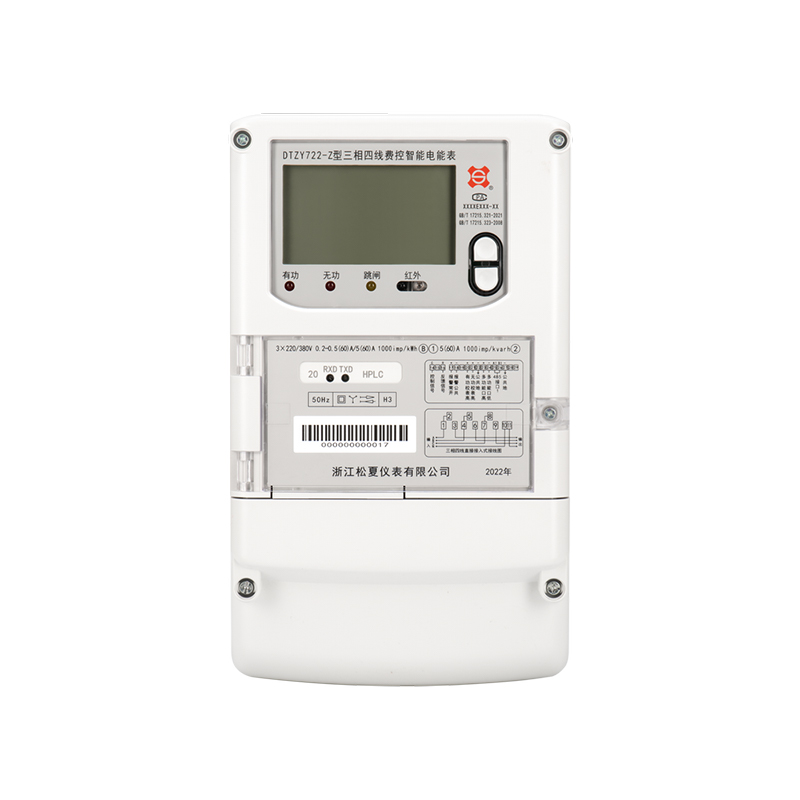
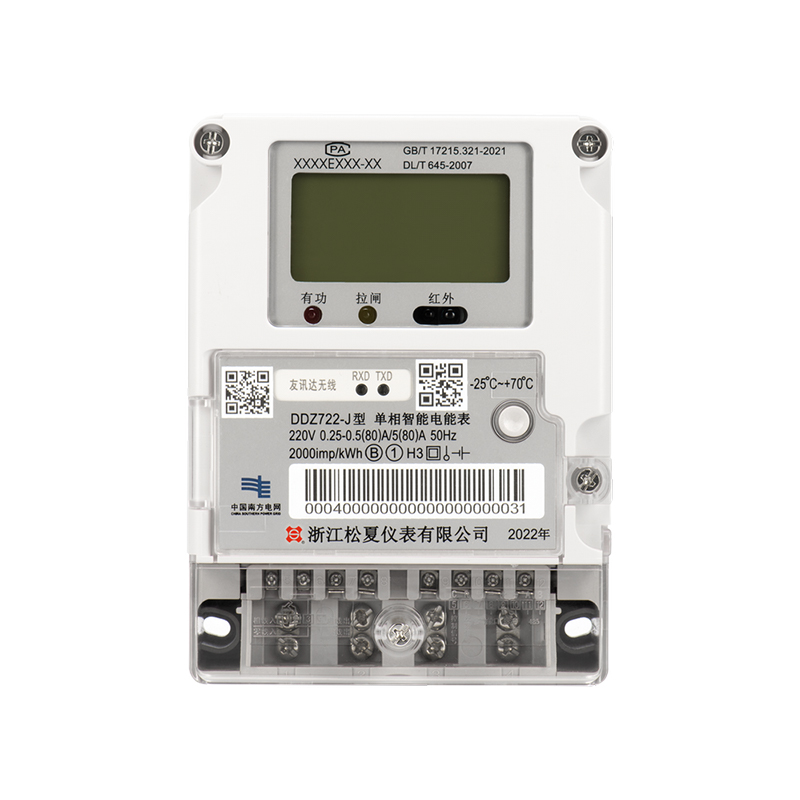
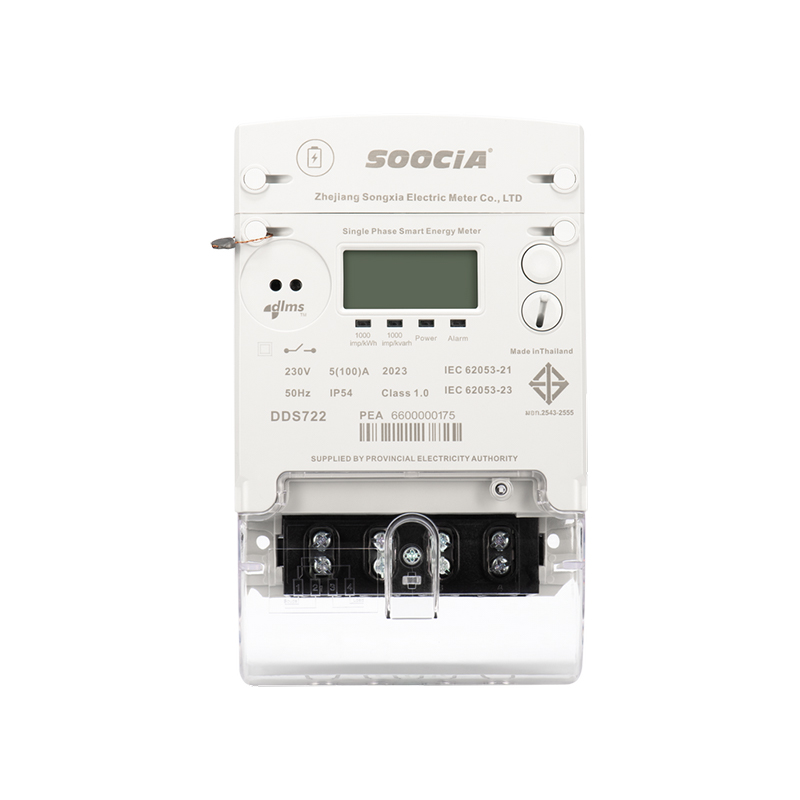
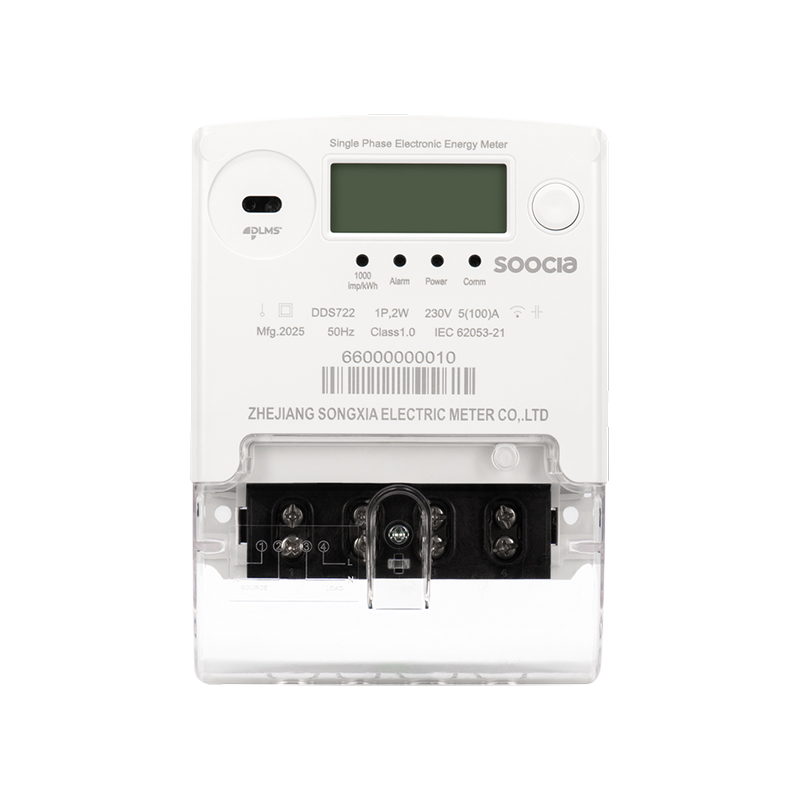
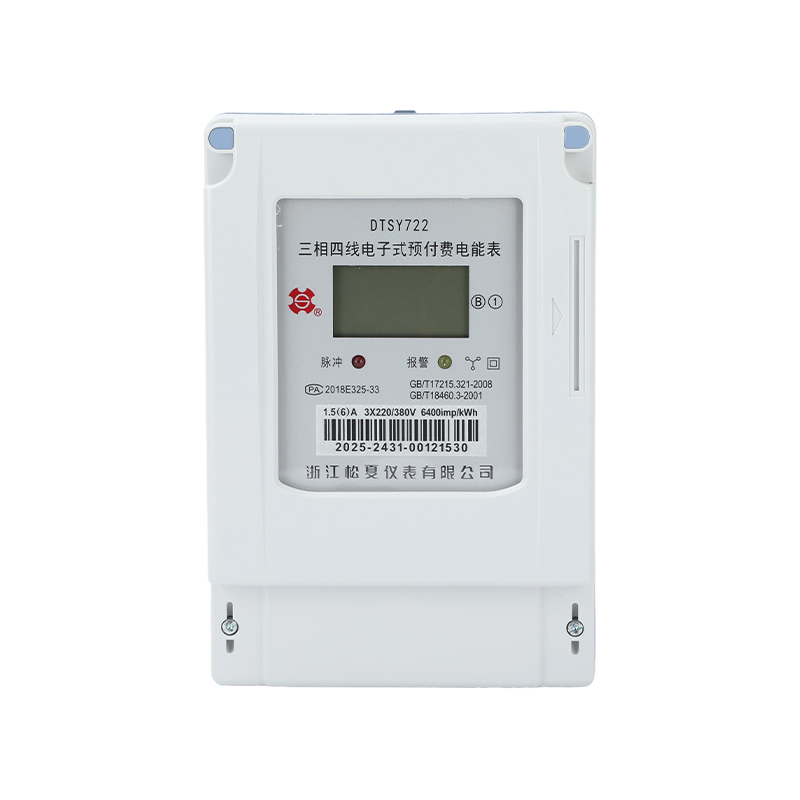
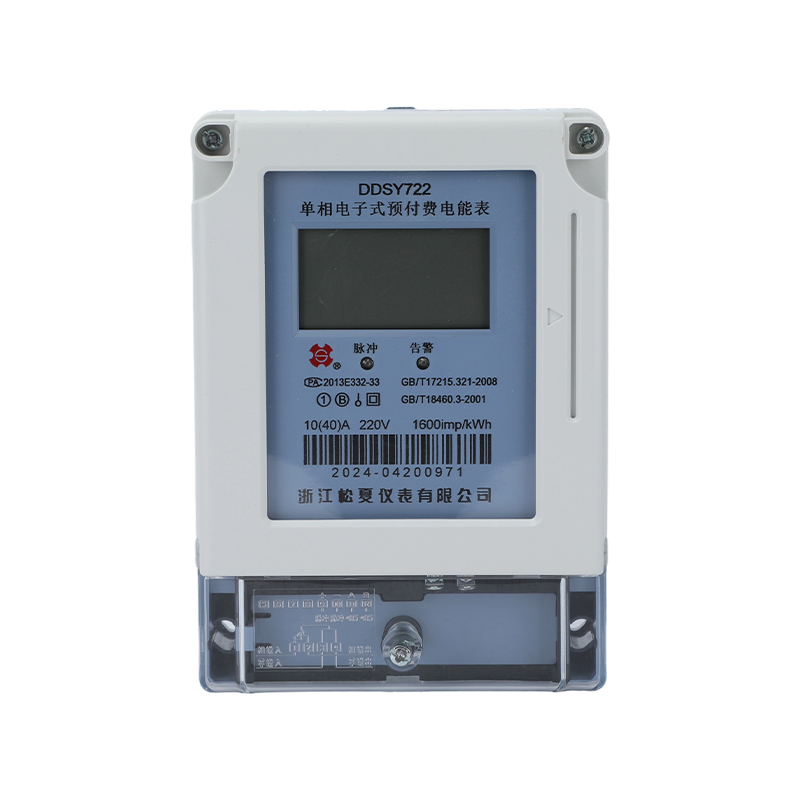
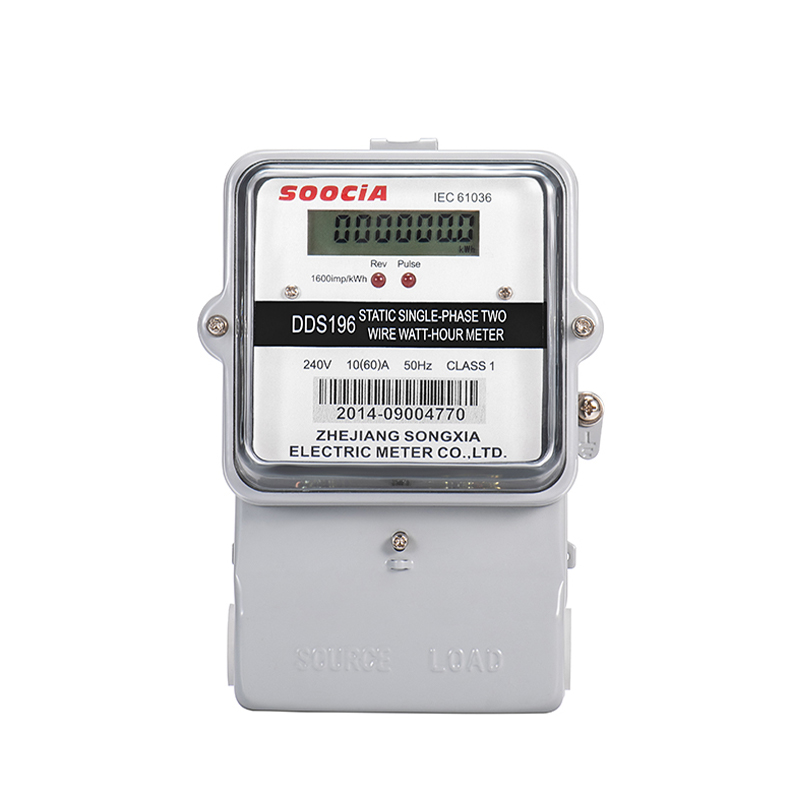
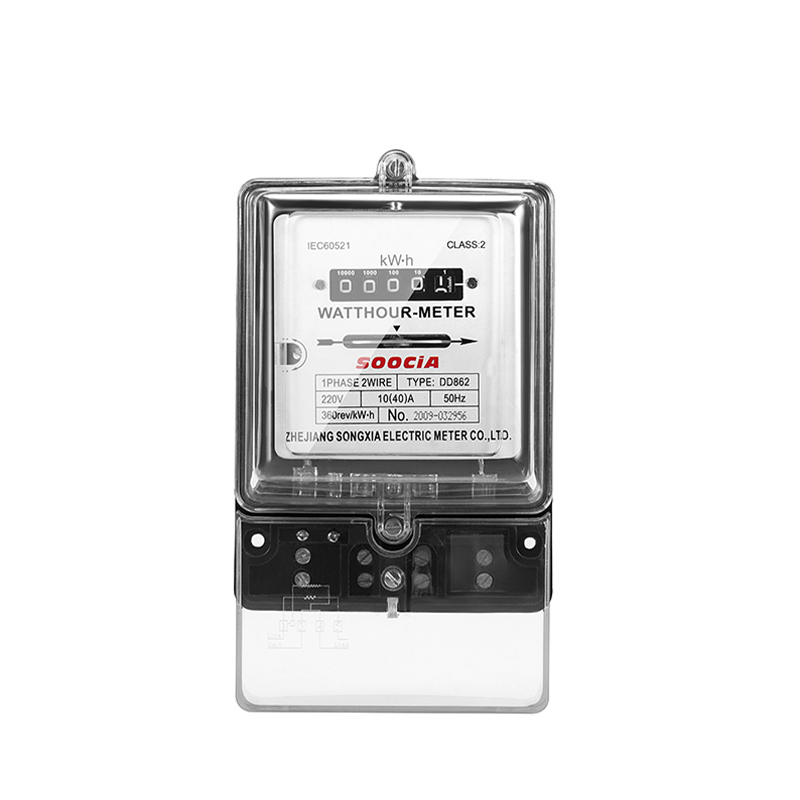
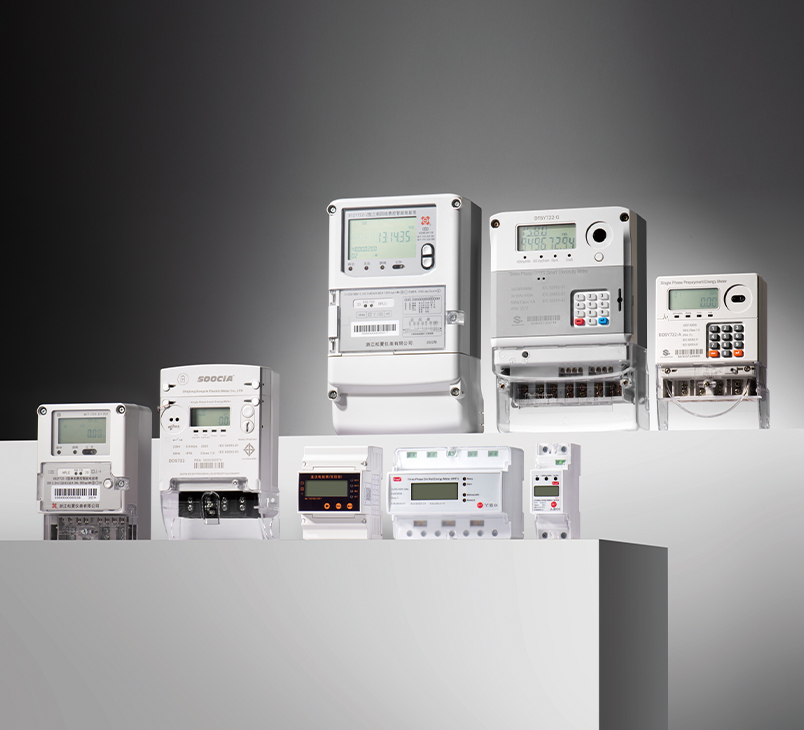
SOOCIA’s electricity meters are widely used across all stages of power generation, transmission, and consumption. We deeply understand the critical importance of accuracy, reliability, and compliance in energy metering. From intelligent meters tailored for residential users, compatible with advanced metering infrastructure (AMI) and smart grids, to high-performance solutions customized for commercial and industrial users, our electricity meters meet the diverse needs of various applications. Each meter is meticulously designed to ensure precise data, stable operation, and cost-effectiveness, providing customers with a reliable and efficient choice. This commitment reflects our unwavering dedication to creating value for our clients.
Founded in 1992, Zhejiang Soocia Electric Meter Co., Ltd. is a dedicated specialist in electricity metering with over 30 years of experience. As a Custom Electric Energy Meter and Design Electric Energy Meter factory, we are mainly engaged in Electric Energy Meter Manufacturing.
Over the years, Soocia has established a long-term strategic partnership with State Grid Corporation of China, positioning itself as a core supplier. Building on this domestic success, the company has also expanded into international markets across Southeast Asia, Europe, and Africa, earning a strong reputation among customers worldwide.
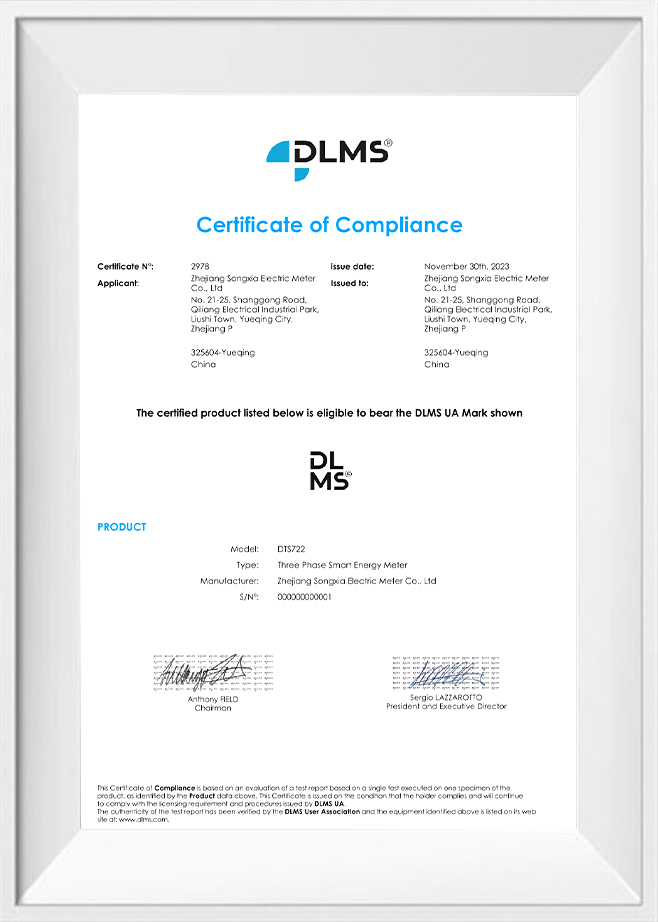
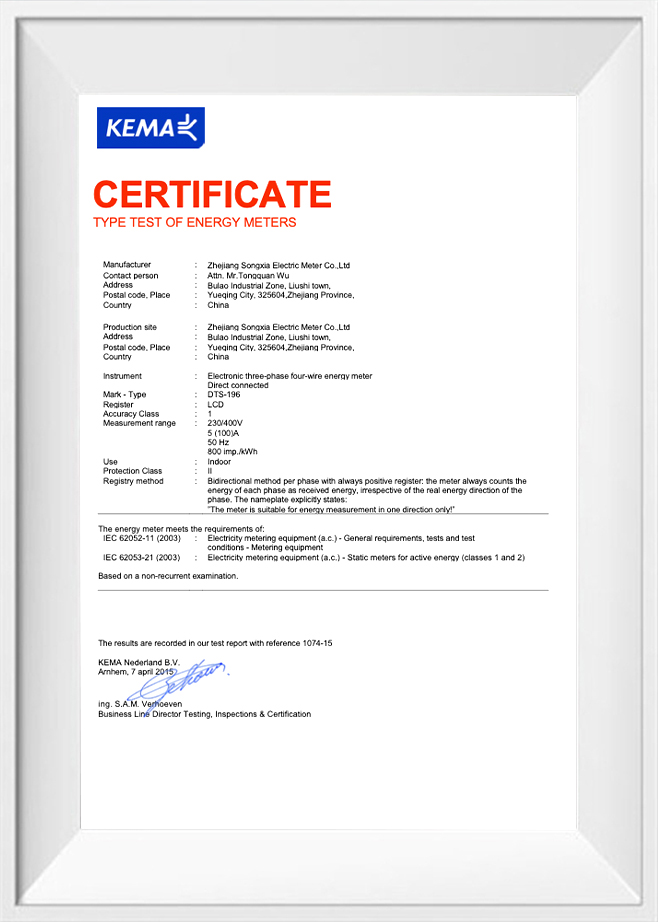
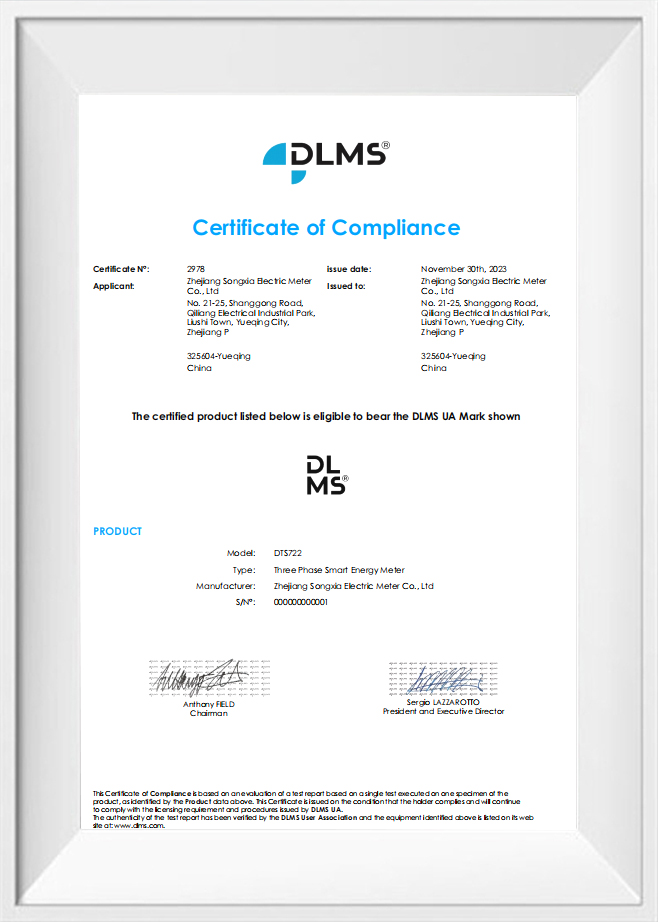
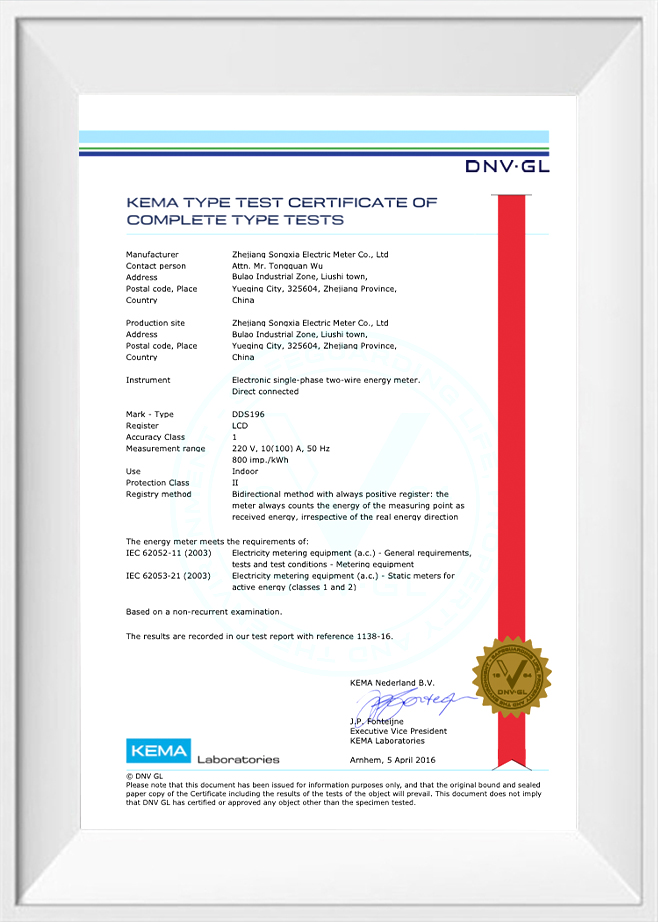
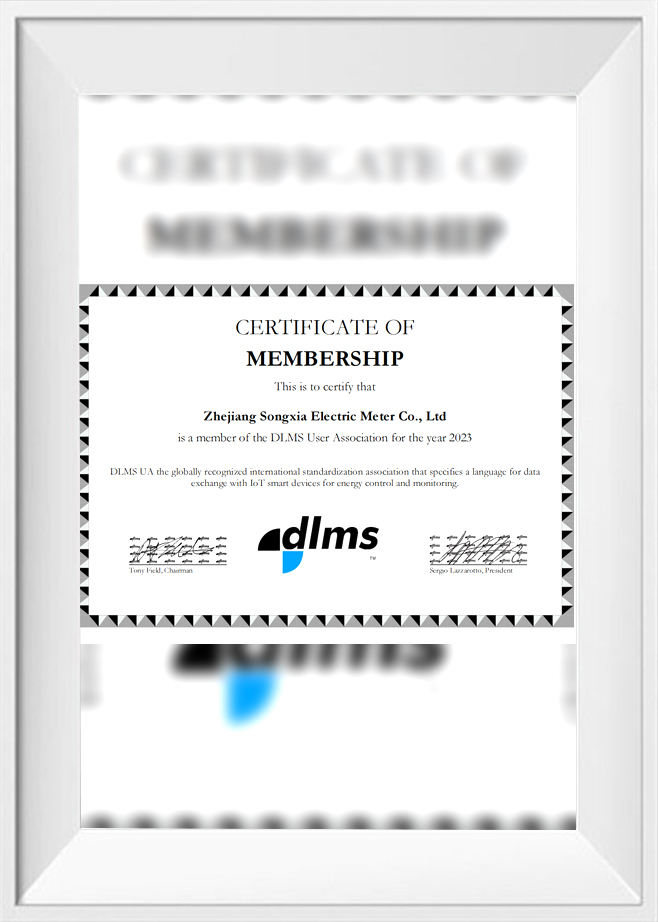
Take step and get in touch with us today.
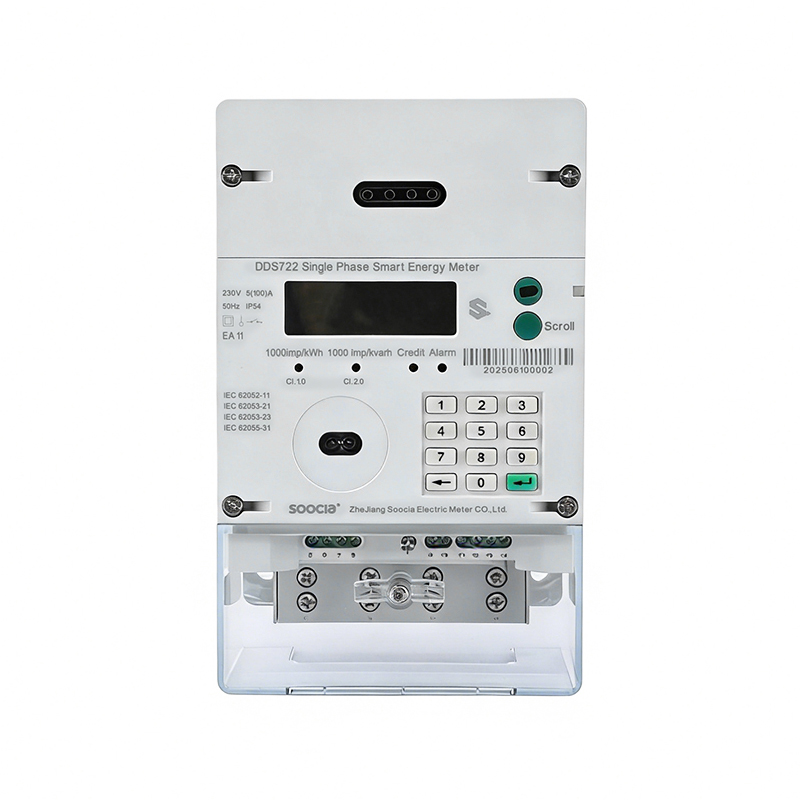
As global electricity markets undergo reform and prepayment models gain widespread popularity, user demand for flexibility, transparency, and control over electricity bill payments is steadily increasing. The STS (Standard Transfer Specification)—an internationally recognized communication protocol standard for prepayment electricity meters—ensures interoperability and data security across devices from different manufacturers. STS-compliant meters—smart prepayment meters that adhere to this standard—have emerged as critical infrastructure within modern power distribution systems, enabling efficient, secure, and scalable prepayment management. This article explores the functions and applications of STS-compliant meters, as well as their impact on energy management and user behavior.
An STS-compliant meter is a prepayment electricity meter designed in accordance with international standards such as IEC 62055-41/51. It supports a range of functions, including credit top-ups via encrypted tokens, remote tariff updates, electricity consumption history logging, and tamper detection. Its core value lies in eliminating vendor lock-in, thereby enabling the creation of a unified management platform that spans multiple brands and geographic regions.
STS-compliant meters are not only suitable for residential users but are also widely deployed in commercial buildings, industrial parks, microgrids in remote areas, and rural electrification projects in developing nations.
An STS-compliant meter serves not merely as a metering tool, but as a data hub connecting the user with the grid operator. It underpins modern power system functionalities such as dynamic pricing, demand response, and the integration of distributed energy resources.
The STS standard consistently maintains its technological leadership. The latest version—STS Edition 2—introduces more advanced encryption algorithms, smart metering features, and two-way communication capabilities to support modern smart metering technologies, all while maintaining full backward compatibility with existing systems. This edition has undergone further integration with the DLMS/COSEM protocol and has been re-approved by the IEC, thereby reinforcing its global standing in the field of smart prepayment systems. Recent security audits have validated the comprehensive adoption of the EA11 (128-bit) encryption algorithm, ensuring the system remains capable of meeting long-term deployment requirements for the next 30 years and beyond.

With over 30 years of experience in electricity metering, we specialize in the design, manufacturing, and supply of energy meters. Our product portfolio covers multiple series, including mechanical, electronic, and smart meters.
Contact Us
+86-577-62711702
Zhejiang Soocia Electric Meter Co., Ltd.:
No.21-23 Shanggong Road, Shangwu Industrial Zone, Liushi Town, Yueqing City, Zhejiang Province, China
Huaxia Power Transmission And Distribution Equipment Co., Ltd.:
No. 222 Weisan Road, Yueqing Economic Development Zone, Yueqing City, Zhejiang Province, China

Smart Pre-Payment Meter