中文简体
中文简体
 English
 русский

Quick Product Search
Contact us to learn how we can use our expertise to bring you high-quality products.
2026-10-16
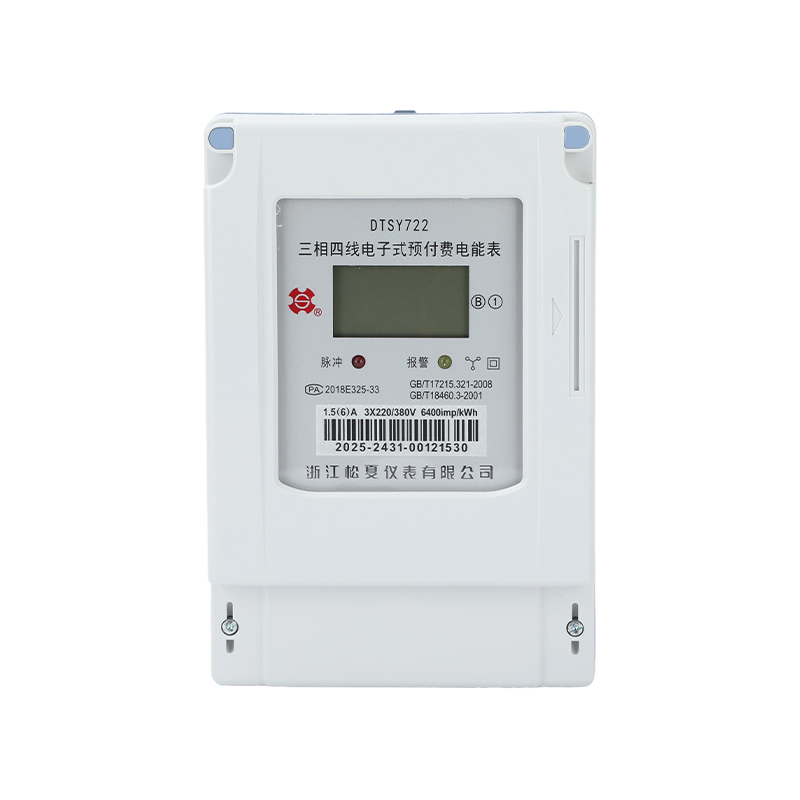
The STS smart meter factory sector is adapting to the growing demand for secure, reliable, and efficient electricity metering solutions. With the development of smart energy infrastructure, manufacturers are focusing on production consistency, communication capabilities, and standards compliance to support utility providers and energy management projects across different markets.
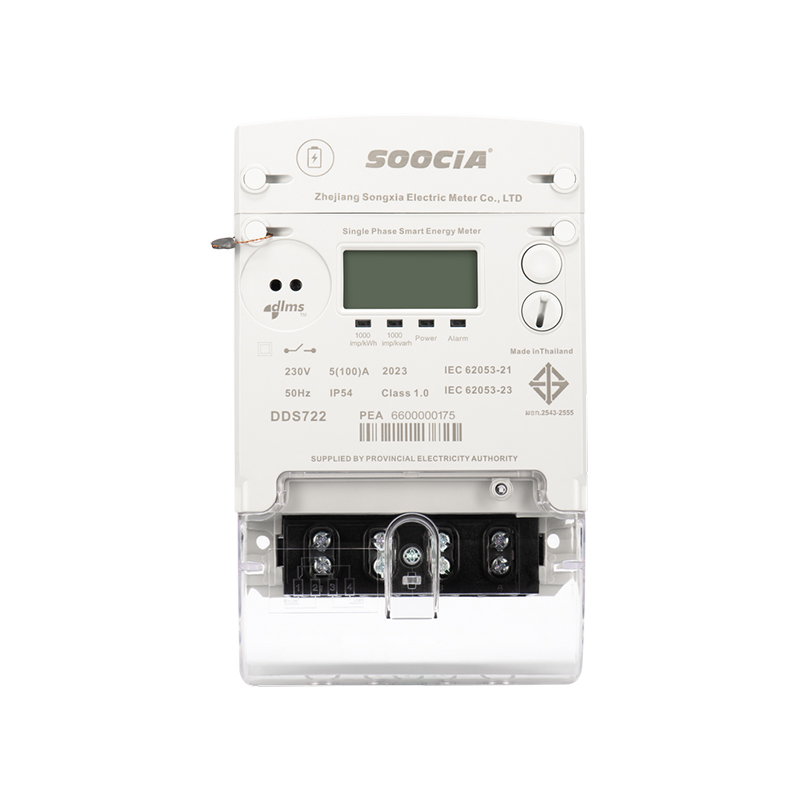
Smart meter manufacturing involves several coordinated processes, including electronic component assembly, meter calibration, functional testing, and final product inspection. Each stage contributes to the performance and reliability of the finished meter.
A structured production workflow helps manufacturers monitor product quality, identify potential defects, and maintain consistency across different production batches. Automated testing equipment and standardized inspection procedures can also support production efficiency and reduce manual errors.
Standard Transfer Specification (STS) is widely used in prepaid electricity metering systems. Compliance with applicable STS requirements helps ensure compatibility between supported meters and vending systems.
For an STS smart meter factory, important considerations include:
The integration of digital technologies is shaping the development of modern electricity meters. Depending on the product design and project requirements, smart meters may incorporate communication interfaces, remote data collection capabilities, and monitoring functions.
These features can help utility operators obtain consumption information, manage meter data, and improve the visibility of electricity usage. Manufacturers can also evaluate firmware functionality and communication performance during product development and testing.
Quality management remains an important part of smart meter production. A comprehensive inspection process may cover incoming components, assembly operations, electrical performance, and finished-product verification.
Key quality control activities include:
Prepaid electricity metering continues to serve residential, commercial, and utility applications in markets where consumption-based payment management is required. STS-compatible meters can support prepaid vending processes by allowing users to load electricity credit through supported token systems.
As market requirements evolve, manufacturers may focus on flexible product configurations, integration with vending platforms, and dependable technical support. These priorities can help address different installation environments and operational requirements.
The development of the STS smart meter factory reflects broader changes in electricity metering, including the adoption of digital technologies, improved quality management, and greater attention to security and interoperability.
Continued investment in production testing, technical development, and manufacturing process optimization can help support the evolving needs of utilities and energy service providers. By aligning product design with relevant standards and practical application requirements, manufacturers can contribute to the development of reliable prepaid electricity metering solutions.
Recommended Products

With over 30 years of experience in electricity metering, we specialize in the design, manufacturing, and supply of energy meters. Our product portfolio covers multiple series, including mechanical, electronic, and smart meters.
Contact Us
+86-577-62711702
Zhejiang Soocia Electric Meter Co., Ltd.:
No.21-23 Shanggong Road, Shangwu Industrial Zone, Liushi Town, Yueqing City, Zhejiang Province, China
Huaxia Power Transmission And Distribution Equipment Co., Ltd.:
No. 222 Weisan Road, Yueqing Economic Development Zone, Yueqing City, Zhejiang Province, China

Industrial & Commercial Power Systems