中文简体
中文简体
 English
 русский

Quick Product Search
Contact us to learn how we can use our expertise to bring you high-quality products.
Solutions
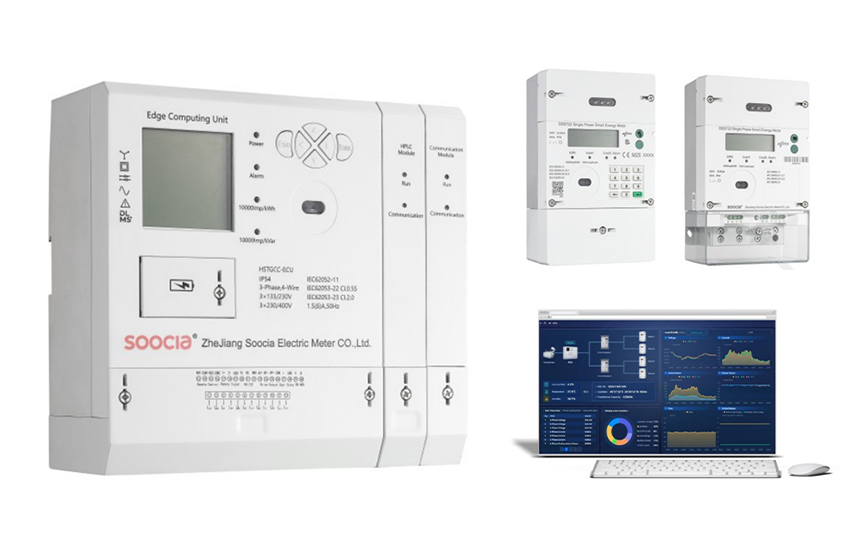
With the acceleration of digitalization and intelligent upgrading of distribution networks, traditional low-voltage metering and meter reading methods can no longer meet the needs of modern power distribution management, including energy-saving control, asset management, line loss management, and distributed energy access scenarios.
The AMI(Advanced Metering Infrastructure) solution, based on HPLCC (High Performance Power Line Carrier) technology uses power lines as communication channels to achieve wiring-free deployment and low-cost network coverage, bringing a new data acquisition and management experience to the low-voltage distribution side.
Solution Introduction
· Real-time energy consumption monitoring and remote meter reading
· Line loss monitoring,analysis,and segmented positioning(grasp the loss direction from the transformer branchterminal full link)
· Equipment status and fault diagnosis
· Support intelligent management of distributed energy and electricity usage
By collecting real-time data from the entire distribution area, the transparency of line loss from the measurement point to the transformer can be achieved, and abnormal points such as electricity theft, wiring errors, or line agbe quicklyequickly identified.
HPLC has strong anti-interference, high stability, and long-distance transmission capability, which can complex low-voltage or high-voltage distribution environments and ensure stable and reliable data links.
By relying on the centralized management and intelligent analysis of the AMl system, power companies can effectively improve operational efficiency, reduce operation and andmeter-readingg costs, achieve lean management of line losses, and support energy transformation goals such as renewable energy integration and demand side response.
Solution Advantages
| Feature/ Capability | AMI 1.0 Traditional | ECU Edge Computing (New) |
| Data Processing | Concentrated in the front-end system (HES); requires continuous backhaul | Decentralized: Processes critical data at the edge, reducing network load |
| Latency | Dependent on communication with the central system; slow response | Real-time on-site decision-making; instant event handling |
| Bandwidth Usage | High: Transmits raw or frequent data to the central system | Optimized: Only transmits processed or event-driven data |
| Reliability | Vulnerable to network outages; limited local autonomy | Maintains critical functions during network outages |
| Fault Detection | Analysis and detection via the central system; slow localization | Local fault analysis and isolation within seconds |
| Scalability | Expansion requires additional central resources | Easy scalability via adding edge devices |
| Cost Efficiency | Higher operational costs due to data transmission and central processing | Lower operational costs through local processing and reduced data traffic |
| Environmental Monitoring | Typically standalone systems | Integrated with ECUs for real-time monitoring and analysis |
Recommended Products

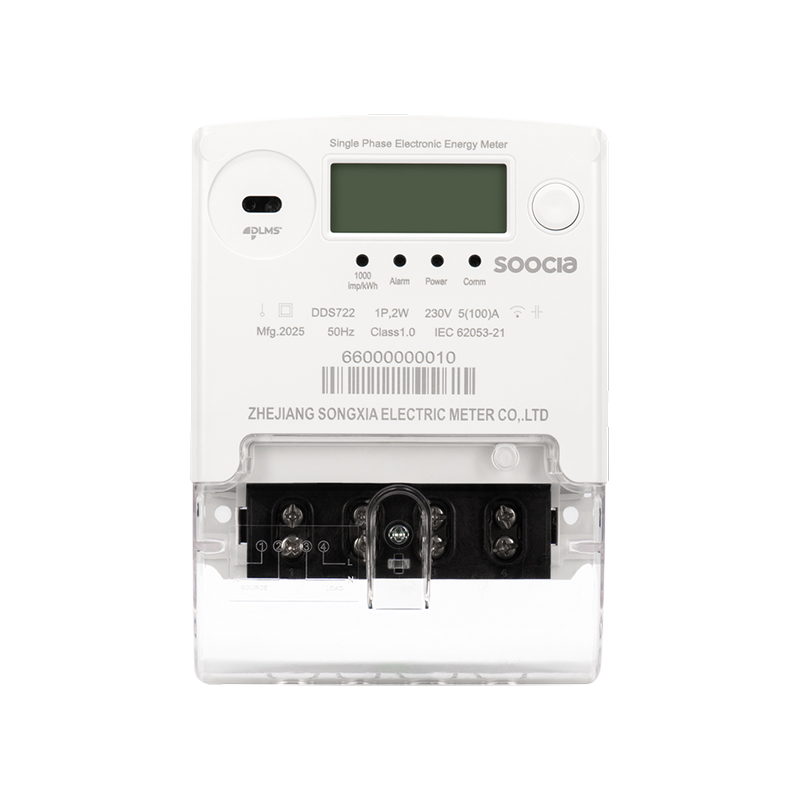
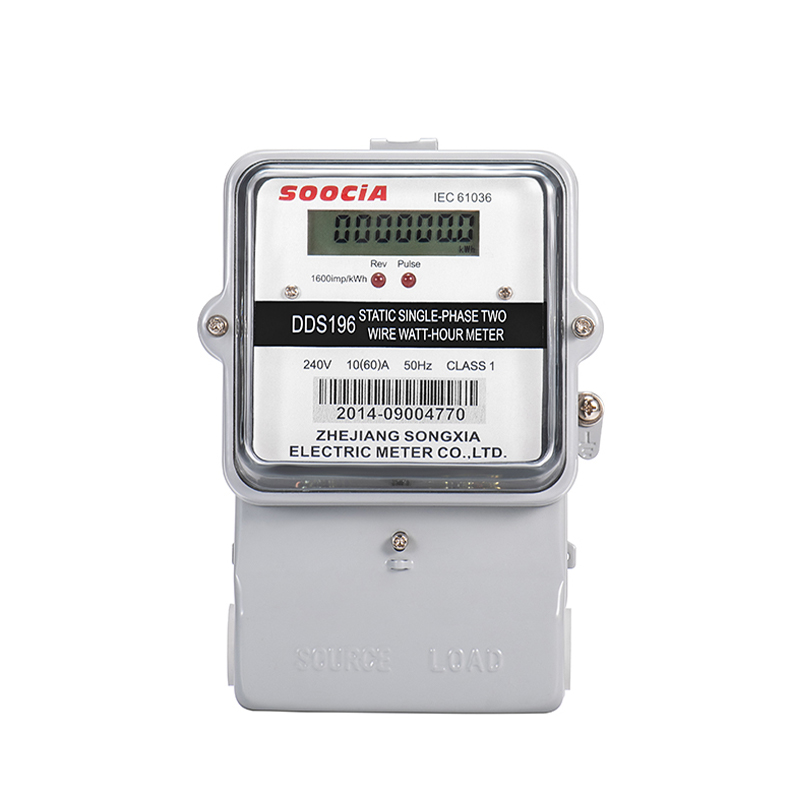
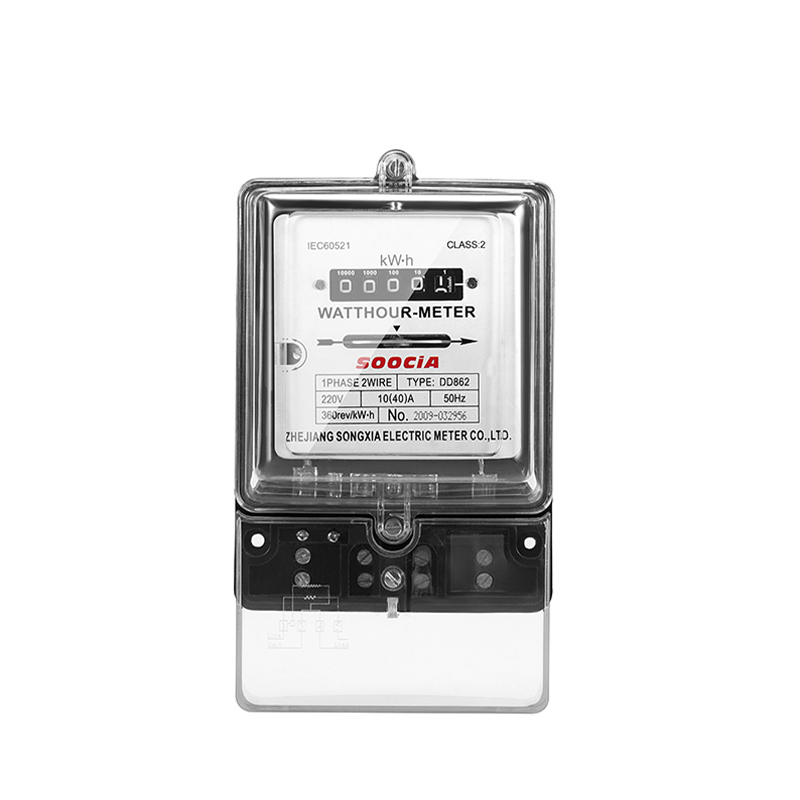
With over 30 years of experience in electricity metering, we specialize in the design, manufacturing, and supply of energy meters. Our product portfolio covers multiple series, including mechanical, electronic, and smart meters.
Contact Us
+86-577-62711702
Zhejiang Soocia Electric Meter Co., Ltd.:
No.21-23 Shanggong Road, Shangwu Industrial Zone, Liushi Town, Yueqing City, Zhejiang Province, China
Huaxia Power Transmission And Distribution Equipment Co., Ltd.:
No. 222 Weisan Road, Yueqing Economic Development Zone, Yueqing City, Zhejiang Province, China

Industrial & Commercial Power Systems