中文简体
中文简体
 English
 русский

Quick Product Search
Contact us to learn how we can use our expertise to bring you high-quality products.
2026-05-15
Electricity infrastructure is gradually shifting toward more flexible billing models, and in many systems, the STS-compliant meter is used to support prepaid electricity applications in housing and utility environments. This approach is gaining attention as operators look for simpler billing processes and improved control over energy distribution.
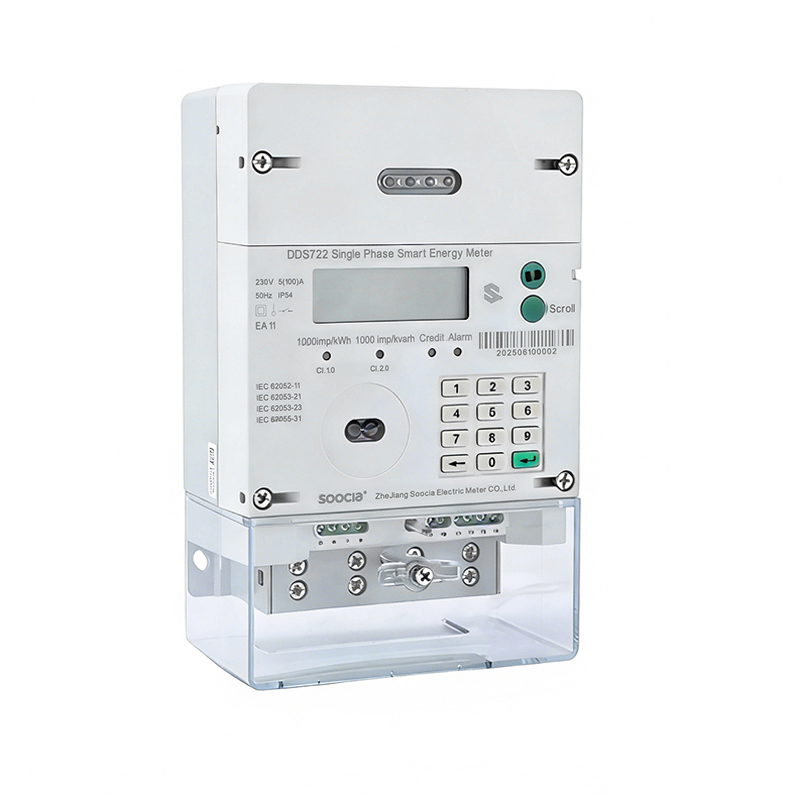
Prepaid Electricity in Utility Operations
Utility providers are increasingly adopting prepaid systems where electricity is purchased in advance rather than billed monthly. Users receive a token after payment and enter it into the meter to load electricity credit.
The STS-compliant meter supports this process through standardized token-based communication. It allows electricity credits to be securely transferred and verified by the meter system.
This structure reduces reliance on manual billing tasks and helps utilities manage payments in a more organized way. It also allows users to monitor their electricity balance directly on the meter, improving transparency in daily usage.
Residential Housing Use Cases
Prepaid electricity is widely used in apartment buildings, rental housing, and shared residential spaces. Each unit can manage its own electricity account independently, which reduces the complexity of shared billing arrangements.
Residents can recharge electricity based on their personal consumption needs. This gives them more direct control over energy usage and helps avoid disputes related to shared utility costs.
Property managers also benefit from simplified administration since electricity costs are handled through prepaid credits rather than monthly invoicing.
Digital recharge options are often included, allowing users to purchase electricity credits through mobile payments or online platforms.
Commercial and Public Applications
In commercial environments such as office buildings, retail spaces, and student accommodations, prepaid systems help organize electricity usage across multiple tenants or units.
Each tenant can manage their own consumption, which reduces the need for centralized billing adjustments. This structure is also useful in temporary facilities where electricity usage patterns may change frequently.
Public infrastructure and community housing projects also use prepaid systems to support structured electricity distribution. In some rural electrification projects, prepaid metering helps simplify electricity access where traditional billing systems are difficult to maintain.
Split Meter Configuration
Many STS-based systems use split meter designs, where the user interface and main meter are installed separately. The display or keypad unit is placed inside the property, while the main meter remains in a secure external location.
This arrangement reduces direct access to the main metering unit and improves installation flexibility in multi-tenant buildings. It is commonly used in apartment complexes and shared housing environments.
Additional protective functions may be included to monitor wiring conditions and detect unauthorized access attempts.
Security and Anti-Tamper Functions
Security plays a key role in prepaid electricity systems. The STS-compliant meter uses encrypted tokens to ensure that only valid electricity credits are accepted.
Common security features include:
These functions help reduce unauthorized manipulation and improve system stability. Event logs also assist in identifying irregular activity during maintenance checks.
Digital Communication and Remote Access
Modern prepaid systems increasingly include communication features that support remote monitoring. Technologies such as RF modules, GPRS connectivity, and IoT systems allow utility operators to access meter data without physical inspection.
Remote recharge functions are also becoming more common. Users can purchase electricity credits through mobile applications, SMS services, or online payment systems.
This reduces the need for physical vending stations and improves convenience for end users.
Development Direction
Prepaid electricity systems continue to develop alongside digital infrastructure. More housing and utility projects are integrating remote monitoring and digital payment tools into energy management systems.
The STS-compliant meter remains an important part of these applications by supporting secure token-based electricity transactions and flexible prepaid energy control in residential and commercial environments.
Recommended Products

With over 30 years of experience in electricity metering, we specialize in the design, manufacturing, and supply of energy meters. Our product portfolio covers multiple series, including mechanical, electronic, and smart meters.
Contact Us
+86-577-62711702
Zhejiang Soocia Electric Meter Co., Ltd.:
No.21-23 Shanggong Road, Shangwu Industrial Zone, Liushi Town, Yueqing City, Zhejiang Province, China
Huaxia Power Transmission And Distribution Equipment Co., Ltd.:
No. 222 Weisan Road, Yueqing Economic Development Zone, Yueqing City, Zhejiang Province, China

Industrial & Commercial Power Systems