中文简体
中文简体
 English
 русский

Quick Product Search
Contact us to learn how we can use our expertise to bring you high-quality products.
2026-05-22
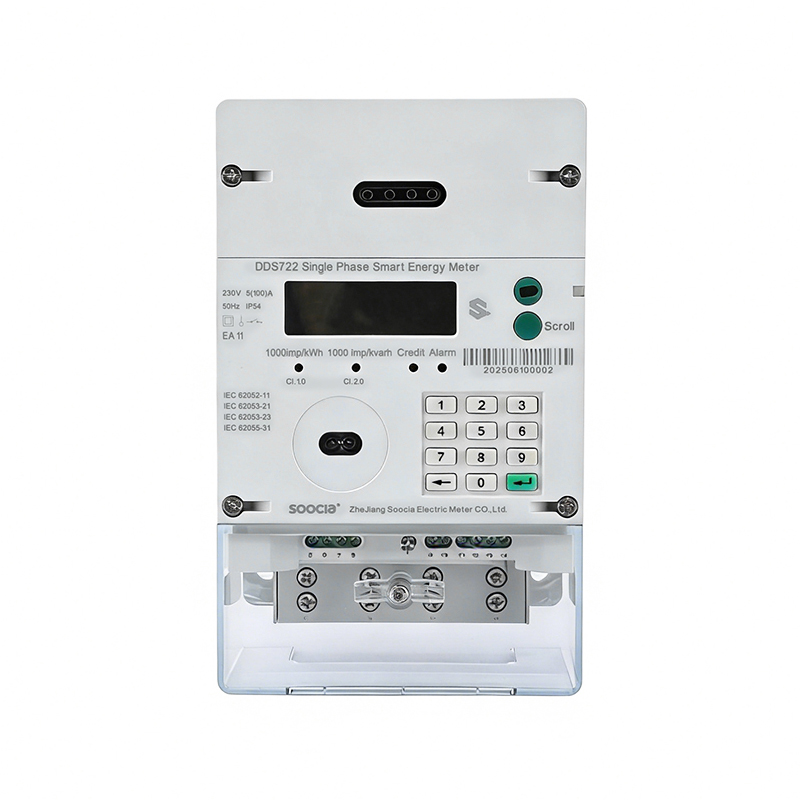
Electricity systems are gradually shifting toward prepaid and digitally connected models, especially in residential and light commercial environments. In many of these systems, the STS-compliant meter is used to support secure electricity management, remote recharge functions, and improved protection against unauthorized access. This combination of functions is helping simplify energy distribution while improving operational control for utilities and property operators.
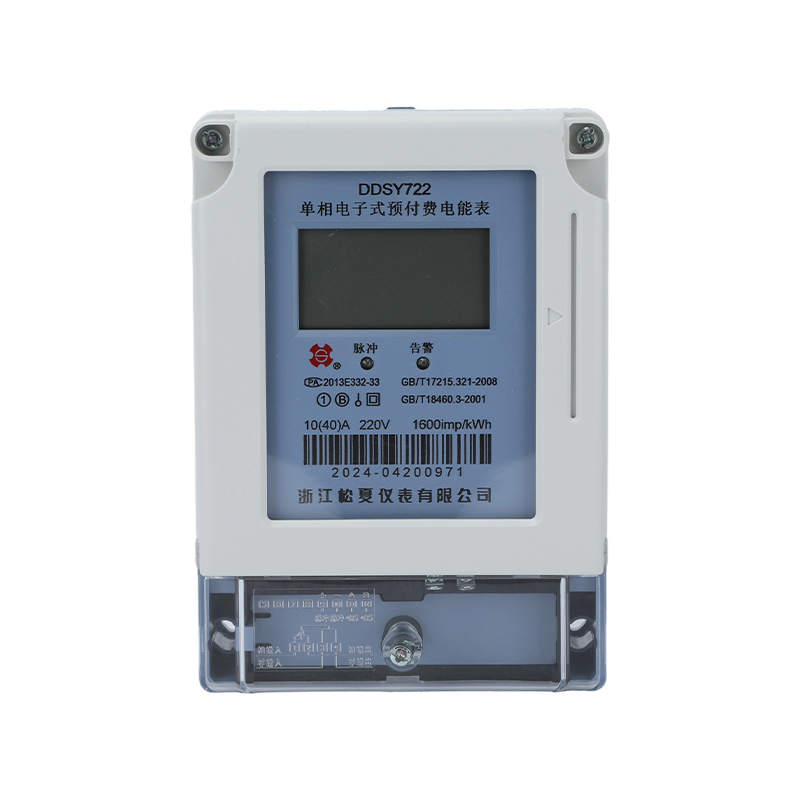
Remote recharge functions are becoming an important part of modern prepaid electricity usage. Instead of visiting physical vending stations, users can purchase electricity credits through mobile platforms or online payment systems.
After payment, a token is generated and sent to the user through digital channels such as apps or SMS. The user then enters the token into the meter to update the electricity balance.
This method improves convenience for users and reduces the need for physical service points. It is especially useful in residential areas where access to vending machines may be limited or where digital payment usage is more common.
Remote recharge systems also help streamline electricity distribution by reducing manual processing tasks for utility operators.
Remote recharge provides several practical advantages in everyday electricity management. Users can recharge electricity at different times and from different locations without relying on in-person services.
For utility operators, remote systems help reduce operational workload and improve transaction efficiency. Electricity credit distribution can be handled through digital platforms, which simplifies overall system management.
In residential buildings, remote recharge also supports more independent energy usage. Residents can manage their electricity consumption without waiting for monthly billing cycles.
Security is a central requirement in prepaid electricity systems. The STS-compliant meter includes anti-tamper functions designed to protect electricity infrastructure from unauthorized interference.
These systems help detect abnormal activity that may affect meter operation or electricity flow. When irregular conditions are identified, the meter can trigger alerts or store event records for later review.
These features help improve system reliability and reduce risks associated with electricity theft or unauthorized modifications.
Event logs are particularly useful for maintenance teams, as they provide information about past meter activity that may require inspection or follow-up.
The STS system relies on encrypted tokens to transfer electricity credit. Each token is generated through a secure process and linked to a specific meter, reducing the risk of duplication or unauthorized reuse.
Before electricity is added to the meter, the token must be verified by the system. This validation process helps ensure that only authorized electricity credits are accepted.
This structure improves overall system control and supports more stable electricity distribution in prepaid environments.
Many prepaid electricity systems now include communication technologies that support remote monitoring and data exchange. These systems may use RF communication, GPRS modules, or IoT-based networks.
Through these technologies, utility operators can access meter status and consumption data without physical inspections. This improves operational efficiency and supports more organized electricity management.
Remote monitoring also helps identify potential issues earlier, allowing maintenance teams to respond more quickly when needed.
Remote recharge and anti-tamper features are widely used in residential buildings, including apartment complexes and shared housing environments.
Each unit can independently manage electricity usage and recharge credits based on personal consumption needs. This reduces the complexity of shared billing systems and improves transparency for residents.
Property managers benefit from simplified administration, as electricity usage is handled through prepaid accounts rather than centralized billing adjustments.
Prepaid electricity systems continue to develop alongside digital payment platforms and communication technologies. Remote recharge functions and anti-tamper protection are becoming standard expectations in many new installations.
The STS-compliant meter supports these developments by combining secure token validation, flexible recharge methods, and practical monitoring functions for residential and commercial electricity systems.
Recommended Products

With over 30 years of experience in electricity metering, we specialize in the design, manufacturing, and supply of energy meters. Our product portfolio covers multiple series, including mechanical, electronic, and smart meters.
Contact Us
+86-577-62711702
Zhejiang Soocia Electric Meter Co., Ltd.:
No.21-23 Shanggong Road, Shangwu Industrial Zone, Liushi Town, Yueqing City, Zhejiang Province, China
Huaxia Power Transmission And Distribution Equipment Co., Ltd.:
No. 222 Weisan Road, Yueqing Economic Development Zone, Yueqing City, Zhejiang Province, China

Industrial & Commercial Power Systems