中文简体
中文简体
 English
 русский

Quick Product Search
Contact us to learn how we can use our expertise to bring you high-quality products.
2025-12-17
Energy measurement has evolved significantly over the past decades, moving from mechanical meters to sophisticated digital solutions. Accurate electricity measurement is not only essential for billing purposes but also plays a critical role in energy management, operational efficiency, and environmental sustainability. One of the key advancements in this field is the rise of the digital electrical energy meter, which has transformed how homes, industries, and commercial facilities monitor and control electricity consumption.
The term electric meter digital refers to meters that use electronic components to measure electrical parameters, replacing the traditional mechanical mechanisms. Unlike conventional meters that rely on rotating discs and analog displays, these digital meters offer precise readings, easy integration with monitoring systems, and enhanced reliability. As energy demands grow and the need for data-driven energy management increases, these devices are becoming an essential component of modern electrical infrastructure.
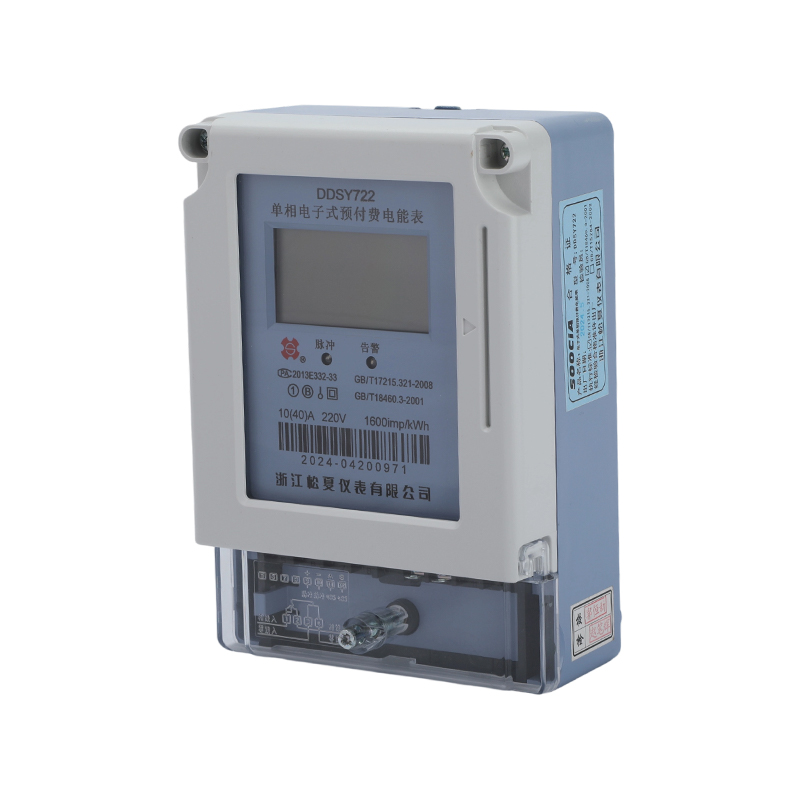
In residential settings, Home Energy Meter solutions enable households to understand and optimize their energy usage. With features such as remote monitoring and real-time data reporting, homeowners can identify consumption patterns, manage costs, and contribute to energy efficiency efforts. This article explores the features, applications, and benefits of digital electrical energy meters, highlighting their role in modern power measurement.
Understanding Digital Electrical Energy Meters
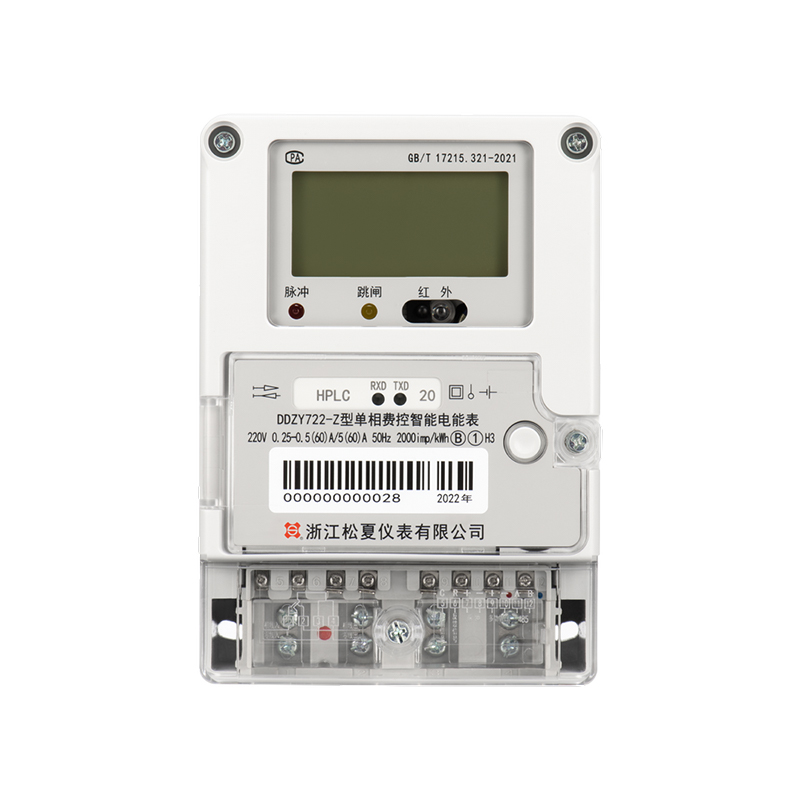
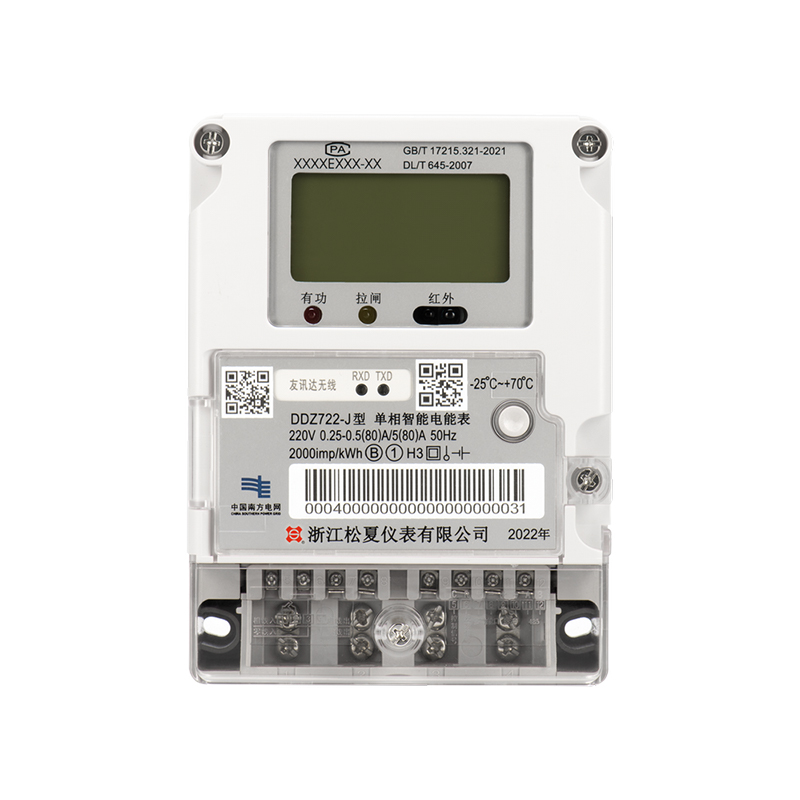
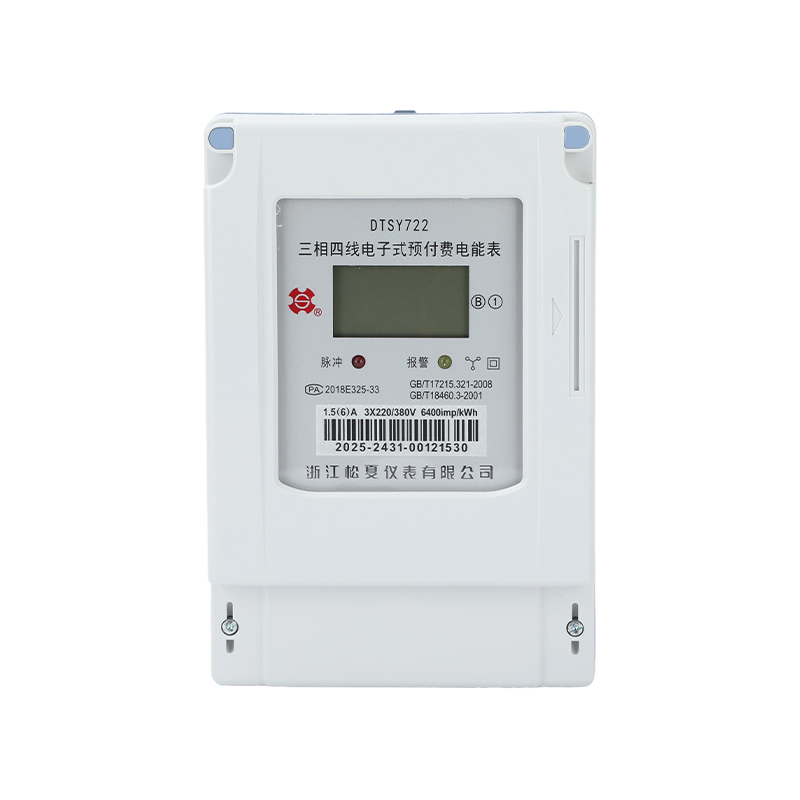
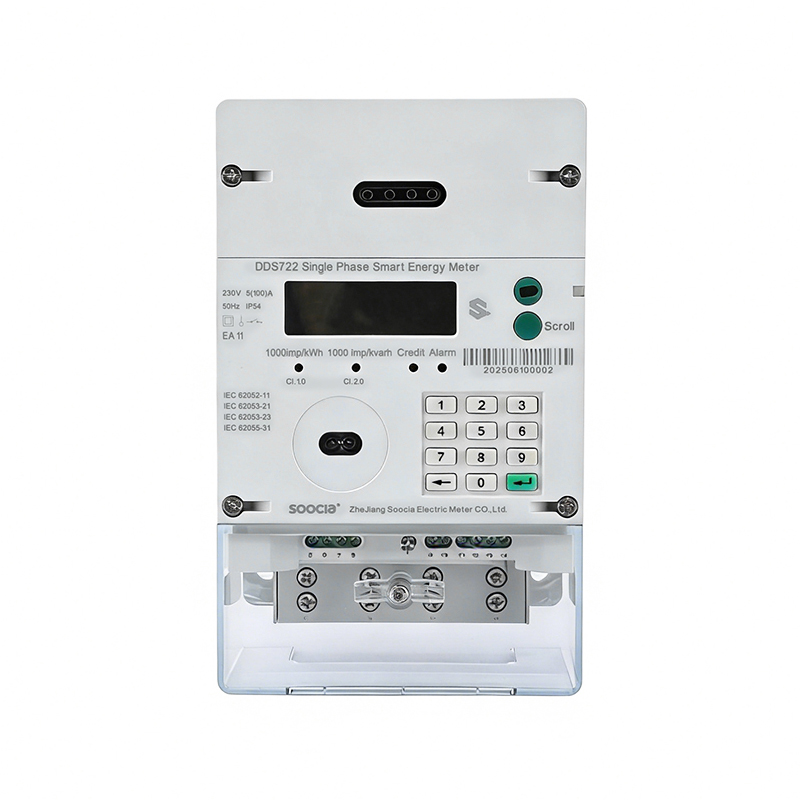
A digital electrical energy meter is an electronic device designed to measure and record electricity usage with high accuracy. It can monitor parameters such as voltage, current, active and reactive power, and total energy consumption. Unlike traditional mechanical meters, digital meters often include advanced functionalities such as programmable measurement intervals, communication interfaces, and fault detection capabilities.
How Digital Electrical Energy Meters Work
Digital electrical energy meters employ electronic sensors and microcontrollers to process electrical signals. The current passing through the meter is converted into a readable digital signal, which is then displayed on an LCD or LED screen. Many meters also offer remote transmission capabilities, allowing data to be sent to central monitoring systems. This level of automation facilitates detailed energy analysis and provides timely information for operational decision-making.
The transition from electric meter digital to intelligent metering reflects a broader trend in energy systems toward data-driven management. By collecting and analyzing usage patterns, digital meters allow utilities and facility managers to optimize energy distribution, detect irregularities, and plan maintenance schedules efficiently.
A Home Energy Meter is a specific type of digital electrical energy meter designed for residential applications. It empowers homeowners to monitor energy consumption in real time, offering insights into how electricity is used within different areas of the home.
Key Benefits for Residential Users
Residential digital meters provide more than just a reading of electricity usage—they create a feedback loop that encourages informed decisions about energy behavior. In regions where energy costs are high or where sustainable living is encouraged, Home Energy Meters become a practical tool for both financial and environmental benefits.
Beyond residential use, digital electrical energy meters are widely deployed in industrial plants, commercial buildings, and utility systems. In these settings, the complexity of electrical loads and the scale of energy consumption demand precise measurement and advanced monitoring capabilities.
Key Applications
By employing digital electrical energy meters, facilities can reduce downtime, improve safety, and enhance overall energy management. The combination of precise measurement, data analytics, and automation facilitates proactive maintenance and efficient resource allocation.
Digital meters, whether in homes or industrial applications, offer a range of advantages over traditional mechanical devices. These benefits include:
These features make electric meter digital solutions an essential tool for anyone looking to manage energy efficiently, reduce waste, and ensure reliable power distribution.
Selecting the right digital electrical energy meter depends on factors such as application type, load requirements, communication needs, and environmental conditions. Key considerations include:
In residential setups, a Home Energy Meter may prioritize user-friendly interfaces and app-based monitoring. In industrial and commercial settings, electric meter digital devices may emphasize scalability, robust construction, and integration with automated control systems.
The field of electricity metering is evolving rapidly. Emerging trends include:
These trends highlight the growing importance of digital electrical energy meters in supporting modern energy infrastructure. Their ability to provide precise, actionable data is reshaping how electricity is managed across sectors.
Digital electrical energy meters have transformed the way energy is measured and managed. From electric meter digital solutions in industrial plants to Home Energy Meter applications in households, these devices provide accurate, efficient, and reliable monitoring. The adoption of digital meters supports better energy management, safety, and sustainability, while enabling integration with modern systems and smart grid technologies.
Understanding the capabilities and benefits of digital electrical energy meters is crucial for homeowners, facility managers, and utility operators. By leveraging these advanced measurement tools, users can gain insights into energy consumption, optimize operations, and contribute to a more sustainable and efficient energy ecosystem.
Recommended Products

With over 30 years of experience in electricity metering, we specialize in the design, manufacturing, and supply of energy meters. Our product portfolio covers multiple series, including mechanical, electronic, and smart meters.
Contact Us
+86-577-62711702
Zhejiang Soocia Electric Meter Co., Ltd.:
No.21-23 Shanggong Road, Shangwu Industrial Zone, Liushi Town, Yueqing City, Zhejiang Province, China
Huaxia Power Transmission And Distribution Equipment Co., Ltd.:
No. 222 Weisan Road, Yueqing Economic Development Zone, Yueqing City, Zhejiang Province, China

Industrial & Commercial Power Systems