中文简体
中文简体
 English
 русский

Quick Product Search
Contact us to learn how we can use our expertise to bring you high-quality products.
2025-12-17
In the era of digital transformation, households are increasingly looking for ways to monitor and manage their electricity consumption. Traditional electric meters, commonly mounted as an electric meter outside the house, have served residential communities for decades. They provide accurate measurement of electricity consumption and form the basis for billing by utility companies. However, these conventional meters offer limited functionalities beyond basic measurement and require manual readings.
The evolution of residential electricity monitoring has brought smart energy meters for home solutions into the spotlight. These devices not only measure electricity usage but also provide real-time data, remote access, and integration with modern energy management systems. Coupled with infrastructure like containerised substation, smart meters offer a comprehensive approach to efficient power distribution and energy monitoring. This article explores the installation process, advantages, and broader implications of deploying smart energy meters in residential areas.
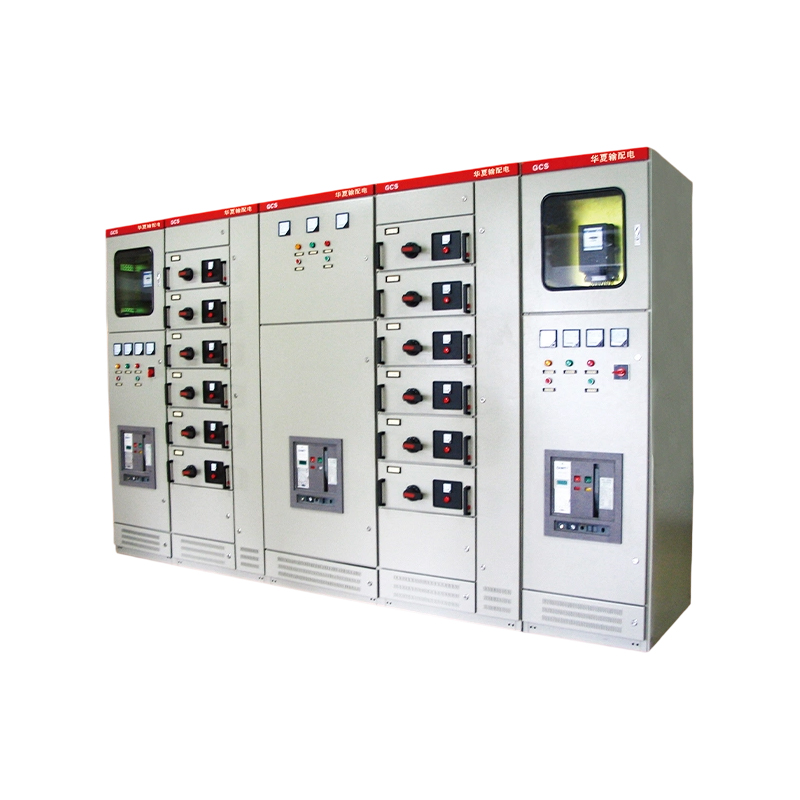
An electric meter outside the house is the traditional point of contact between a household and the utility grid. Mounted outside for easy access, these meters have provided essential monitoring for decades. They allow utility companies to measure electricity consumption and calculate monthly billing. Their design prioritizes durability, resistance to environmental factors, and safety.
While reliable, traditional meters have certain limitations:
These challenges have driven the adoption of advanced technologies that enhance the functionality of traditional meters, paving the way to the rise of smart energy solutions for homes.
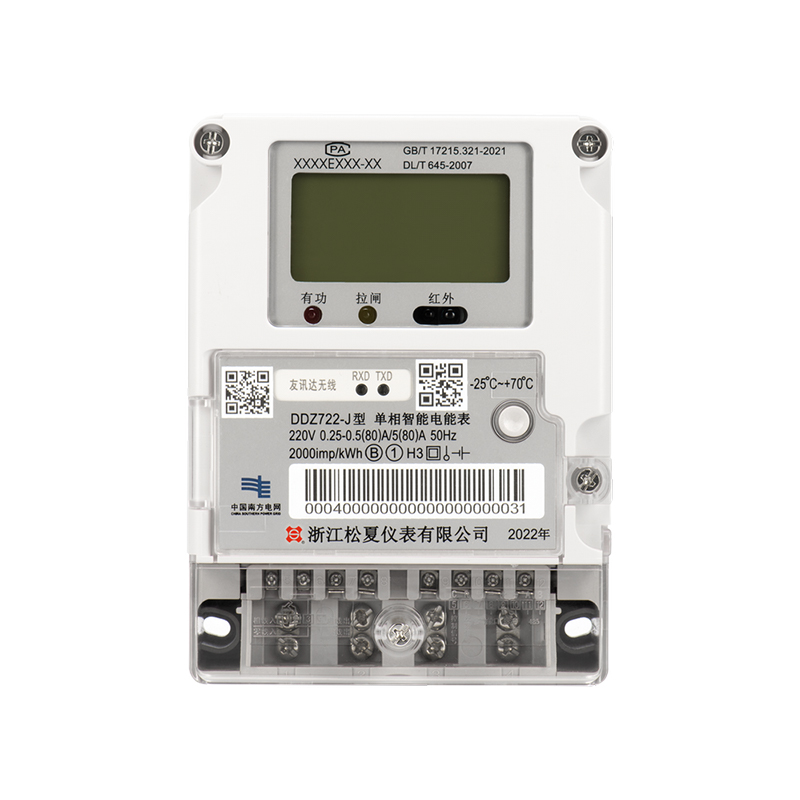
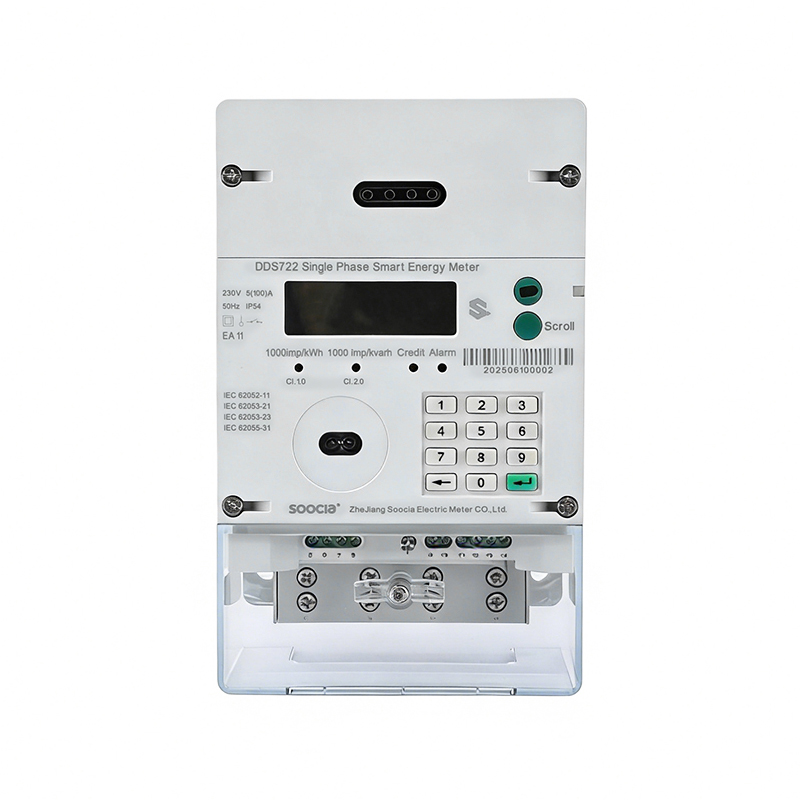
A smart energy meter for home is a digital device designed to monitor and manage electricity consumption in real time. Unlike conventional meters, smart meters provide granular data on power usage, enable remote monitoring, and support communication with energy management platforms.
Core Features of Smart Energy Meters
The combination of these features makes smart energy meters more than just measurement devices—they act as tools for informed decision-making and energy efficiency.
Installing a smart energy meter for home involves several steps and considerations to ensure safety, accuracy, and effective operation. While the device can often replace an existing electric meter outside house, professional installation is recommended to maintain compliance with local electrical codes.
Step-by-Step Installation
Safety Considerations
Safety is paramount during installation. Professional technicians ensure compliance with national and regional electrical standards. Proper insulation, secure mounting, and adherence to installation protocols reduce the risk of accidents and ensure long-term reliability.
Deploying a smart energy meter for home brings multiple benefits for homeowners, utility providers, and the community.
Enhanced Energy Awareness
Homeowners gain access to detailed consumption data, allowing them to monitor trends and identify opportunities for reducing energy use. Understanding peak hours and high-load appliances can help adjust usage patterns for better efficiency.
Cost Management
With real-time monitoring, users can make informed decisions to manage electricity bills. Smart meters support dynamic pricing, enabling households to take advantage of lower rates during off-peak periods.
Remote Monitoring and Control
Utility companies can remotely manage smart meters, reducing the need for manual readings and site visits. In case of power anomalies or potential faults, immediate notifications can be sent to both the utility and the homeowner.
Support for Renewable Integration
Smart meters facilitate the integration of renewable energy sources, such as solar panels, by monitoring production and consumption in real time. This enables households to optimize self-consumption and reduce dependency on the grid.
Role of Containerised Substation in Residential Power Supply
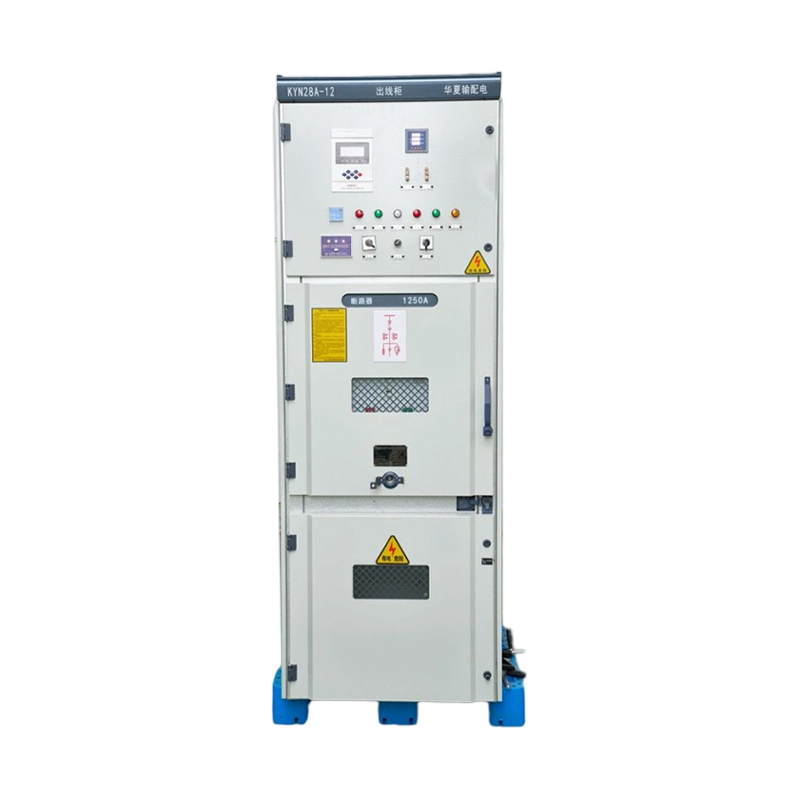
A containerised substation is a modular, compact electrical substation housed within a standard container. These substations provide a flexible solution for distributing electricity efficiently in residential, commercial, or industrial areas.
By providing a compact and adaptable infrastructure, containerised substations complement the functionality of smart meters, creating an integrated and efficient power distribution network.
Applications Across Residential Areas
Smart energy meters and containerised substations have wide applications in modern residential developments:
Together, these technologies support a more transparent and efficient electricity supply, encouraging responsible energy usage.
Future Trends in Home Energy Management
The deployment of smart energy meter for home systems is part of a broader shift toward smart grid technologies. Future trends include:
These developments point to a more interactive and intelligent residential energy ecosystem.
The transition from a traditional electric meter outside the house to a smart energy meter for home systems represents a significant step toward modern energy management. By providing real-time data, remote monitoring, and integration with energy management platforms, smart meters empower homeowners to control their electricity consumption effectively.
When paired with infrastructure like a containerised substation, these meters support reliable, flexible, and efficient power distribution. Together, they contribute to safer electricity supply, cost management, and energy sustainability in residential areas.
As technology continues to advance, households adopting smart meters and modular substations can expect improved operational insights, enhanced safety, and a foundation for integrating renewable energy and intelligent load management systems.
Recommended Products

With over 30 years of experience in electricity metering, we specialize in the design, manufacturing, and supply of energy meters. Our product portfolio covers multiple series, including mechanical, electronic, and smart meters.
Contact Us
+86-577-62711702
Zhejiang Soocia Electric Meter Co., Ltd.:
No.21-23 Shanggong Road, Shangwu Industrial Zone, Liushi Town, Yueqing City, Zhejiang Province, China
Huaxia Power Transmission And Distribution Equipment Co., Ltd.:
No. 222 Weisan Road, Yueqing Economic Development Zone, Yueqing City, Zhejiang Province, China

Industrial & Commercial Power Systems