中文简体
中文简体
 English
 русский

Quick Product Search
Contact us to learn how we can use our expertise to bring you high-quality products.
2025-12-17
In today's energy-conscious world, accurate monitoring and management of electricity have become essential for households, businesses, and utilities alike. With the rise of smart technology and the increasing demand for energy efficiency, the role of modern electricity meters has evolved beyond simple measurement. Electricity meters home are no longer just tools for recording consumption; they provide valuable insights that help users understand their energy usage patterns, make informed decisions, and participate in a smarter power grid.
As households become more interconnected with technology, there is a growing need for devices that can offer real-time data, reliable control, and seamless integration with broader energy infrastructure. This has paved the way for devices like smart energy meter 3 phase and innovations such as modular substation, which collectively enhance the distribution, monitoring, and management of electricity from the grid to individual homes.
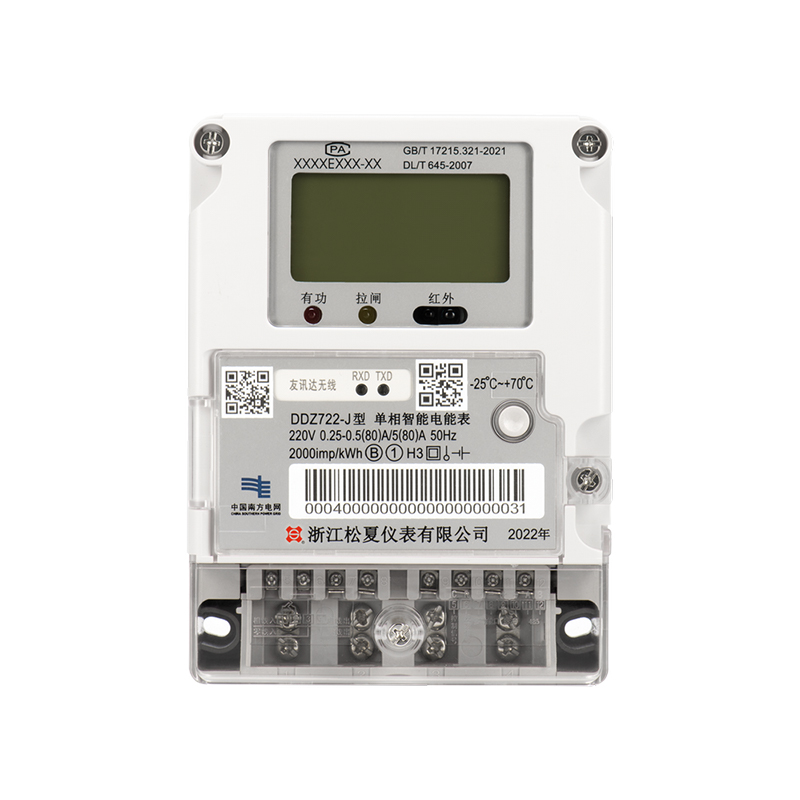
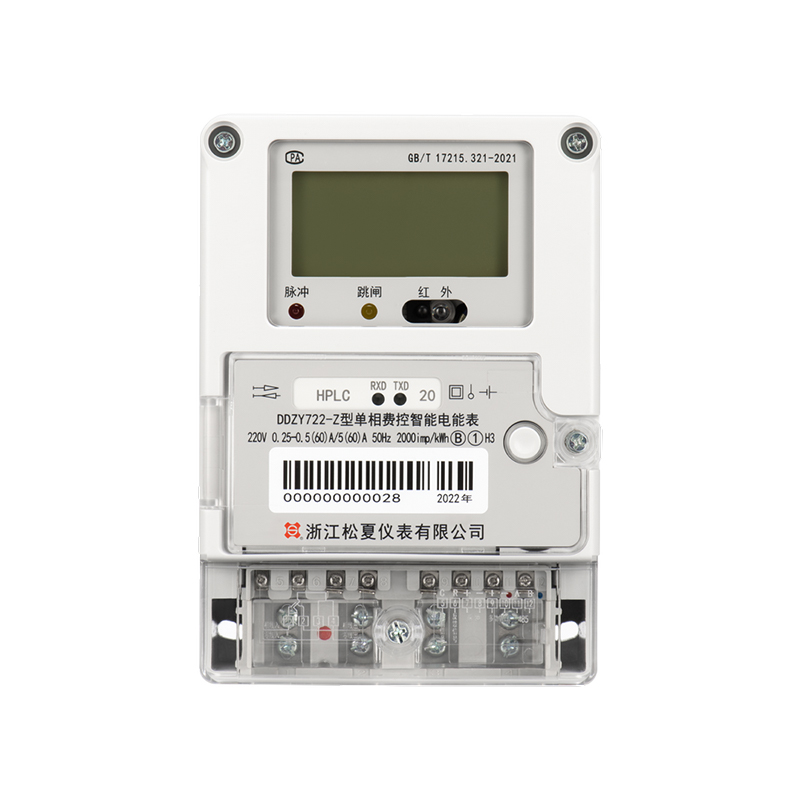
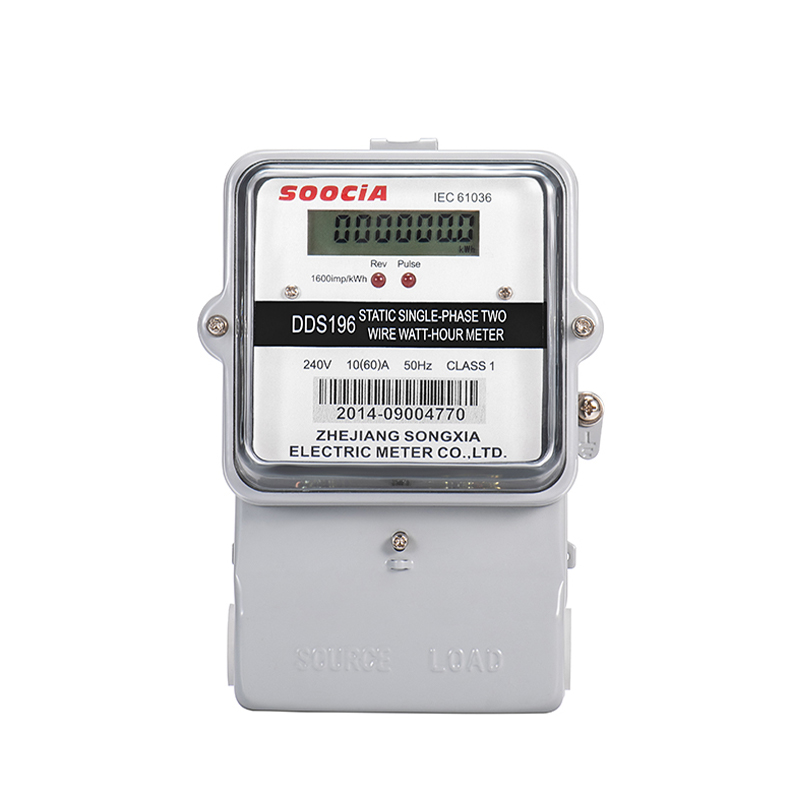
Electricity meters home serve as the primary interface between households and the power grid. Traditionally, home meters recorded total energy consumption in kilowatt-hours (kWh), providing basic billing information. However, modern electricity meters offer a much richer set of data.
Monitoring Energy Consumption
With digital technology, home electricity meters can now record consumption in real time, track peak and off-peak usage, and provide historical data for detailed analysis. This enables homeowners to identify high-consumption appliances, adjust usage patterns, and implement energy-saving measures.
Enhancing Energy Awareness
Electricity meters home play a crucial role in raising awareness about energy efficiency. By visualizing consumption data, users can better understand how their habits impact energy costs and environmental footprint. Many modern meters include user-friendly interfaces, mobile applications, and alerts, encouraging more responsible and informed energy use.
Supporting Household Automation
Integration with home automation systems allows electricity meters to participate actively in energy management. For instance, meters can communicate with smart thermoreats, lighting controls, and appliances, adjusting operations based on energy availability or pricing signals. This level of integration helps households balance comfort, cost, and efficiency without constant manual intervention.
For homes and facilities with higher energy demands or complex electrical setups, the smart energy meter 3 phase provides a more sophisticated solution. Unlike single-phase meters, three-phase meters are designed to handle larger loads, ensure balanced power distribution, and deliver precise readings across multiple circuits.
Features of Smart Energy Meter 3 Phase
While often associated with industrial or commercial installations, smart energy meter 3 phase technology is increasingly applied in high-demand residential areas. Homes with electric heating, solar generation, or electric vehicle charging infrastructure benefit from the precise measurements and advanced monitoring capabilities these meters provide.
Integration with Infrastructure: Modular Substation
Electricity meters home and smart energy meter 3 phase are part of a larger electrical ecosystem that requires reliable and adaptable distribution infrastructure. The modular substation plays a vital role in connecting the power grid with end-user systems, including residential meters.
What is a Modular Substation?
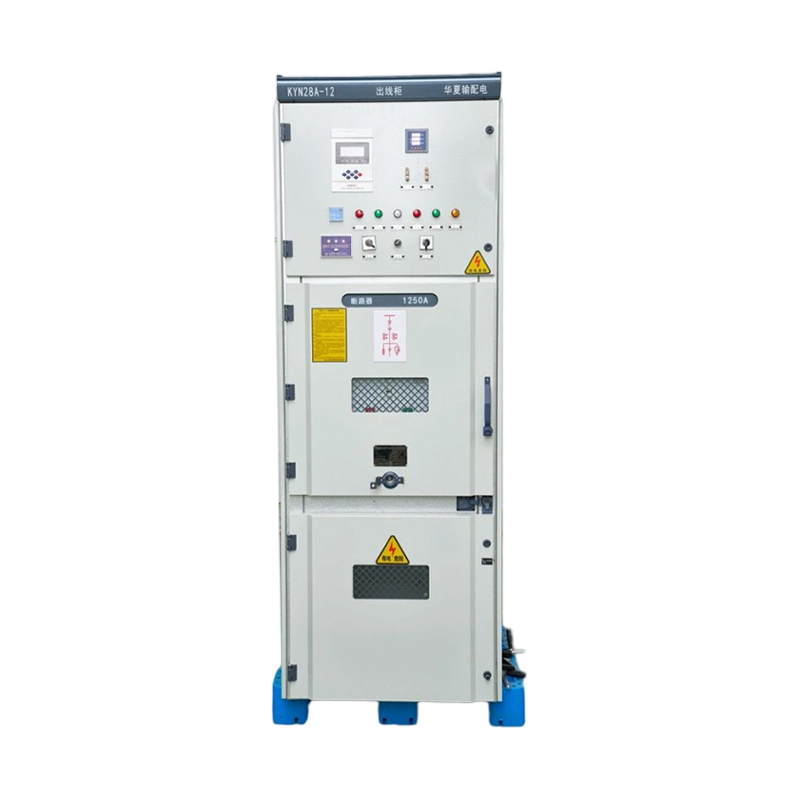
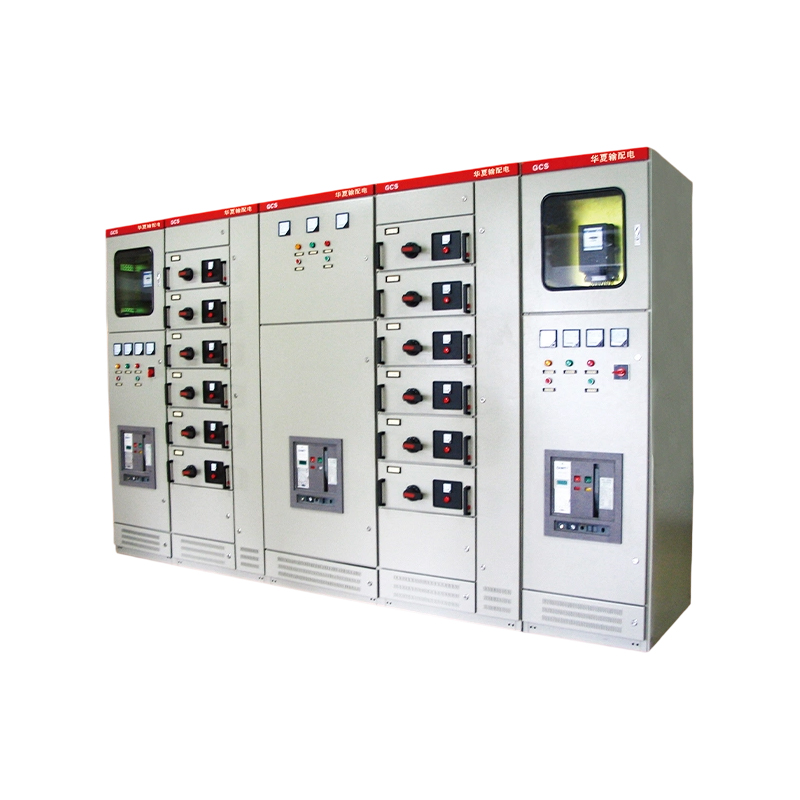
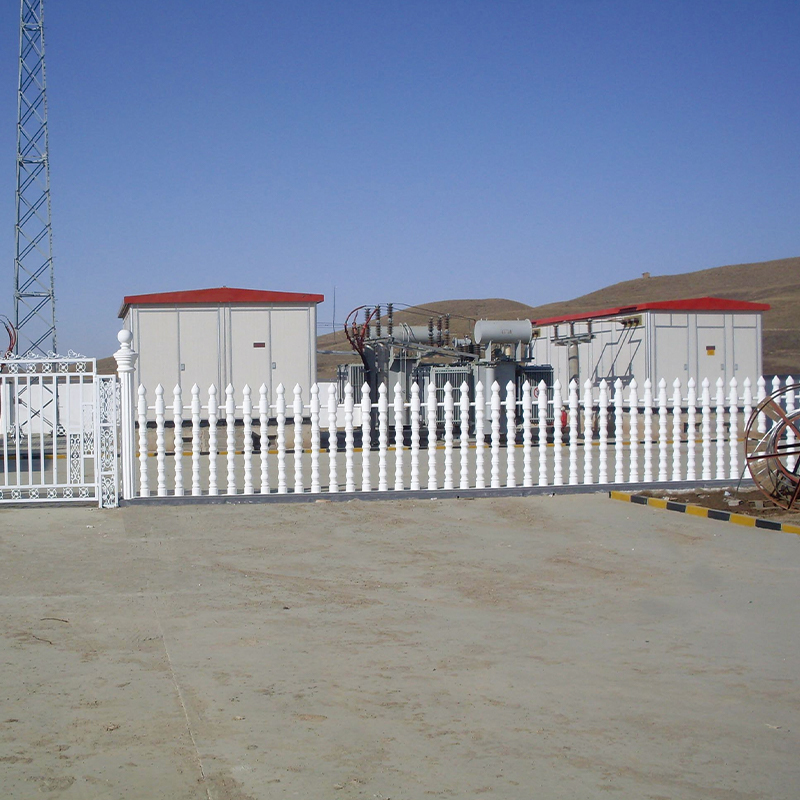
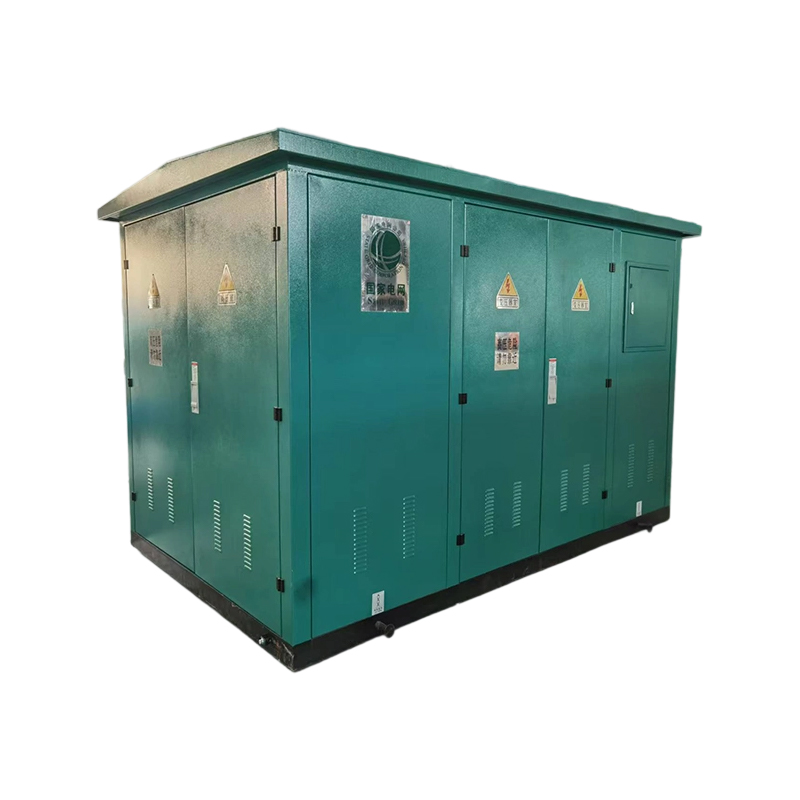
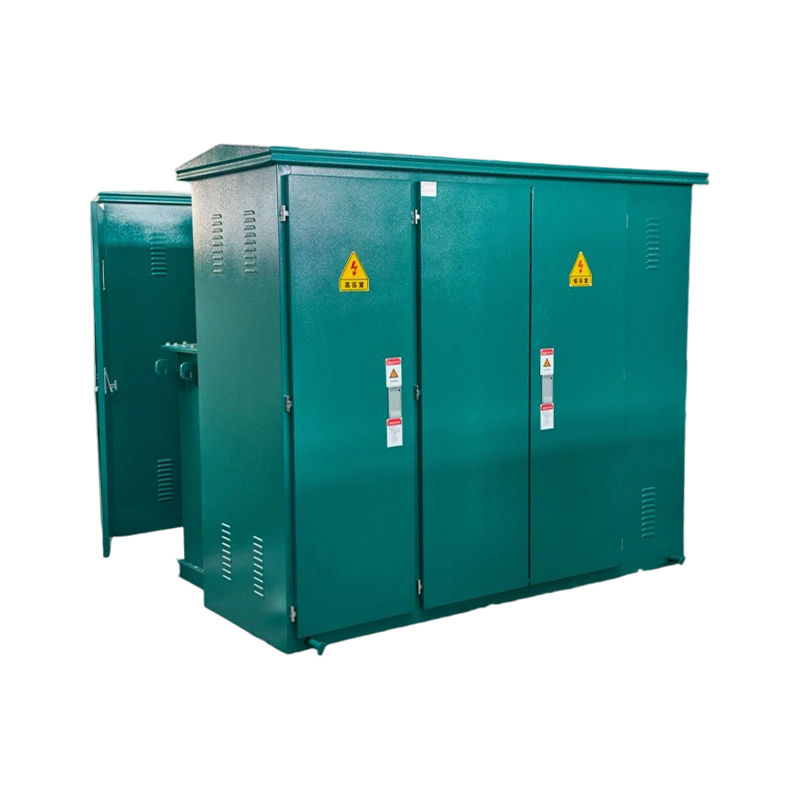
A modular substation is a pre-engineered, compact assembly of electrical components that manage the distribution of medium and low voltage power. It can include transformers, switchgear, protection devices, and metering equipment. Unlike traditional substations, modular substations are designed for flexibility, allowing rapid installation, easy maintenance, and scalability to meet changing energy demands.
Adaptability: Modular design enables utilities to expand or reconfigure substations without extensive civil works. This is particularly useful in growing urban neighborhoods where electricity demand can change quickly.
Safety and Reliability: By integrating protective devices and control systems, modular substations help isolate faults and maintain continuous power supply to homes equipped with electricity meters.
Integration with Smart Systems: Modular substations can communicate with smart energy meters and home energy management systems, supporting real-time monitoring, load balancing, and automated responses to network conditions.
Supporting the Smart Grid
Modular substations serve as a bridge between the traditional power grid and modern smart energy systems. By facilitating data exchange and adaptive power distribution, they enhance overall grid stability, reduce losses, and improve energy utilization efficiency. Homes connected to such infrastructure benefit from more reliable power and advanced monitoring capabilities.
Benefits to Consumers and Energy Providers
For Homeowners
The combination of electricity meters home, smart energy meter 3 phase, and access to modular substations delivers several advantages:
For Utilities
The evolution of home metering and distribution infrastructure reflects broader trends in energy management and smart grid development. By adopting home electricity meters and smart energy meters 3-phase connected through modular substation networks, households gain access to tools that promote responsible consumption, reliability, and sustainability.
Advancing Household Energy Awareness
Accessible and detailed data empowers users to make informed choices about energy use. This fosters a culture of energy consciousness, supporting long-term cost savings and environmental goals.
Integration with Smart Home Ecosystems
As homes become more automated, electricity meters and smart three-phase systems can coordinate with appliances, storage units, and renewable generation. This allows for automatic optimization of energy usage without compromising comfort or convenience.
Supporting the Modern Power Grid
These technologies collectively strengthen the grid by providing granular data, enabling real-time control, and facilitating rapid responses to faults or fluctuations. Modular substations, in particular, allow utilities to scale and adapt infrastructure efficiently while maintaining a stable supply to households.
The landscape of residential energy management is transforming, driven by innovations in measurement and distribution. Electricity meters in homes now offer detailed insights into consumption, helping homeowners understand and manage their energy habits. Smart energy meter 3 phase extends these capabilities to higher-demand or complex installations, providing real-time data, load balancing, and remote management. Meanwhile, modular substation infrastructure ensures that electricity is delivered safely, efficiently, and flexibly from the grid to end-users.
Together, these technologies empower households to engage actively with their energy usage, support utilities in delivering reliable service, and contribute to the broader development of smarter, more sustainable power networks. By embracing these solutions, modern households can achieve greater energy awareness, operational efficiency, and readiness for the evolving demands of a connected electrical ecosystem.
Recommended Products

With over 30 years of experience in electricity metering, we specialize in the design, manufacturing, and supply of energy meters. Our product portfolio covers multiple series, including mechanical, electronic, and smart meters.
Contact Us
+86-577-62711702
Zhejiang Soocia Electric Meter Co., Ltd.:
No.21-23 Shanggong Road, Shangwu Industrial Zone, Liushi Town, Yueqing City, Zhejiang Province, China
Huaxia Power Transmission And Distribution Equipment Co., Ltd.:
No. 222 Weisan Road, Yueqing Economic Development Zone, Yueqing City, Zhejiang Province, China

Industrial & Commercial Power Systems