中文简体
中文简体
 English
 русский

Quick Product Search
Contact us to learn how we can use our expertise to bring you high-quality products.
2025-12-17
The way electricity is measured and managed has evolved significantly over the last few decades. Industrial plants, commercial complexes, and utility providers are increasingly focusing on precise energy monitoring to improve operational efficiency, reduce energy waste, and support sustainable practices. With growing energy demands and the emergence of smart technologies, electrical metering has transformed from a simple counting device to an integrated system capable of providing real-time insights into power usage and network health.
One key development in this field is the increasing adoption of Smart Power Meter technology. Unlike traditional metering devices, smart meters provide real-time data, remote monitoring, and advanced energy management features. They are particularly relevant in industrial and commercial sectors, where understanding energy consumption patterns is essential for operational planning and cost control. However, the landscape still includes conventional options such as Single Phase Electric Watthour Meters and Induction Type Meters, which continue to serve specific applications due to their reliability and simplicity.
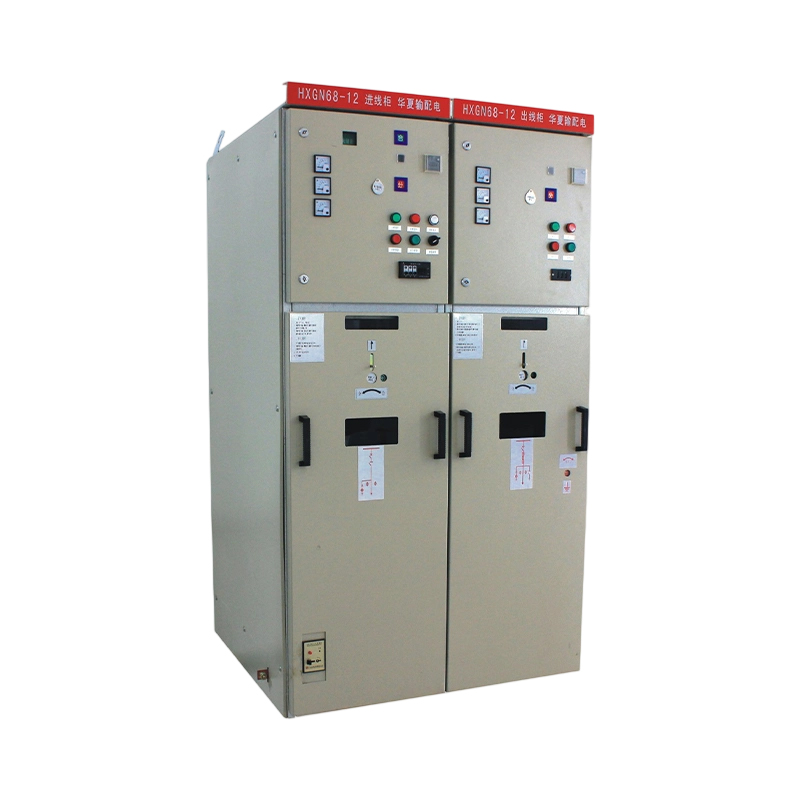
This article explores the evolution of electrical metering, the benefits of smart metering technologies, adoption trends in industrial and commercial settings, and the future outlook for power distribution systems.
Electrical meters have undergone several transformations since their inception. The earliest devices, primarily Induction Type Meters, relied on electromechanical principles to measure electricity consumption. These meters feature a rotating aluminum disk whose speed is proportional to the energy usage, providing an accurate reading of consumption over time. Induction meters are valued for their durability and long service life, making them suitable for residential, commercial, and light industrial applications where consistent measurement is required without frequent recalibration.
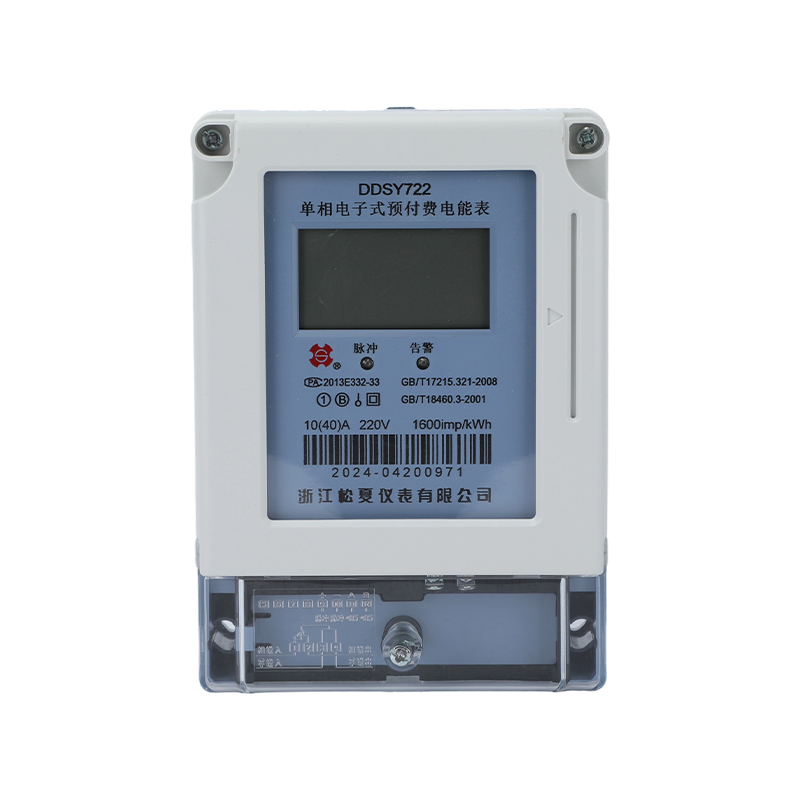
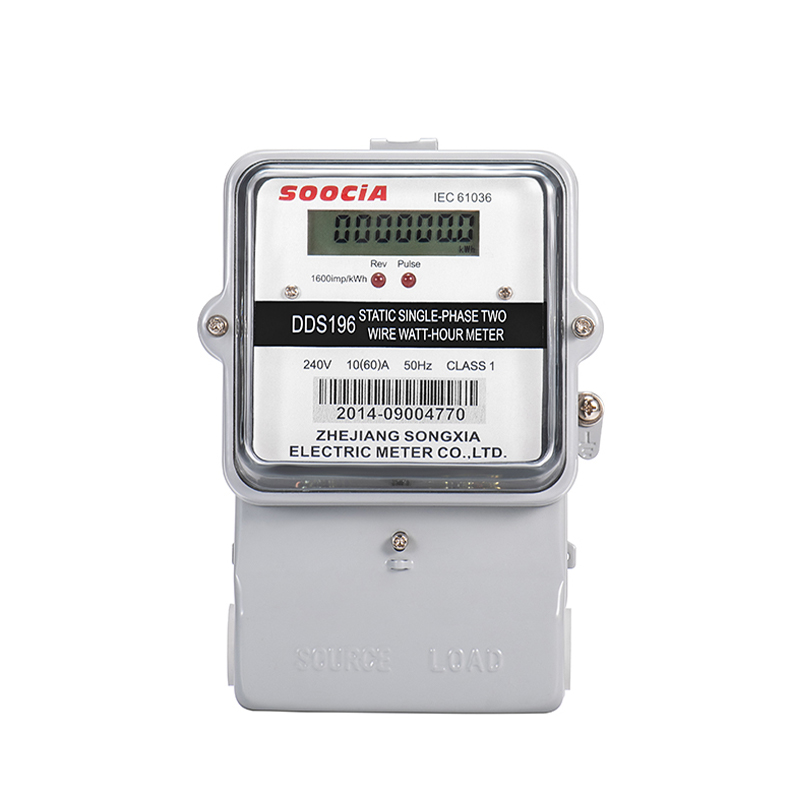
Later, Single Phase Electric Watthour Meters became widely used, particularly for residential and small commercial installations. These meters are designed to measure the energy consumed in a single phase circuit, making them suitable for environments with standard electrical supply configurations. They provide a simple and reliable method of tracking electricity consumption, though they lack advanced monitoring and data integration capabilities.
The transition from these traditional meters to Smart Power Meters represents a significant shift in the energy sector. Smart meters combine measurement capabilities with digital communication technology, allowing real-time data collection, remote access, and integration with energy management systems. This evolution is driven by the need for more responsive, automated, and insightful energy monitoring solutions, particularly in industrial and commercial environments where energy costs constitute a substantial portion of operational expenses.
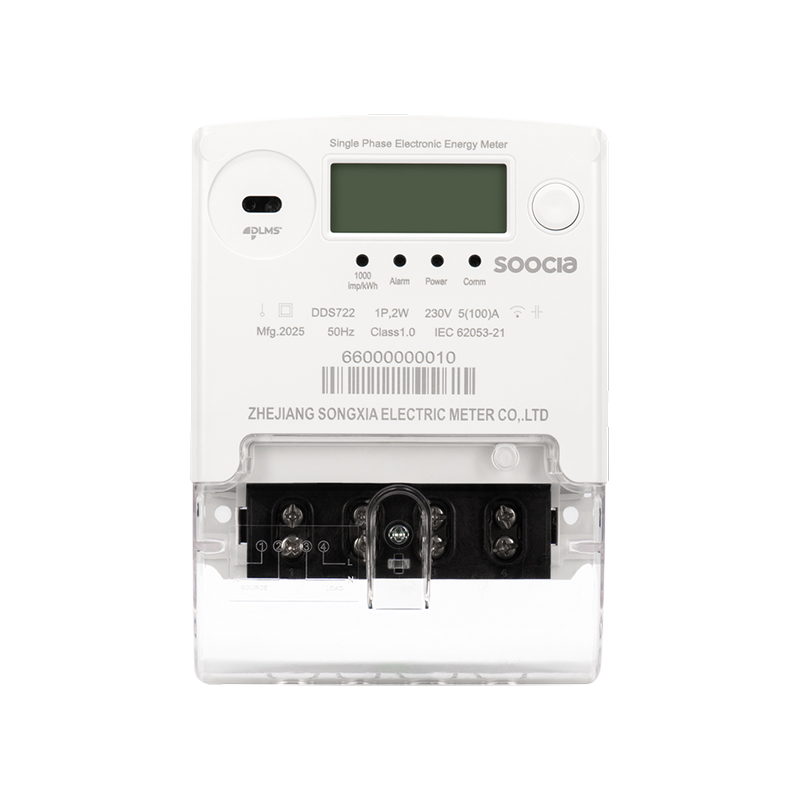
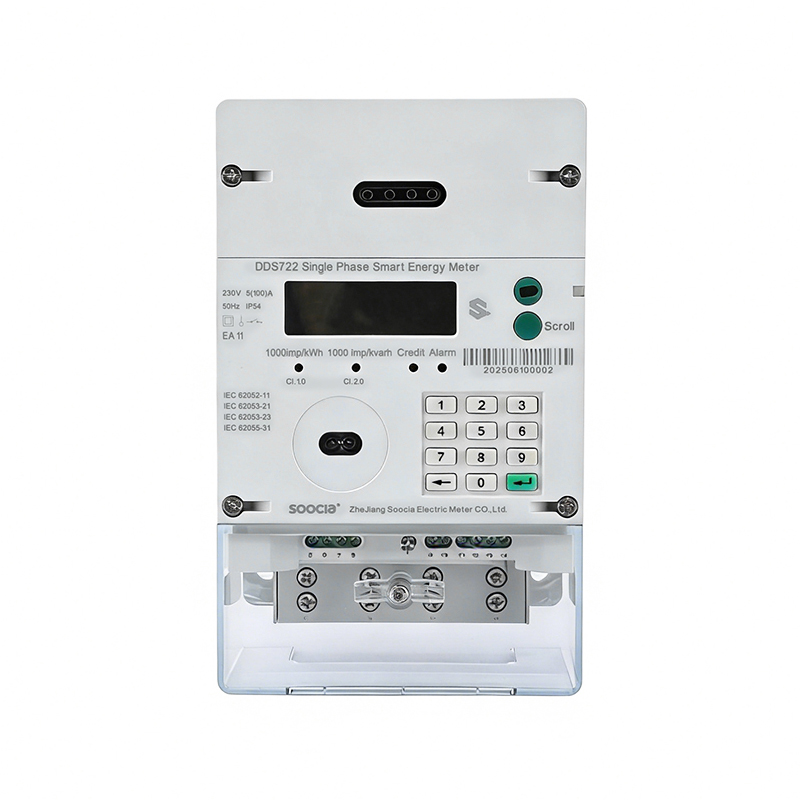
A Smart Power Meter offers functionalities beyond simple energy measurement. These devices are equipped with sensors, communication modules, and advanced software that enable monitoring of voltage, current, active and reactive power, and power quality in real-time. The collected data can be transmitted to central servers or cloud-based platforms for analysis, providing facility managers with detailed insights into energy usage patterns.
Real-Time Monitoring
Smart meters provide instant information about electrical consumption and network conditions. For industrial facilities, this means that unusual spikes or dips in power can be detected immediately, allowing for corrective action before equipment is affected or energy is wasted. Commercial buildings benefit from monitoring at both the building level and individual tenant level, enabling precise billing and energy management.
Remote Management
With remote connectivity, smart meters allow operators to perform functions that previously required physical presence. This includes resetting meters, configuring alerts, and conducting diagnostics. Remote access reduces operational risks and allows energy managers to respond swiftly to emerging issues.
Data Logging and Analysis
The ability to record and analyze historical data is a key feature of smart metering systems. This data can inform maintenance schedules, identify inefficiencies, and support planning for future energy needs. By analyzing patterns, industrial operators can implement load balancing strategies, reduce peak demand charges, and optimize overall energy consumption.
Integration with Energy Management Systems
Smart meters can communicate with building management systems (BMS) and energy management platforms, creating a unified approach to energy oversight. This integration is particularly useful in commercial complexes, factories, and industrial campuses, where multiple energy-intensive systems operate simultaneously.
Despite the rise of smart metering, Single Phase Electric Watthour Meters maintain a significant presence in energy distribution. These meters are particularly effective for single-phase connections, which are common in residential and small commercial installations. Their simplicity, durability, and reliability make them suitable for long-term deployment in environments where advanced monitoring is not critical.
The primary function of these meters is to measure electricity consumption in kilowatt-hours (kWh). Unlike smart meters, they do not typically provide remote monitoring or detailed analytics. However, they remain a cost-effective and straightforward solution for environments where precise data collection is secondary to dependable measurement.
Induction Type Meters: Classic Measurement Solutions
Induction Type Meters continue to be used extensively, especially in regions where traditional electromechanical metering remains the standard. These meters are appreciated for their robustness and small maintenance requirements. The rotating disk mechanism offers consistent accuracy over decades of operation, making it suitable for both commercial and industrial applications where simplicity and reliability are priorities.
While they lack the digital capabilities of smart meters, induction meters can be adapted to hybrid systems that combine legacy metering infrastructure with modern monitoring devices. This approach allows utilities and facility operators to gradually integrate smart technology without fully replacing existing metering hardware.
The adoption of Smart Power Meter technology has been accelerating in both industrial and commercial sectors. Several factors contribute to this trend:
Integration with IoT and Automation: Many facilities are incorporating IoT devices and automation systems. Smart meters serve as foundational components for real-time monitoring, predictive maintenance, and energy optimization.
While Single Phase Electric Watthour Meters and Induction Type Meters continue to serve traditional applications, smart meters are becoming the preferred solution for new installations and upgrades due to their enhanced capabilities.
The future of electrical metering is likely to see a greater emphasis on connectivity, automation, and analytics. Smart meters are expected to play an integral role in supporting smart grid initiatives, renewable energy integration, and intelligent building management.
Industrial and commercial facilities may increasingly adopt hybrid systems that combine Smart Power Meter functionality with existing Single Phase Electric Watthour Meters or Induction Type Meters, creating a balance between modernization and infrastructure preservation. This approach allows for gradual integration of digital technologies while leveraging the reliability of traditional metering.
Advancements in sensor technology, wireless communication, and data analytics will further enhance the capabilities of smart meters. Real-time load forecasting, predictive maintenance, and detailed energy reporting are likely to become standard features, helping organizations make informed decisions about energy use, cost savings, and operational sustainability.
The adoption of Smart Power Meter technology in industrial and commercial sectors is transforming the way electricity is measured, managed, and optimized. While traditional options such as Single Phase Electric Watthour Meters and Induction Type Meters continue to provide reliable service, smart meters offer capabilities that support real-time monitoring, remote management, and integration with energy management systems.
By understanding the strengths and applications of each type of meter, organizations can implement effective strategies to monitor energy consumption, enhance operational efficiency, and contribute to sustainable energy practices. The growing adoption of smart meters represents a significant step forward in modernizing electrical distribution systems, ensuring that industrial and commercial facilities are equipped to meet current and future energy challenges.
Recommended Products

With over 30 years of experience in electricity metering, we specialize in the design, manufacturing, and supply of energy meters. Our product portfolio covers multiple series, including mechanical, electronic, and smart meters.
Contact Us
+86-577-62711702
Zhejiang Soocia Electric Meter Co., Ltd.:
No.21-23 Shanggong Road, Shangwu Industrial Zone, Liushi Town, Yueqing City, Zhejiang Province, China
Huaxia Power Transmission And Distribution Equipment Co., Ltd.:
No. 222 Weisan Road, Yueqing Economic Development Zone, Yueqing City, Zhejiang Province, China

Industrial & Commercial Power Systems