中文简体
 English
 русский

Quick Product Search
Contact us to learn how we can use our expertise to bring you high-quality products.
2026-11-20
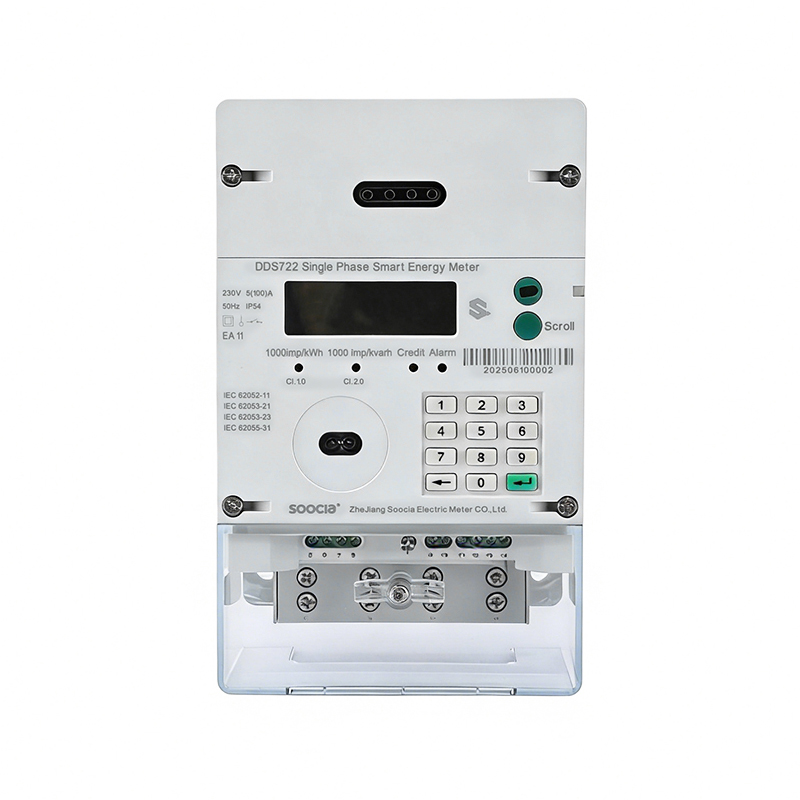
The STS smart meter market is attracting growing attention across Africa as electricity distribution companies expand prepaid metering projects and upgrade existing power distribution infrastructure. Utilities are increasing the deployment of STS prepaid electricity meters to improve payment management, monitor energy consumption, and support electricity revenue collection. Meanwhile, investment in token management systems and smart meter data platforms is creating additional demand for integrated metering solutions.
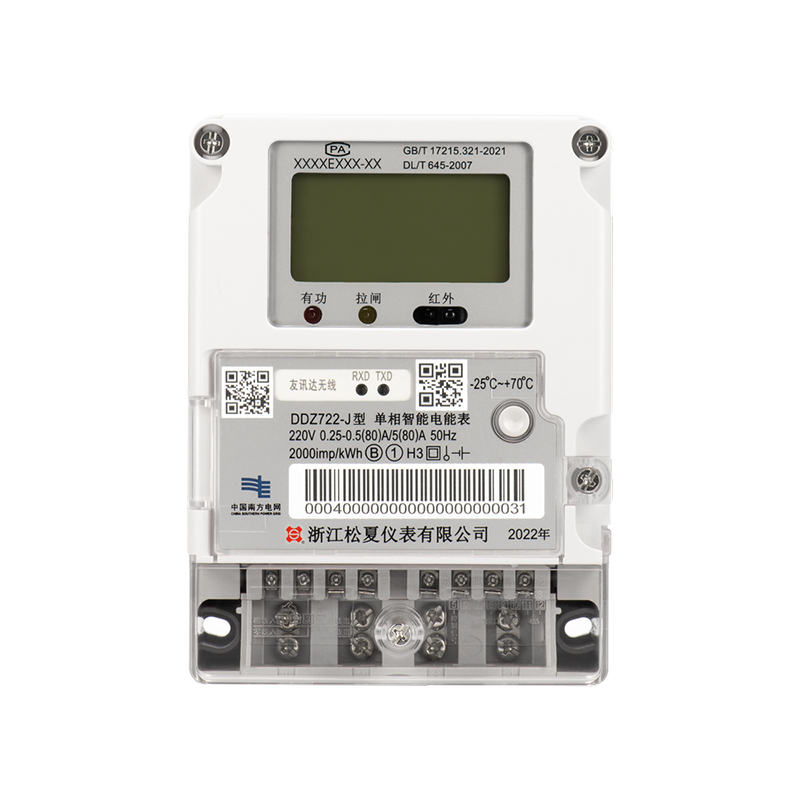
STS prepaid meters allow consumers to purchase electricity credits and enter corresponding tokens into their meters. This payment model helps utilities manage customer accounts while providing users with better visibility into electricity consumption. As electricity demand develops across residential, commercial, and industrial sectors, prepaid metering is becoming an important part of electricity infrastructure modernization.
Current deployment projects mainly focus on three areas:
Alongside new meter installations, African electricity distribution companies are reviewing their existing STS token management infrastructure. STS token migration is an important consideration for utilities seeking to maintain compatibility between prepaid meters and updated vending platforms.
The process involves coordinating token generation, vending software, and meter configurations to meet applicable STS requirements. Utilities also need to plan migration activities carefully to maintain normal electricity vending operations and provide consistent customer service.
Common upgrade requirements include token generation and validation, vending platform integration, meter configuration management, and customer account coordination. These improvements can help distribution companies manage existing prepaid metering networks while preparing for additional installations.
|
Upgrade area |
Main function |
Expected benefit |
|
STS token system |
Token generation and validation |
Improved compatibility |
|
Vending platform |
Payment and software integration |
Efficient electricity vending |
|
Meter management |
Configuration and data management |
Better operational coordination |
For distribution companies, token migration is not simply a software update. It also requires coordination between technical teams, customer service departments, and metering project managers.
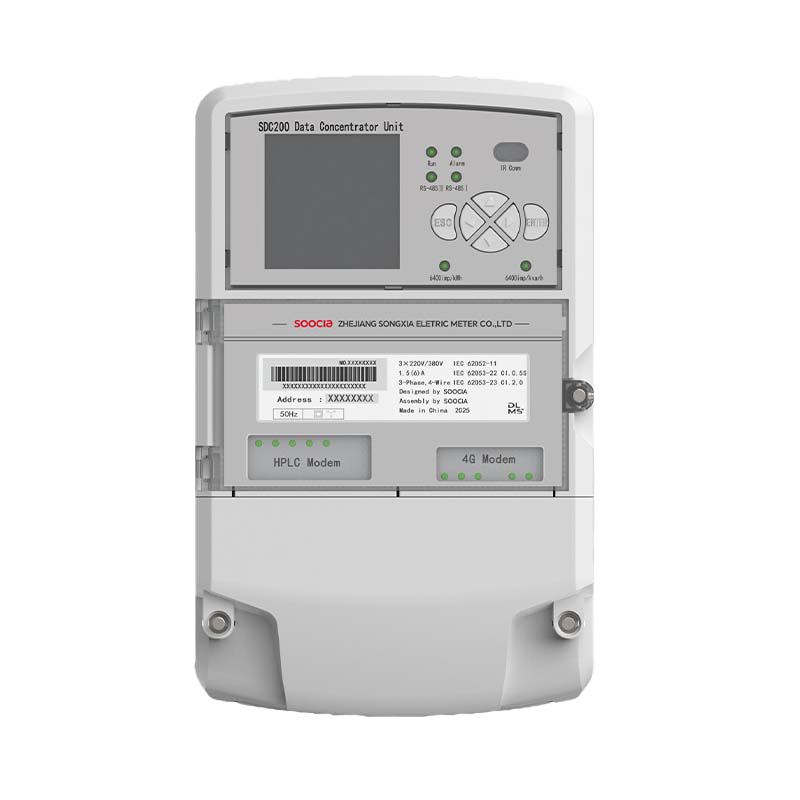
The expansion of STS prepaid metering is also generating demand for Meter Data Management (MDM) and Advanced Metering Infrastructure (AMI).
MDM platforms help utilities collect, validate, store, and analyze electricity consumption data. AMI infrastructure provides communication capabilities between smart meters and centralized utility platforms, supporting data exchange and remote monitoring where applicable.
For electricity distribution companies, MDM and AMI procurement may cover communication equipment, centralized data platforms, and integration services. These systems can support more organized meter information management and improve access to electricity consumption records.
When planning related procurement projects, utilities generally consider three important steps:
The selection of suitable infrastructure depends on existing network conditions, project scale, communication requirements, and local electricity management practices.
As African electricity markets continue to develop, distribution companies are paying greater attention to the relationship between prepaid meters, STS token migration, and smart meter data management.
Rather than focusing exclusively on meter replacement, utilities are considering the entire metering ecosystem, including hardware, vending software, communication infrastructure, and centralized data platforms. Coordinated procurement can help reduce compatibility challenges and provide a clearer technical framework for future system expansion.
The combination of STS prepaid metering, token management upgrades, and MDM/AMI infrastructure reflects the ongoing development of digital electricity distribution across Africa. These investments are supporting utilities as they modernize metering operations, improve electricity payment management, and strengthen access to consumption data.
Recommended Products

With over 30 years of experience in electricity metering, we specialize in the design, manufacturing, and supply of energy meters. Our product portfolio covers multiple series, including mechanical, electronic, and smart meters.
Contact Us
+86-577-62711702
Zhejiang Soocia Electric Meter Co., Ltd.:
No.21-23 Shanggong Road, Shangwu Industrial Zone, Liushi Town, Yueqing City, Zhejiang Province, China
Huaxia Power Transmission And Distribution Equipment Co., Ltd.:
No. 222 Weisan Road, Yueqing Economic Development Zone, Yueqing City, Zhejiang Province, China

Industrial & Commercial Power Systems