中文简体
中文简体
 English
 русский

Quick Product Search
Contact us to learn how we can use our expertise to bring you high-quality products.
2026-06-05
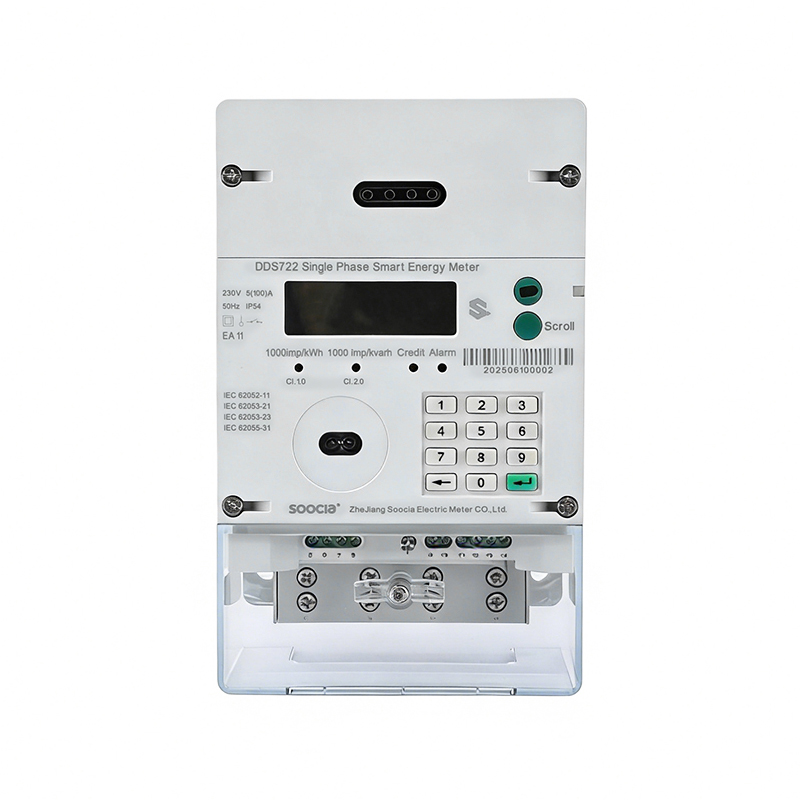
Prepaid electricity meters allow users to pay for power before using it. Among the various systems available, the STS prepaid meter stands out for its use of an open international standard. STS stands for Standard Transfer Specification. This standard ensures that any STS-compliant meter can accept tokens from any STS-compliant vending system. A customer can buy electricity credit from different retailers, and the token will work in their STS prepaid meter regardless of who sold it.
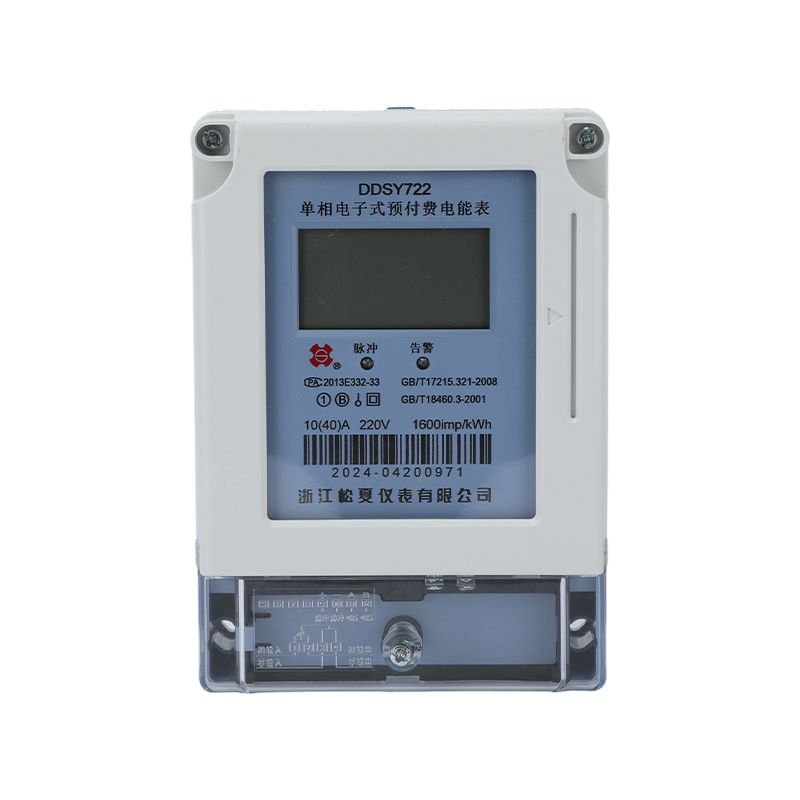
The STS prepaid meter uses a unique 20-digit token number. The customer enters this number on the meter keypad. The meter decrypts the token and adds the corresponding credit to its internal register. The STS standard includes security features that prevent token forgery or reuse. Each token works only once and only for the specific meter it was generated for.
Behind every STS prepaid meter is a vending system that generates tokens. The retailer enters the customer's meter number and the amount of credit requested. The vending system applies a cryptographic algorithm to produce a unique 20-digit token. This token contains encoded information about the credit amount, the meter serial number, and a transaction counter.
When the customer enters the token into their STS prepaid meter, the meter performs the reverse process. It decrypts the token using a stored key. If the meter number embedded in the token matches the meter's own number, and the transaction counter is higher than the last used counter, the meter accepts the token. It then adds the credit amount to the remaining balance.
Key security features of an STS prepaid meter include:
For utility companies, the STS prepaid meter reduces billing costs. No meter readers are needed. No estimated bills are sent. No late payment notices are printed. The customer pays before using electricity, so the utility has no unpaid accounts. Disconnection for non-payment happens automatically when credit runs out, without a truck roll.
For customers, an STS prepaid meter offers control over electricity spending. The user sees the remaining credit on the meter display. When credit gets low, the meter may beep or show a warning. The customer can buy more credit before the power runs out. There are no surprise bills at the end of the month. The customer uses only what they pay for.
Common features found on an STS prepaid meter include:
Installing an STS prepaid meter is similar to installing a conventional meter. The meter is connected in series with the customer's electrical supply. A licensed electrician or utility technician performs the installation. The meter must be sealed to prevent tampering. The utility records the meter number and activates the meter in the vending system.
Compatibility is a major advantage of the STS prepaid meter standard. A customer moving to a new home can use the same token vending system if the new home has an STS meter. A utility can buy meters from multiple manufacturers as long as all are STS compliant. This competition keeps prices reasonable and prevents lock-in to a single supplier.
For utilities considering prepaid metering, the STS prepaid meter represents a proven option. The standard has been in use for over two decades in multiple countries. Millions of STS meters are deployed worldwide. The technical specifications are publicly available, and multiple vendors produce compatible equipment.
The STS prepaid meter has some limitations. The user must have access to a token vending location or mobile purchasing system. Without a way to buy tokens, the meter cannot be recharged. Some systems offer remote token delivery via SMS or mobile app, but the user still needs to enter the token manually on the meter keypad.
Another consideration is the meter's internal clock. Some STS prepaid meter models use time-of-use rates where electricity costs different amounts at different times of day. The meter clock must remain accurate for correct billing. A power outage can affect clock accuracy if the battery backup fails.
From urban apartments to rural villages, the STS prepaid meter provides a standardized method for selling electricity in advance. Its open standard allows competition among meter manufacturers and token vendors while maintaining security. For utilities seeking to reduce billing costs and customers wanting control over electricity spending, the STS prepaid meter offers a practical solution.
Recommended Products

With over 30 years of experience in electricity metering, we specialize in the design, manufacturing, and supply of energy meters. Our product portfolio covers multiple series, including mechanical, electronic, and smart meters.
Contact Us
+86-577-62711702
Zhejiang Soocia Electric Meter Co., Ltd.:
No.21-23 Shanggong Road, Shangwu Industrial Zone, Liushi Town, Yueqing City, Zhejiang Province, China
Huaxia Power Transmission And Distribution Equipment Co., Ltd.:
No. 222 Weisan Road, Yueqing Economic Development Zone, Yueqing City, Zhejiang Province, China

Industrial & Commercial Power Systems