中文简体
中文简体
 English
 русский

Quick Product Search
Contact us to learn how we can use our expertise to bring you high-quality products.
2026-05-29
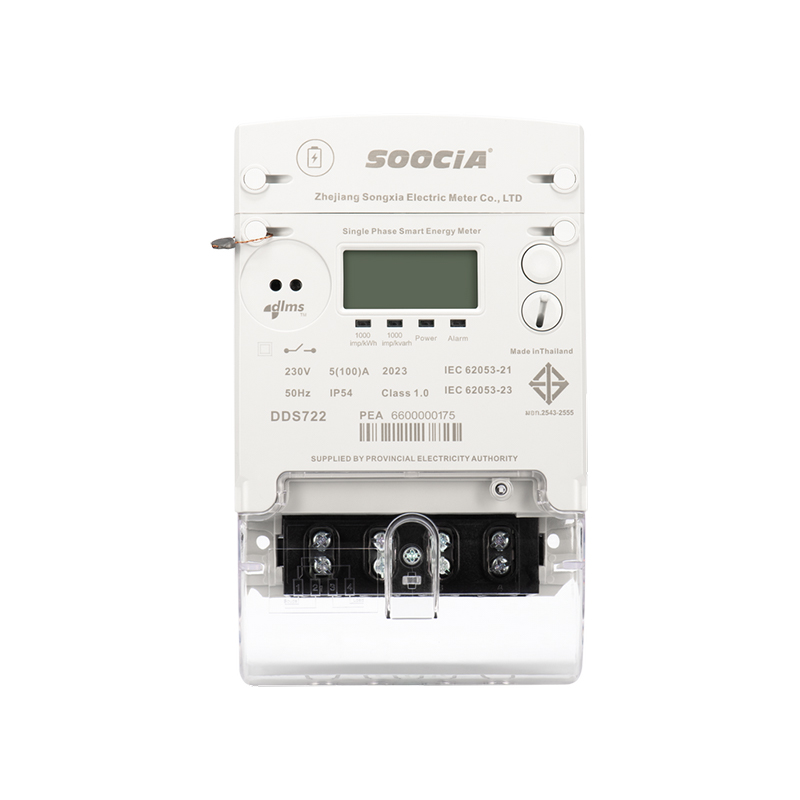
Electricity distribution systems are increasingly adopting digital management methods as utilities and property operators seek more flexible energy control. In many modern installations, the STS-compliant meter is used to support smart prepaid power distribution systems that combine prepaid billing, monitoring functions, and structured energy management across different environments.
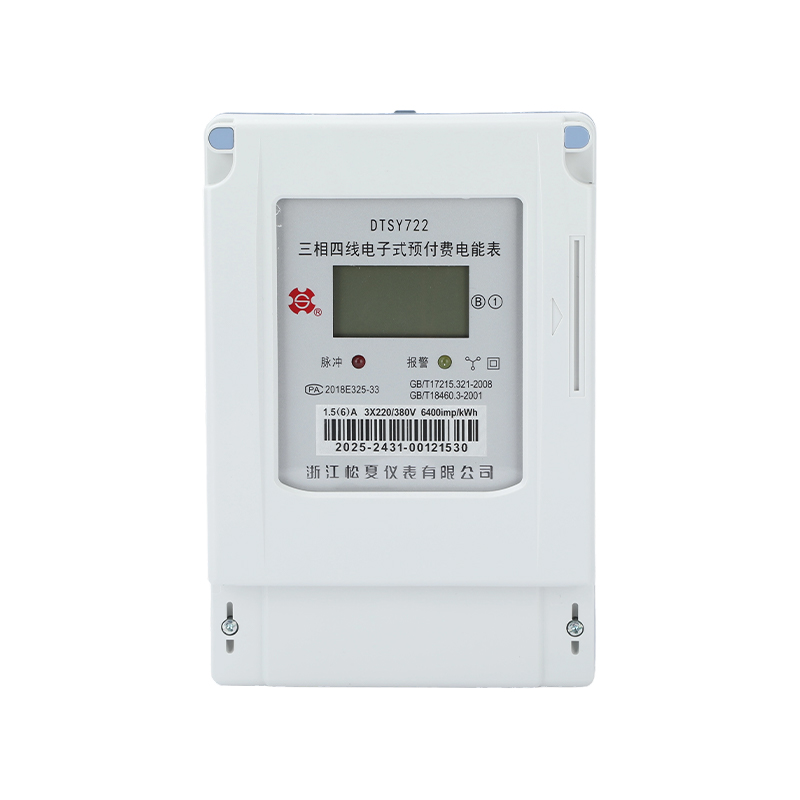
Prepaid electricity systems allow users to purchase energy credits before consumption, instead of receiving post-use billing. This approach is becoming more common in residential and commercial energy networks due to its flexibility and clearer usage tracking.
The STS-compliant meter supports this structure through token-based electricity transactions. Users receive a digital token after payment, which is entered into the meter to update the electricity credit.
This method helps simplify electricity distribution for utilities and gives users clearer control over their energy consumption. It also reduces reliance on manual billing processes and supports more organized payment handling.
Smart prepaid systems combine traditional metering with digital monitoring capabilities. These meters can track energy consumption and display remaining balance directly on the device or connected interface.
Key functions often include:
These functions help users understand their electricity usage patterns more clearly. They also support better energy awareness in residential and commercial environments.
For utility operators, smart metering provides improved visibility into electricity distribution and consumption trends.
Smart prepaid electricity systems are often connected to broader utility management platforms. This allows electricity providers to monitor meter status and manage energy distribution more efficiently.
Communication technologies such as RF modules, GPRS connections, and IoT-based systems are commonly used to support data exchange between meters and management platforms.
These systems allow utilities to:
Remote access to meter data reduces the need for physical inspections and supports more efficient maintenance planning.
Prepaid power distribution systems can help utility operators improve billing organization and payment management. Since electricity is purchased in advance, payment collection becomes more predictable.
The STS-compliant meter supports encrypted token validation, helping ensure that only authorized electricity credits are accepted by the system.
Operational advantages may include:
These benefits help create a more stable electricity distribution environment while supporting digital transformation in utility operations.
Smart prepaid electricity systems are widely used in residential housing projects, apartment buildings, and shared living environments. Each unit can independently manage its electricity consumption and recharge credits as needed.
This structure helps reduce disputes related to shared electricity costs and provides clearer responsibility for individual energy usage.
In commercial settings such as office buildings, retail spaces, and rental properties, prepaid systems support flexible electricity allocation among different tenants or operational units.
Student accommodations and worker housing facilities also use prepaid metering to simplify electricity management and improve billing clarity.
As energy infrastructure becomes more digital, prepaid systems are increasingly integrated into broader smart energy environments. These systems support better coordination between electricity supply, consumption, and billing processes.
Some installations also include mobile payment integration, allowing users to purchase electricity credits through digital platforms. This reduces reliance on physical vending points and improves access to electricity services.
Remote monitoring and automated data collection further support efficient energy management in both urban and developing regions.
Smart prepaid electricity systems continue to evolve alongside digital utility infrastructure. Communication technologies, remote monitoring systems, and digital payment platforms are becoming more integrated into energy distribution networks.
The STS-compliant meter plays a central role in supporting smart prepaid power distribution by enabling secure token-based billing, structured electricity management, and practical monitoring functions across residential and commercial environments.
Recommended Products

With over 30 years of experience in electricity metering, we specialize in the design, manufacturing, and supply of energy meters. Our product portfolio covers multiple series, including mechanical, electronic, and smart meters.
Contact Us
+86-577-62711702
Zhejiang Soocia Electric Meter Co., Ltd.:
No.21-23 Shanggong Road, Shangwu Industrial Zone, Liushi Town, Yueqing City, Zhejiang Province, China
Huaxia Power Transmission And Distribution Equipment Co., Ltd.:
No. 222 Weisan Road, Yueqing Economic Development Zone, Yueqing City, Zhejiang Province, China

Industrial & Commercial Power Systems