中文简体
中文简体
 English
 русский

Quick Product Search
Contact us to learn how we can use our expertise to bring you high-quality products.
2026-09-04
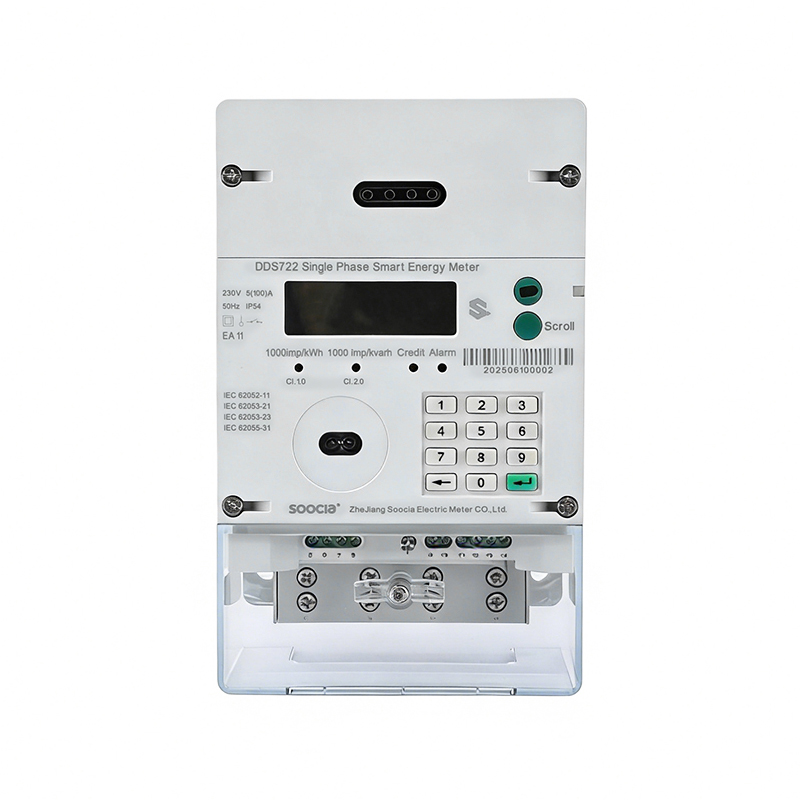
An STS prepaid meter factory typically serves as a key supply point for utilities and electricity vendors that need interoperable prepayment devices based on the Standard Transfer Specification. These facilities produce meters that accept secure 20-digit tokens generated under the STS framework, allowing consumers to purchase electricity credits from vending systems and load them into the meter without requiring a physical card or network connection at the point of recharge.
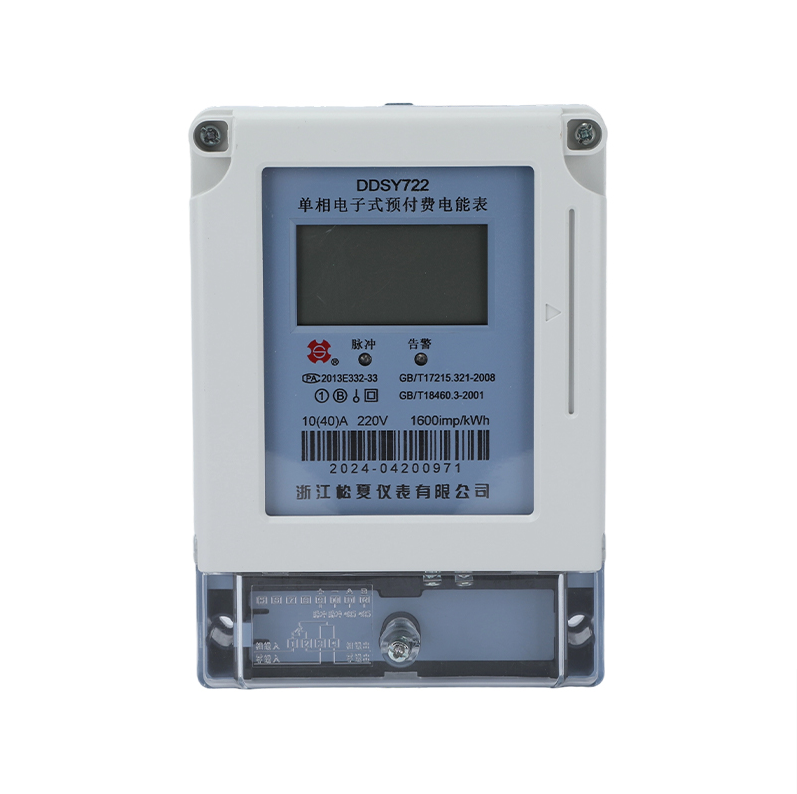
Manufacturers are increasingly configuring production lines to handle both single-phase and three-phase prepaid meters, with growing attention on split-type designs that separate the customer interface from the metering element. Common output categories from a standard production run include:
This product mix reflects the practical need to cover different installation environments while keeping the token-based payment experience consistent across meter types.
A prepaid meter production facility must integrate secure key management and firmware that complies with STS token decoding rules. Each meter is assigned unique cryptographic keys during production, which are linked to the vending system so that purchased tokens work only on the intended device. The manufacturing process typically includes:
The goal is to ensure that a token generated by any compliant vending platform can be accepted by the meter, while preventing token reuse and ensuring each token is accepted only by the intended meter.
Finished meters undergo a series of routine tests before leaving the factory. These checks usually cover metrology accuracy, display operation, keypad response for split units, and the ability to accept both credit and test tokens. For meters intended for outdoor installation, additional attention is given to sealing, UV resistance, and protection against dust and moisture.
Because prepaid meters are often installed in areas with limited technical support, manufacturers place emphasis on simple fault reporting and clear display codes. Some production batches also include a small number of sample meters for independent verification by the purchasing utility.
Utilities planning large prepaid deployments often evaluate production capacity, lead times, and the availability of spare parts before issuing orders. A dependable supply base can help reduce project delays when rollout schedules are tight, especially in regions where new connections are being added rapidly.
Demand patterns show that orders sometimes rise ahead of regulatory deadlines or tariff changes, as utilities seek to complete installations within a defined window. In these cases, production scheduling and component sourcing become as important as the meter design itself.
The STS standard continues to be widely used because it supports offline token generation and works across vending systems from different suppliers. This interoperability gives utilities flexibility when selecting service providers and reduces dependence on a single software vendor.
Looking ahead, prepaid meter manufacturers may need to handle additional requirements such as key change tokens, improved tamper detection, and compatibility with emerging utility management platforms. Still, the basic production model remains focused on delivering meters that accept secure tokens, measure consumption accurately, and perform reliably over a service life that is typically designed for ten years or more.
Recommended Products

With over 30 years of experience in electricity metering, we specialize in the design, manufacturing, and supply of energy meters. Our product portfolio covers multiple series, including mechanical, electronic, and smart meters.
Contact Us
+86-577-62711702
Zhejiang Soocia Electric Meter Co., Ltd.:
No.21-23 Shanggong Road, Shangwu Industrial Zone, Liushi Town, Yueqing City, Zhejiang Province, China
Huaxia Power Transmission And Distribution Equipment Co., Ltd.:
No. 222 Weisan Road, Yueqing Economic Development Zone, Yueqing City, Zhejiang Province, China

Industrial & Commercial Power Systems