中文简体
中文简体
 English
 русский

Quick Product Search
Contact us to learn how we can use our expertise to bring you high-quality products.
2026-08-28
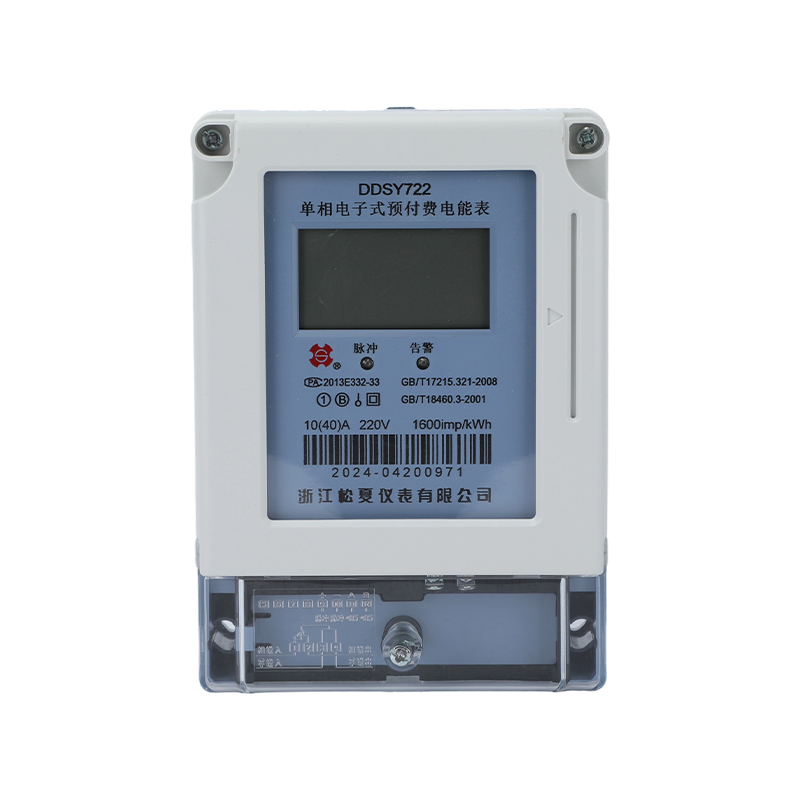
The Three-Phase IC Card Prepaid Energy Meter is becoming a more visible option for utilities, landlords, and facility managers who want to collect electricity payments before consumption and reduce outstanding balances. Unlike postpaid systems that require monthly billing and follow-up collection, this meter allows users to load credit onto an integrated circuit card and transfer it to the meter, which then supplies power according to the available balance.
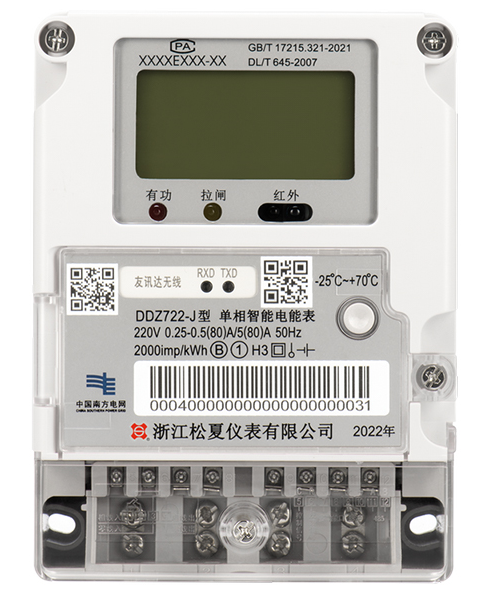
Industry observers say demand for the device remains stable in light industrial sites, small commercial units, and semi-industrial installations where three-phase loads are present and multiple tenants or temporary occupants need separate metering. Typical installations include:
The common factor in these settings is a need for clear cost control and limited credit risk. Property managers report that prepayment reduces disputes over shared consumption and makes move-in and move-out settlements easier.
A user first purchases credit from a utility office, vending station, or approved agent. The credit is written onto an IC card. When the card is inserted into the meter, the remaining balance updates and the meter allows electricity supply until the credit is exhausted. The display typically shows:
When credit falls below a preset threshold, the meter can flash a warning or trigger an alarm relay, depending on the model, so the user has time to recharge. If the balance reaches zero, supply is normally interrupted automatically unless an emergency credit or temporary override has been enabled.
The meter is generally installed at the service entrance of a three-phase supply and wired to measure all phases. Installers must verify phase sequence, and for meters used on higher-current installations, confirm the current transformer ratio. Because the device handles three-phase loads, it is often selected for small workshops, pumping stations, and commercial kitchens rather than single-phase household use.
Regular inspection of card readers and sealing is recommended to prevent dust, moisture, or unauthorized access from affecting operation. Meters are often housed in a sealed enclosure with separate access for the card slot and display.
For utilities and property operators, the practical advantages include reduced billing workload and improved cash flow. Since payment occurs before consumption, there is less need for disconnection notices or debt recovery. For end users, the prepaid model provides a clear view of spending and can encourage lower consumption.
One utility manager involved in a multi-site rollout noted that the meters helped lower overdue accounts in a pilot district, although the results varied depending on recharge convenience and user familiarity with the card system.
Regulatory interest in prepaid metering continues to grow in areas where tariff collection has been difficult. Some local governments are updating technical standards for IC card interoperability and data security to ensure that cards cannot be easily duplicated or altered.
The Three-Phase IC Card Prepaid Energy Meter may remain relevant in markets with limited online payment infrastructure. While networked prepaid meters are gaining attention, the IC card version still offers a practical fallback where communication coverage is inconsistent or where customers prefer physical recharge points.
This mix of practical billing control and straightforward installation is expected to keep the product in use across a range of light industrial and small commercial applications through the end of the decade.
Recommended Products

With over 30 years of experience in electricity metering, we specialize in the design, manufacturing, and supply of energy meters. Our product portfolio covers multiple series, including mechanical, electronic, and smart meters.
Contact Us
+86-577-62711702
Zhejiang Soocia Electric Meter Co., Ltd.:
No.21-23 Shanggong Road, Shangwu Industrial Zone, Liushi Town, Yueqing City, Zhejiang Province, China
Huaxia Power Transmission And Distribution Equipment Co., Ltd.:
No. 222 Weisan Road, Yueqing Economic Development Zone, Yueqing City, Zhejiang Province, China

Industrial & Commercial Power Systems