中文简体
 English
 русский

Quick Product Search
Contact us to learn how we can use our expertise to bring you high-quality products.
2026-11-27
The STS prepaid meter factory plays an important role in supplying electricity metering solutions for utilities, distributors, and engineering procurement and construction (EPC) contractors. As prepaid electricity systems become increasingly relevant in power distribution projects, B2B buyers are paying closer attention to meter standards, product compatibility, manufacturing capabilities, and supplier qualifications. Understanding these factors can help procurement teams make informed purchasing decisions and select suitable prepaid metering products for different project requirements.
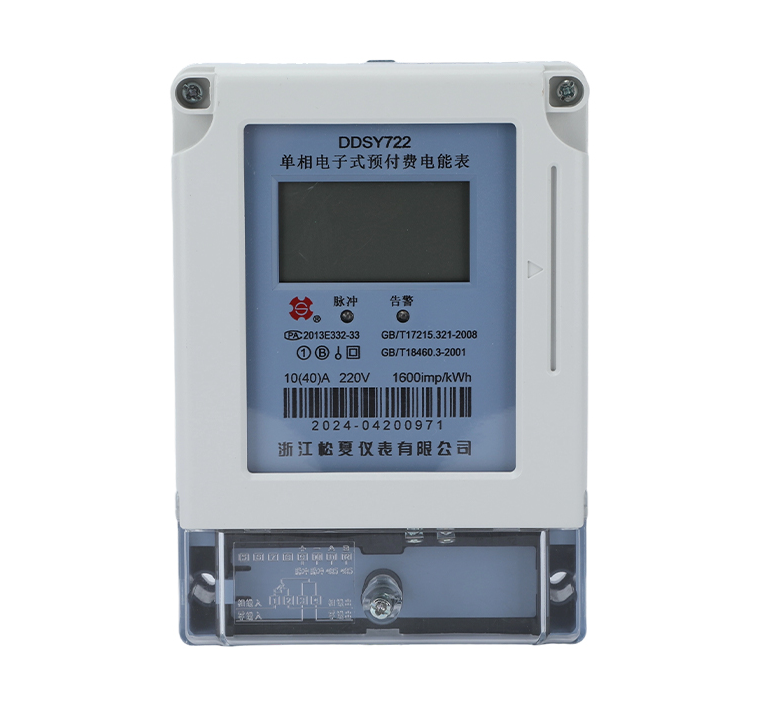
When evaluating electricity metering solutions, B2B buyers often compare STS prepaid meters with traditional postpaid meters. Although both measure electricity consumption, they differ in payment methods, management processes, and user experience.
STS prepaid meters require consumers to purchase electricity credits before using electricity. Traditional meters generally record electricity consumption first, with payment collected through periodic billing.
The following table highlights some key differences:
|
Comparison Item |
STS Prepaid Meter |
Traditional Meter |
|
Payment method |
Pay before consumption |
Pay after consumption |
|
Credit management |
Uses prepaid tokens |
Uses periodic billing |
|
Consumption monitoring |
Displays remaining credit and usage information |
Mainly records accumulated consumption |
|
Revenue management |
Supports prepaid payment management |
Relies on billing and collection |
|
User experience |
Allows users to monitor available credit |
Users receive bills based on recorded usage |
|
Utility management |
Helps manage prepaid accounts |
Requires conventional billing procedures |
For distributors and project contractors, the choice depends on project objectives, local regulations, infrastructure conditions, and customer payment preferences.
STS prepaid meters may be suitable for projects that require structured credit management, while traditional meters may remain appropriate for established postpaid billing systems.
The Standard Transfer Specification (STS) is an internationally recognized standard for prepaid electricity metering. It establishes a common framework for token-based credit transfer between compatible vending systems and electricity meters.
Interoperability is an important consideration for B2B buyers because electricity distribution projects may involve different meter models, vending platforms, and service providers.
The STS framework supports interoperability through several technical features:
· Standardized token format: STS provides a common structure for electricity credit tokens, supporting compatibility between compliant systems.
· Secure token processing: Token encryption and validation mechanisms help protect credit transactions.
· Defined technical requirements: Standardized specifications support consistent implementation across compatible prepaid metering products.
For an STS prepaid meter factory, compliance with relevant STS requirements is an important part of product development and manufacturing quality management.
Buyers should also confirm the applicable STS edition, key management arrangements, vending system compatibility, and local certification requirements before placing an order.
Selecting an appropriate supplier involves more than comparing product prices. EPC contractors need to evaluate manufacturing capabilities, technical specifications, quality management, and project support.
Before making a procurement decision, buyers can consider the following checklist:
Evaluate the supplier's production facilities, assembly processes, testing equipment, and manufacturing capacity. A well-organized production process can help support project delivery schedules and product consistency.
Check whether the proposed meters comply with applicable STS requirements and relevant national or regional standards. Request supporting technical documentation and certification records where applicable.
Compare important product parameters, including:
· Single-phase or three-phase configurations.
· Voltage and current ratings.
· Communication interfaces and available functions.
· Operating temperature and environmental protection ratings.
Ask about incoming material inspection, production testing, calibration, and final product inspection. These procedures provide useful information about the supplier's approach to product quality.
Consider whether the supplier can provide installation guidance, technical documentation, troubleshooting assistance, and spare parts support.
For EPC contractors managing multiple project sites, these factors can contribute to smoother procurement coordination and more predictable project implementation.
Before purchasing prepaid electricity meters, B2B buyers often have questions about technical compatibility, installation, maintenance, and long-term operation.
Here are five common questions to consider:
Q1: What is the difference between an STS prepaid meter and a conventional prepaid meter?
An STS prepaid meter follows the Standard Transfer Specification for token-based electricity credit management. Other prepaid meters may use different proprietary or regional token systems. Buyers should verify compatibility with their existing vending infrastructure.
Q2: Can STS prepaid meters work with different vending systems?
Compatible STS meters can support standardized token processing. However, buyers should confirm the vending platform's compatibility, STS edition, and relevant configuration requirements before purchasing.
Q3: What technical specifications should buyers check?
Important specifications include rated voltage, maximum current, phase configuration, measurement accuracy, communication options, display functions, and operating conditions.
Q4: What certifications should an STS prepaid meter have?
Certification requirements depend on the destination market and project specifications. Buyers may need to review applicable STS compliance documentation, electrical safety certifications, metering accuracy standards, and local utility approvals.
Q5: How can buyers evaluate the reliability of a meter supplier?
Buyers can review factory production capabilities, quality inspection procedures, product testing records, technical documentation, previous project experience, and after-sales service arrangements.
Purchasing STS prepaid electricity meters requires a comprehensive evaluation of product specifications, token interoperability, manufacturing quality, and supplier capabilities. For B2B buyers and EPC contractors, understanding the differences between prepaid and traditional metering systems, reviewing STS compatibility, and following a structured supplier evaluation checklist can support more informed procurement decisions.
A qualified STS prepaid meter factory should be able to provide clear technical documentation, consistent quality management procedures, and product configurations that meet the requirements of different electricity distribution projects.
Recommended Products

With over 30 years of experience in electricity metering, we specialize in the design, manufacturing, and supply of energy meters. Our product portfolio covers multiple series, including mechanical, electronic, and smart meters.
Contact Us
+86-577-62711702
Zhejiang Soocia Electric Meter Co., Ltd.:
No.21-23 Shanggong Road, Shangwu Industrial Zone, Liushi Town, Yueqing City, Zhejiang Province, China
Huaxia Power Transmission And Distribution Equipment Co., Ltd.:
No. 222 Weisan Road, Yueqing Economic Development Zone, Yueqing City, Zhejiang Province, China

Industrial & Commercial Power Systems