中文简体
中文简体
 English
 русский

Quick Product Search
Contact us to learn how we can use our expertise to bring you high-quality products.
2026-01-16
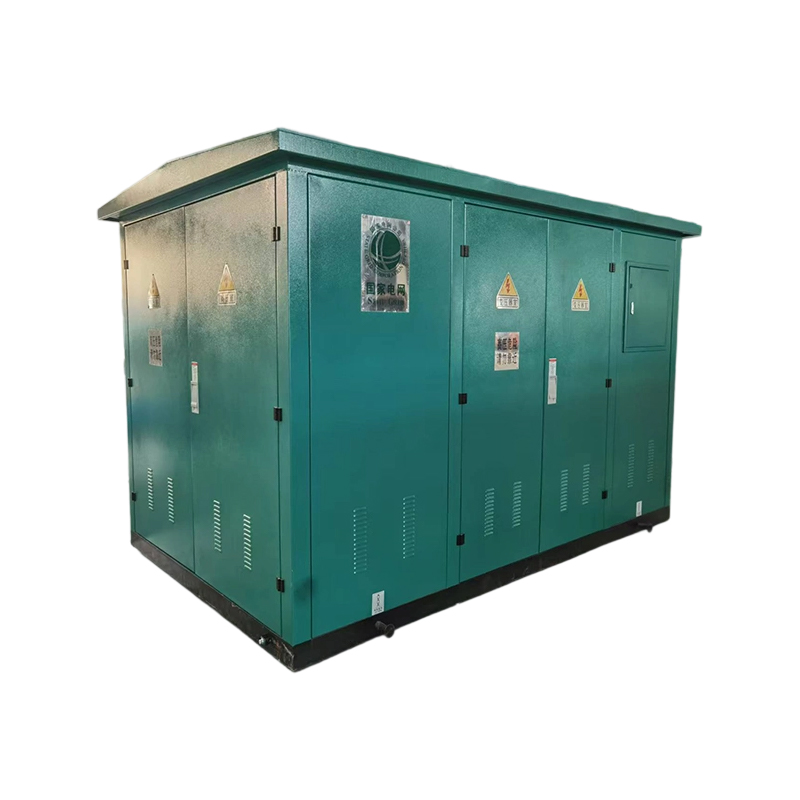
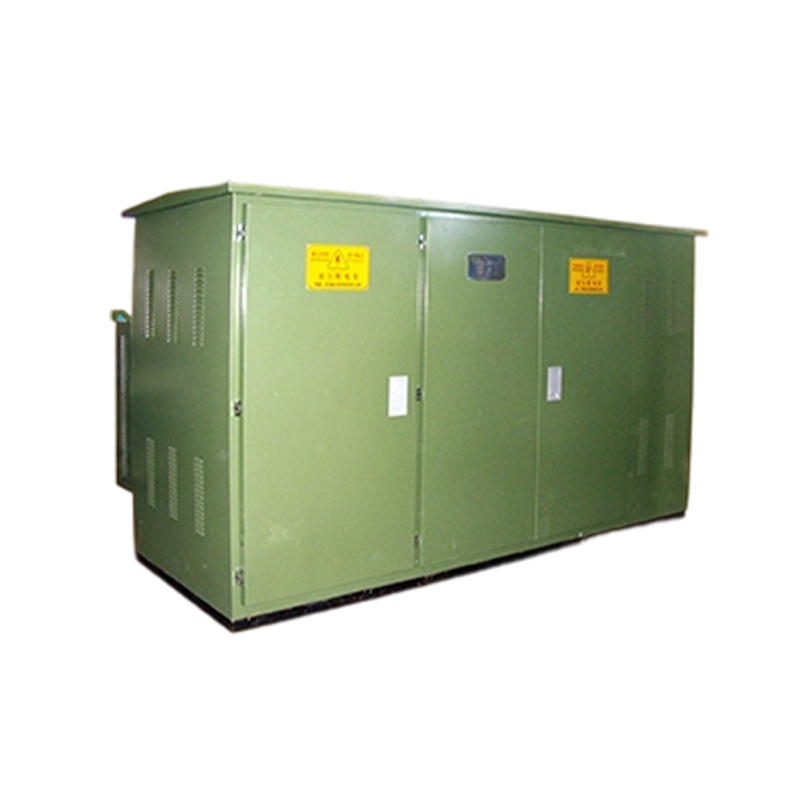
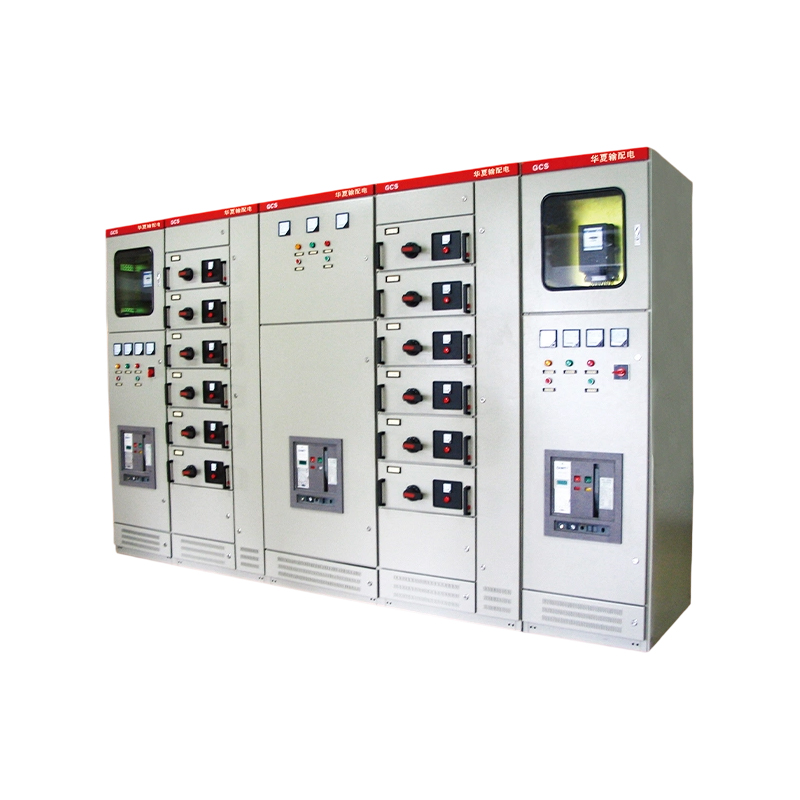
PV Grid-connected Switchgear is crucial for protecting electrical networks linked to solar installations. As photovoltaic (PV) systems—from residential rooftops to utility-scale farms—supply intermittent power to shared grids, robust protection is essential to prevent fault spread and preserve the integrity of both solar infrastructure and the broader power system. Amid global energy transitions, its protective and reliability-enhancing functions are indispensable for grid operators and renewable energy developers.
Without adequate PV grid-connected switchgear, faults from either the solar system or the grid can trigger cascading failures. Common scenarios include short circuits from damaged panels, inverter malfunctions, lightning-induced voltage surges, and frequency deviations due to solar irradiance changes. These events disrupt power supply to users, increase maintenance costs, and cause irreversible damage to expensive equipment (inverters, transformers), advane to prolonged downtime and financial losses.
PV grid-connected switchgear mitigates these risks through efficient, precise fault isolation. Equipped with rapid-response sensors and switches, it detects abnormalities in milliseconds and severs the faulty section’s connection, limiting impact to local areas. For example, a malfunctioning PV panel string can be isolated without disrupting power from other panels, minimizing output loss.
PV grid-connected switchgear integrates advanced protection mechanisms tailored to solar systems. Core functions include overcurrent protection (interrupting excess current from short circuits/overloads), overvoltage/undervoltage protection (triggering disconnection for voltage deviations), and frequency protection (responding to solar-induced grid frequency irregularities). Modern models also add arc fault protection (mitigating fire risks) and anti-islanding protection (preventing power supply to disconnected grid sections, a hazard for maintenance).
These mechanisms work together to prevent equipment stress, reduce wear, and maintain grid reliability. Rapid (microsecond-level) response minimizes fault duration, reduces downtime, and ensures consistent energy delivery—critical for solar systems, where output variability already challenges grid stability; without it, minor faults could escalate.
A key advantage of PV grid-connected switchgear is controlled isolation, which disconnects faulty or maintenance-requiring sections while keeping others operational. Unlike full-system shutdowns, this targeted approach minimizes downtime and simplifies maintenance. For example, an inverter can be isolated for servicing without affecting other inverters or grid operation, enhancing network reliability and worker safety.
Controlled isolation also supports load balancing and energy flow optimization. During peak solar output, if the grid is overloaded, non-critical PV sections can be selectively disconnected, ensuring efficient power transmission and enhancing solar system adaptability to grid conditions.
PV grid-connected switchgear supports reliable network interaction across all solar project scales. Small-scale (residential/commercial rooftop) setups use compact, cost-effective models for low-voltage grid connection. Large-scale solar farms deploy high-voltage switchgear to manage megawatt-level outputs and protect transmission lines. It also plays a central role in distributed networks like solar-storage microgrids, coordinating power flow and protecting internal and main grid connections.
Its protective role is vital for stable power systems as solar energy’s share in global electricity grows. Grid operators’ efforts to integrate more intermittent renewables make effective protection strategies increasingly critical for network reliability.
Electrical network reliability relies on effective protection, and PV Grid-connected Switchgear is a cornerstone. By precisely isolating faults, dynamically managing power flow, and ensuring stable interconnected operation, it mitigates risks and boosts confidence in renewable adoption. As the global clean energy transition accelerates, its role in safeguarding networks and enhancing reliability will grow, making it a key component of modern energy infrastructure.
Recommended Products

With over 30 years of experience in electricity metering, we specialize in the design, manufacturing, and supply of energy meters. Our product portfolio covers multiple series, including mechanical, electronic, and smart meters.
Contact Us
+86-577-62711702
Zhejiang Soocia Electric Meter Co., Ltd.:
No.21-23 Shanggong Road, Shangwu Industrial Zone, Liushi Town, Yueqing City, Zhejiang Province, China
Huaxia Power Transmission And Distribution Equipment Co., Ltd.:
No. 222 Weisan Road, Yueqing Economic Development Zone, Yueqing City, Zhejiang Province, China

Industrial & Commercial Power Systems