中文简体
中文简体
 English
 русский

Quick Product Search
Contact us to learn how we can use our expertise to bring you high-quality products.
2026-01-09
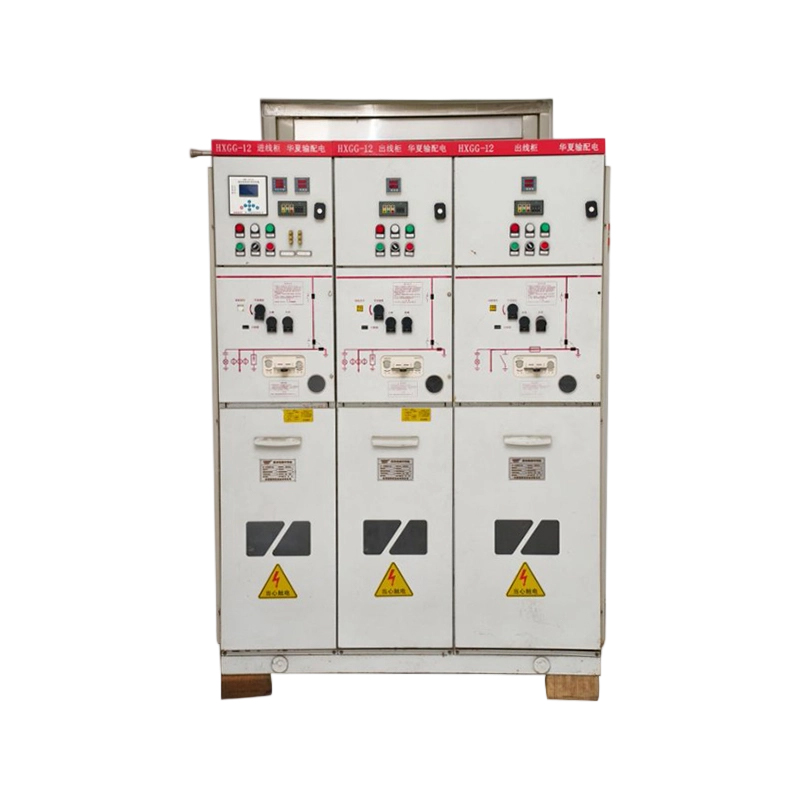
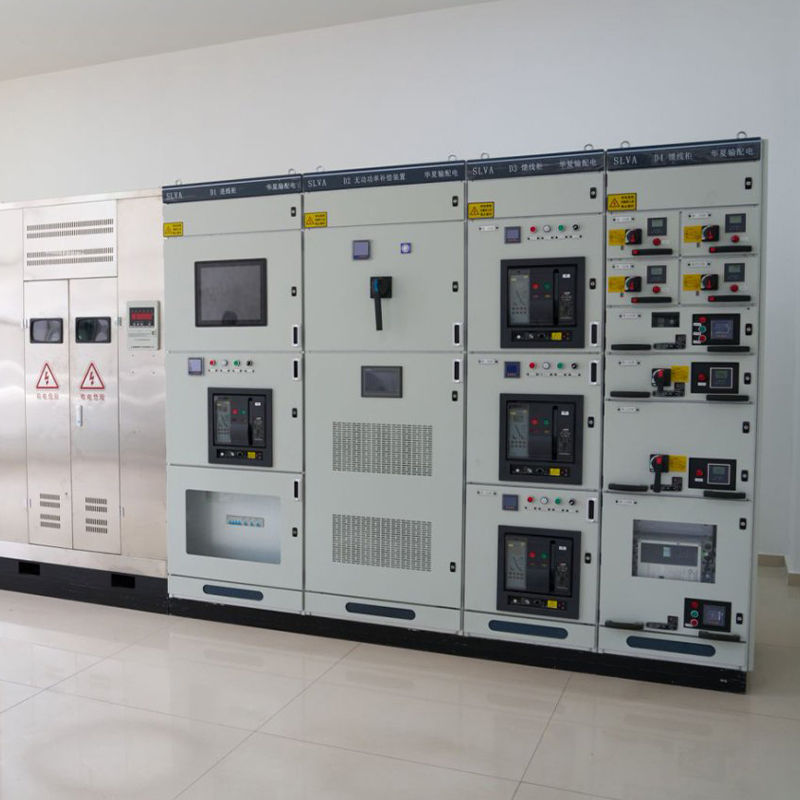
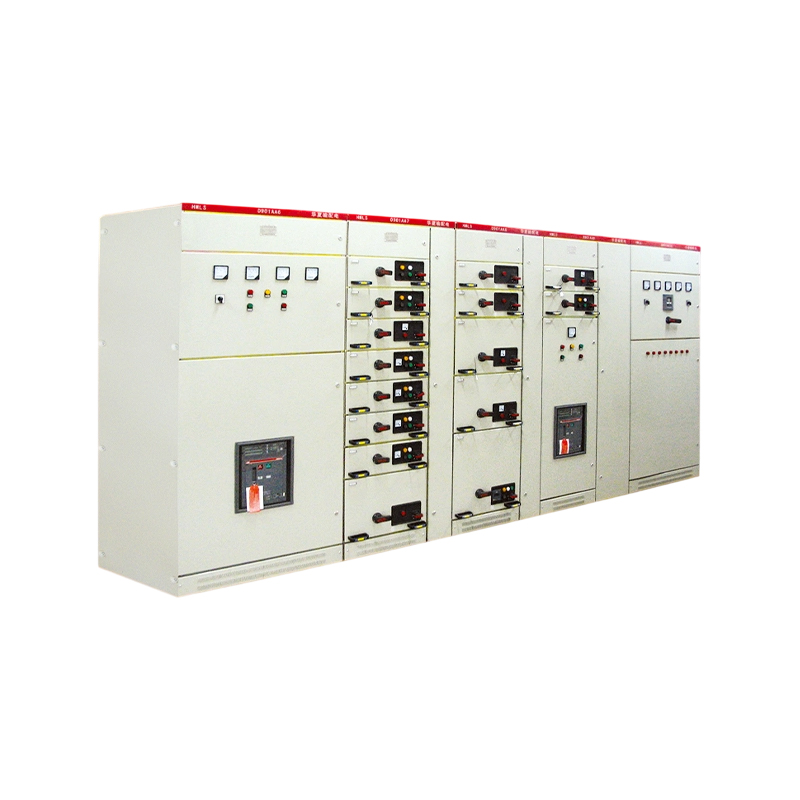
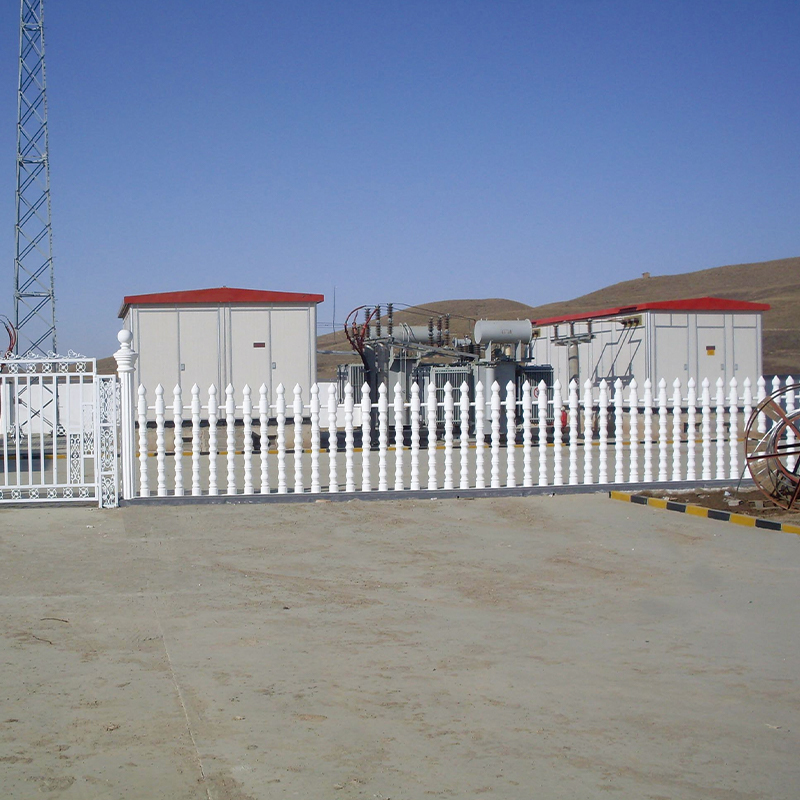
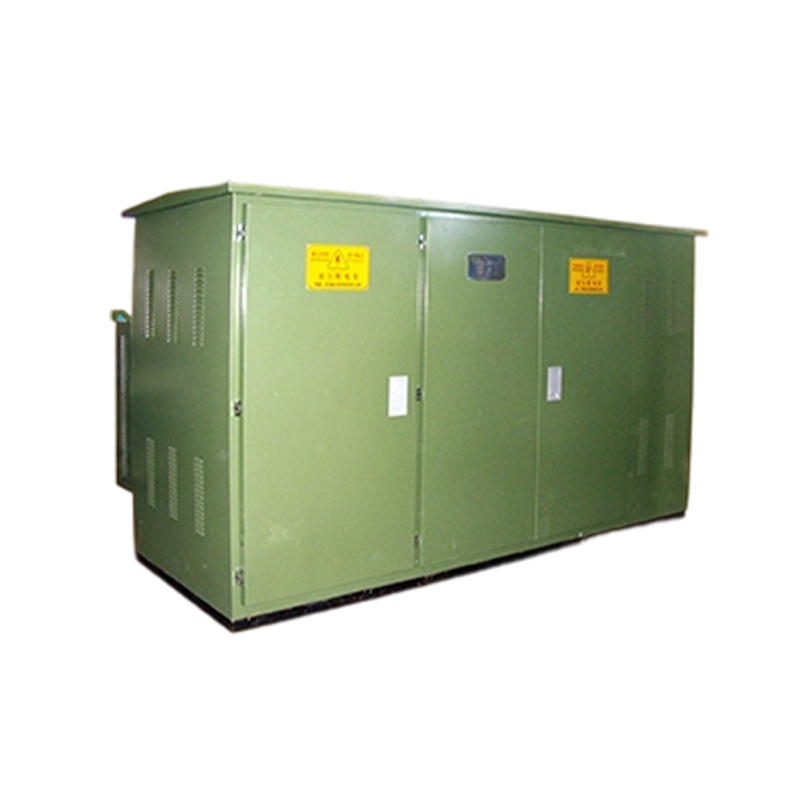
PV Grid-connected Switchgear is a key component supporting the integration of solar energy into existing electrical networks. As renewable energy adoption expands globally amid the urgent drive for carbon neutrality, electrical systems must not only accommodate new power sources but also maintain reliable, efficient, and safe operation. Grid-connected switchgear serves as a critical "bridge" in this process, enabling controlled, stable interaction between photovoltaic (PV) systems and utility grids by regulating power transmission, isolating faulty sections, and synchronizing energy flow with grid demands.
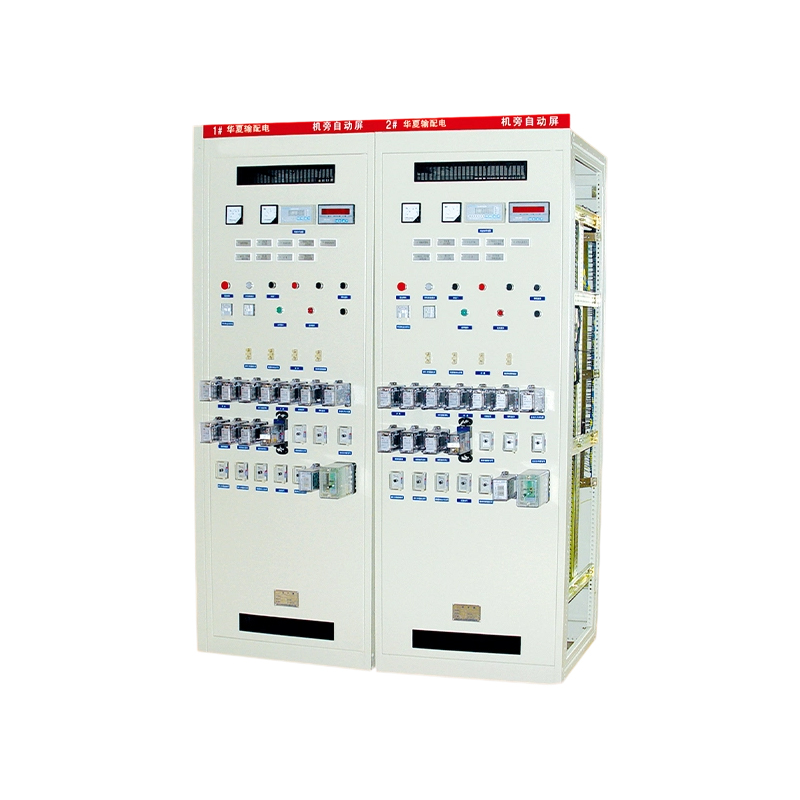
Integrating renewable energy presents unique technical challenges that traditional electrical infrastructure was not originally designed to address. Solar power generation is inherently intermittent, varying significantly based on environmental conditions such as sunlight intensity, cloud cover, and weather changes—factors that can cause sudden fluctuations in output voltage and current. Electrical networks, which rely on a stable power supply to meet residential, commercial, and industrial needs, must handle these variations without compromising overall stability, safety, or power quality (such as voltage sags or frequency deviations).
Grid-connected switchgear addresses these challenges by providing comprehensive isolation, precise control, and robust protection capabilities. Equipped with advanced sensors and intelligent control modules, these devices can real-time monitor PV output and grid parameters, automatically adjusting power transmission levels or isolating the PV system from the grid when fluctuations exceed safe thresholds. These functions ensure that photovoltaic systems operate within acceptable electrical parameters while remaining tightly synchronized with grid requirements, mitigating the risks of equipment damage or grid disruption.
Electrical grids are designed to operate within strictly defined voltage and frequency ranges (e.g., 220V/50Hz in many regions of Asia, 120V/60Hz in North America). Even minor deviations from these ranges can damage sensitive electrical equipment, disrupt industrial production, or cause blackouts. Grid-connected switchgear plays a pivotal role in maintaining compatibility by rapidly responding to parameter deviations—for instance, activating voltage regulators or frequency stabilizers when anomalies occur—and facilitating proper, low-impact disconnection when conditions fall outside acceptable limits for an extended period.
This controlled response not only protects both the renewable energy installation (such as PV panels, inverters, and storage systems) and the broader electrical network but also supports smooth reconnection once normal conditions are restored. This seamless transition is particularly important for maintaining a continuous power supply to end-users and the utilization of solar energy, as prolonged disconnection would result in wasted renewable resources.
Effective renewable energy integration requires seamless coordination between various system components, including PV arrays, inverters, energy storage systems, protection devices, monitoring platforms, and grid dispatch centers. Switchgear serves as a central control and communication hub in this ecosystem, enabling real-time data exchange between these components. For example, it can transmit PV output data to the grid dispatch center, receive control signals to adjust power injection levels, and coordinate with protection devices to trigger rapid shutdowns in case of faults (such as short circuits or lightning strikes).
This coordination significantly improves system responsiveness and contributes to efficient energy flow management. By ensuring that solar energy is integrated into the grid in a predictable and controllable manner, switchgear helps grid operators better balance supply and demand, optimize power distribution, and reduce the reliance on fossil fuel-based backup power. These capabilities are essential for the long-term expansion of renewable energy, as they address the core concerns of grid operators regarding stability and reliability.
Whether used in distributed rooftop PV installations (such as residential or commercial rooftops) or large-scale centralized solar facilities (such as utility-scale solar farms), grid-connected switchgear provides consistent, tailored protection and control functions. In distributed systems, compact and modular switchgear designs are often employed to fit limited installation spaces, while in centralized facilities, high-voltage, high-capacity switchgear is used to handle large power outputs (often in the megawatt or gigawatt range). Its adaptability to diverse voltage levels, power capacities, and installation environments makes it suitable for a wide range of renewable energy applications, from small-scale residential setups to industrial-scale solar power plants.
Renewable energy integration ultimately depends on reliable, intelligent electrical infrastructure, and PV Grid-connected Switchgear is an indispensable part of this infrastructure. By effectively managing grid interaction, improving compatibility between PV systems and traditional grids, and enhancing overall system coordination, it lays a solid foundation for the widespread adoption of solar energy. As the global transition to clean energy accelerates, the role of PV grid-connected switchgear will become even more fundamental to the continued development of solar energy within modern power networks, supporting the achievement of global carbon reduction goals and a more sustainable energy future.
Recommended Products

With over 30 years of experience in electricity metering, we specialize in the design, manufacturing, and supply of energy meters. Our product portfolio covers multiple series, including mechanical, electronic, and smart meters.
Contact Us
+86-577-62711702
Zhejiang Soocia Electric Meter Co., Ltd.:
No.21-23 Shanggong Road, Shangwu Industrial Zone, Liushi Town, Yueqing City, Zhejiang Province, China
Huaxia Power Transmission And Distribution Equipment Co., Ltd.:
No. 222 Weisan Road, Yueqing Economic Development Zone, Yueqing City, Zhejiang Province, China

Industrial & Commercial Power Systems