中文简体
 English
 русский

Quick Product Search
Contact us to learn how we can use our expertise to bring you high-quality products.
2026-11-06
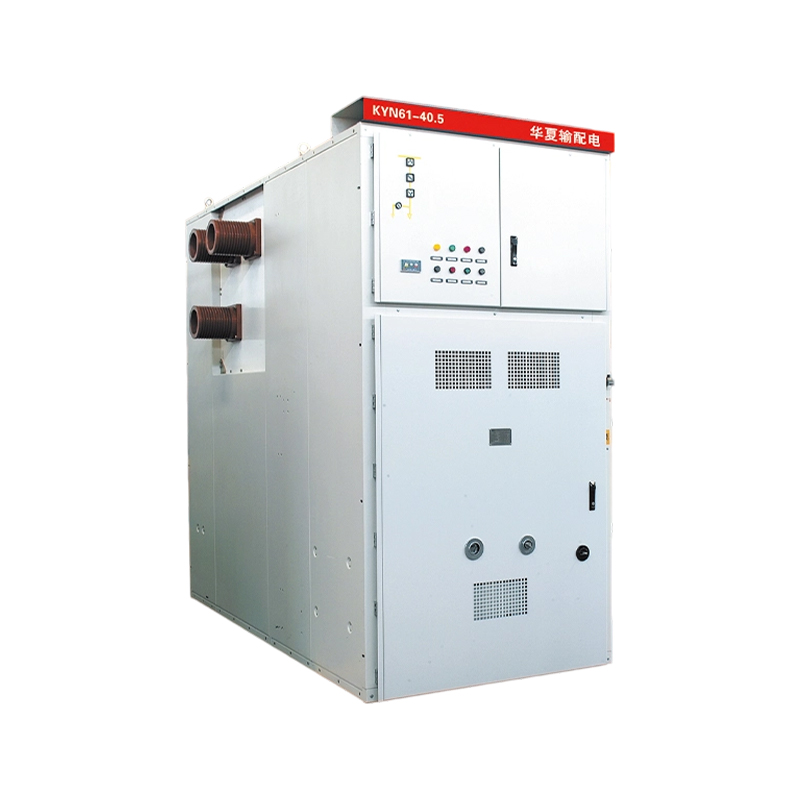
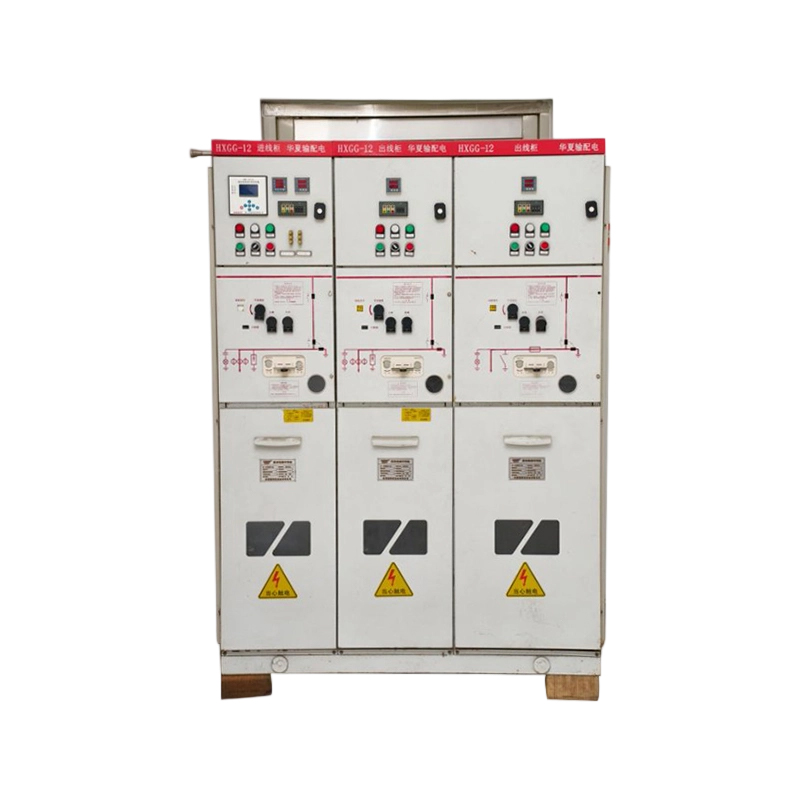
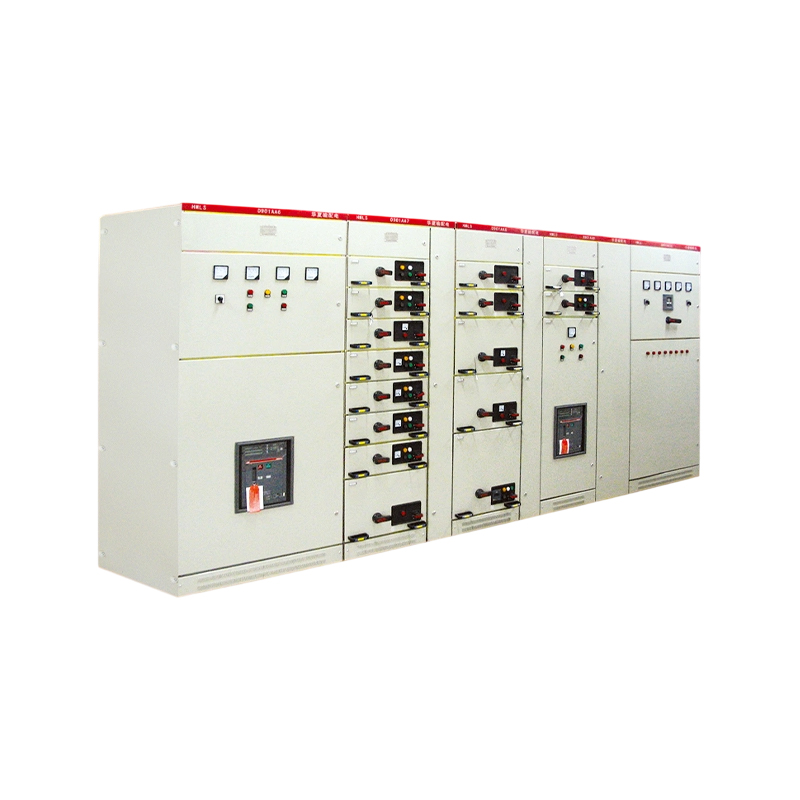
The PV Grid-connected Switchgear Factory plays an important role in supporting the connection of photovoltaic (PV) power generation systems to electrical grids. As solar energy projects continue to develop across residential, commercial, and industrial sectors, the demand for reliable grid-connected electrical equipment is receiving increased attention. Switchgear designed for photovoltaic applications helps manage electrical distribution, protect connected equipment, and support stable power transmission from solar installations to the grid.
The expansion of renewable energy projects has increased the need for electrical equipment that can accommodate different photovoltaic system configurations. Grid-connected switchgear serves as an essential part of the electrical infrastructure, providing control and protection functions between solar power generation facilities and distribution networks.
With the development of larger solar installations, project operators are paying closer attention to equipment compatibility, electrical safety, and long-term operational requirements.
what buyers often overlook
Many procurement teams focus on rated voltage and current when comparing switchgear, but grid-connected PV projects also depend on protection coordination, short-circuit withstand capacity, and environmental ratings. These factors are less visible on a datasheet but directly affect long-term reliability.
PV grid-connected switchgear integrates several electrical components to support the operation of solar power systems. Its main functions generally include:
These functions contribute to the coordination of photovoltaic power generation equipment with grid infrastructure.
Different photovoltaic projects have different voltage levels, installation environments, and grid connection requirements. Therefore, switchgear configuration needs to be selected according to the technical specifications of each project.
The table below summarizes the main selection parameters and their typical considerations in PV grid-connected projects.
|
Selection Parameter |
What It Covers |
Why It Matters in PV Projects |
|
Rated voltage & current |
System voltage level, continuous current rating |
Must match inverter output and grid connection point |
|
Short-circuit withstand capacity |
Rated short-time withstand current and duration |
Protects equipment under fault conditions |
|
Protection configuration |
Circuit breakers, disconnectors, protective relays |
Ensures coordination with inverters and upstream protection |
|
Enclosure & IP rating |
Indoor/outdoor housing, ingress protection level |
Affects suitability for dust, humidity, and outdoor installation |
|
Environmental conditions |
Temperature range, altitude, humidity |
Influences component derating and service life |
|
Communication & monitoring |
Supported protocols, remote monitoring interfaces |
Supports operational visibility and maintenance planning |
|
Applicable standards |
IEC or local grid code compliance |
Required for grid connection approval and procurement acceptance |
A suitable configuration helps ensure that the switchgear can operate in coordination with other electrical equipment within the photovoltaic installation.
procurement checklist: five questions to ask suppliers
Grid-connected photovoltaic systems need to comply with applicable electrical standards and grid connection regulations. Switchgear provides an important interface for controlling and protecting electrical circuits during normal operation and abnormal conditions.
In practical applications, coordination between switchgear, inverters, transformers, and protection systems is an important consideration. Proper equipment matching and electrical design can help reduce operational risks and support consistent power delivery.
Regular inspections also contribute to equipment reliability. Maintenance activities may include checking electrical connections, examining switching mechanisms, testing protective devices, and monitoring insulation conditions.
common mistakes in PV switchgear selection
The manufacturing process of photovoltaic grid-connected switchgear involves several stages, including component selection, enclosure processing, electrical assembly, wiring, and quality inspection.
Production quality management generally focuses on two important areas:
These procedures help verify that finished equipment meets the technical and safety requirements established for its intended application.
factory audit: key areas to inspect
For buyers sourcing switchgear from overseas suppliers, a factory audit can confirm production capability and quality control. Key areas include component traceability, assembly procedures, test equipment calibration, and the availability of type test reports.
As photovoltaic technology continues to evolve, grid-connected electrical equipment is also developing toward more integrated and intelligent solutions. Digital monitoring, remote operating functions, and improved protection coordination are becoming relevant considerations in modern solar power projects.
In addition, the growing integration of energy storage systems is creating new requirements for electrical distribution and protection configurations. Switchgear solutions may need to accommodate more complex energy management structures while maintaining compatibility with existing grid infrastructure.
digital monitoring and remote operation
Modern switchgear increasingly supports communication interfaces that allow operators to review equipment status remotely. This trend is closely linked to the broader adoption of digital substations and centralized energy management platforms.
integration with energy storage systems
As PV projects increasingly include battery storage, switchgear configurations may need to accommodate bidirectional power flow and additional protection requirements. Buyers should confirm that selected equipment can support future storage integration.
The PV Grid-connected Switchgear Factory represents an important part of the photovoltaic electrical equipment supply chain. Through appropriate equipment design, standardized manufacturing processes, and systematic quality inspection, PV grid-connected switchgear can support the safe connection and operation of solar power generation systems. As renewable energy installations continue to expand, the development of reliable switchgear solutions will remain an important aspect of modern photovoltaic infrastructure.
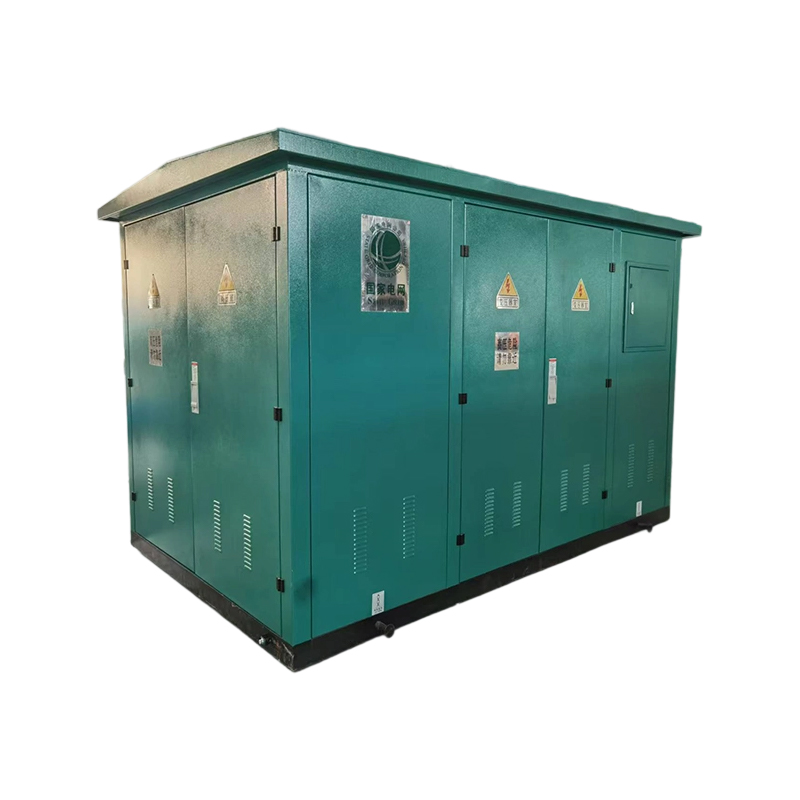
Recommended Products

With over 30 years of experience in electricity metering, we specialize in the design, manufacturing, and supply of energy meters. Our product portfolio covers multiple series, including mechanical, electronic, and smart meters.
Contact Us
+86-577-62711702
Zhejiang Soocia Electric Meter Co., Ltd.:
No.21-23 Shanggong Road, Shangwu Industrial Zone, Liushi Town, Yueqing City, Zhejiang Province, China
Huaxia Power Transmission And Distribution Equipment Co., Ltd.:
No. 222 Weisan Road, Yueqing Economic Development Zone, Yueqing City, Zhejiang Province, China

Industrial & Commercial Power Systems