中文简体
 English
 русский

Quick Product Search
Contact us to learn how we can use our expertise to bring you high-quality products.
2026-10-30
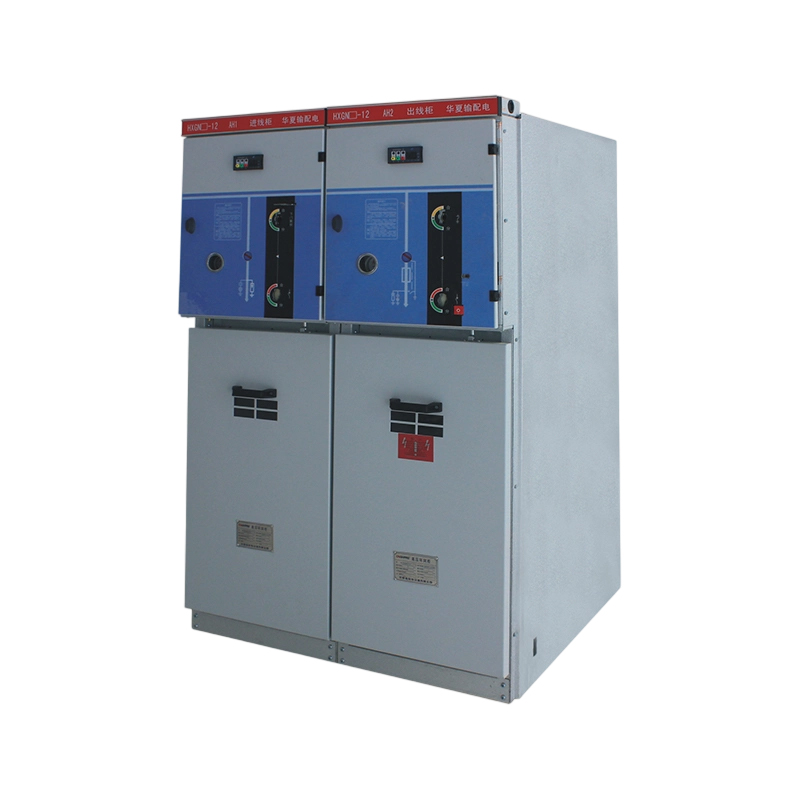
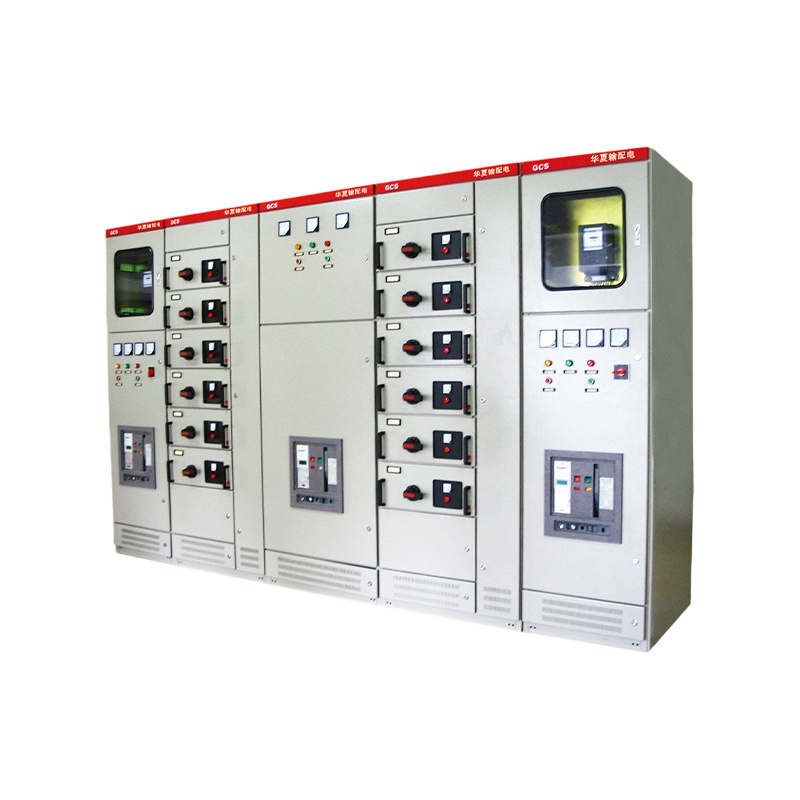
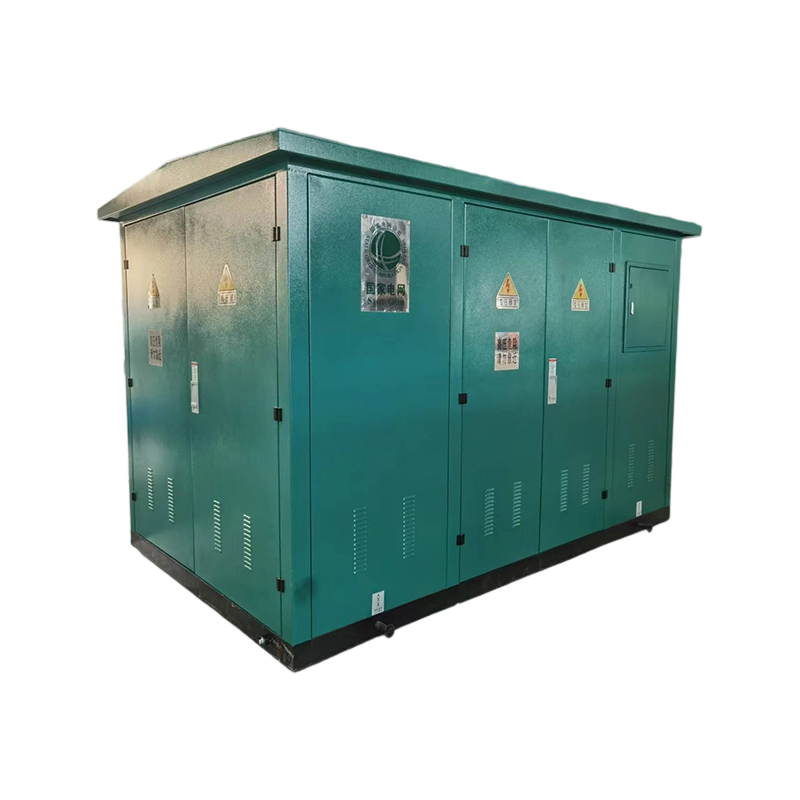
The Metal-Enclosed Ring Main Unit is becoming an important component in modern power distribution systems, supporting reliable electricity delivery across commercial buildings, industrial facilities, residential developments, and infrastructure projects. With a compact structure and integrated switching functions, this equipment helps operators manage power distribution, isolate electrical circuits, and maintain operational flexibility. Its enclosed metal housing also provides a structured environment for internal electrical components, supporting equipment protection and routine maintenance.
Space utilization is an important consideration in electrical infrastructure planning. A Metal-Enclosed Ring Main Unit combines several switching and control functions within a metal-enclosed structure, making it suitable for installations where available space requires careful management.
Its design can support different distribution layouts according to project requirements. Engineers can select suitable configurations based on rated voltage, current capacity, installation conditions, and operational needs. This flexibility allows the equipment to be considered for indoor substations, commercial complexes, industrial plants, and urban distribution networks.
The design of a Metal-Enclosed Ring Main Unit focuses on electrical switching, circuit management, and equipment protection. Depending on its configuration, the unit may incorporate load break switches, circuit breakers, earthing switches, and monitoring components.
Several practical features contribute to its role in power distribution:
These features allow project designers to consider operational requirements, installation conditions, and maintenance arrangements when selecting suitable equipment.
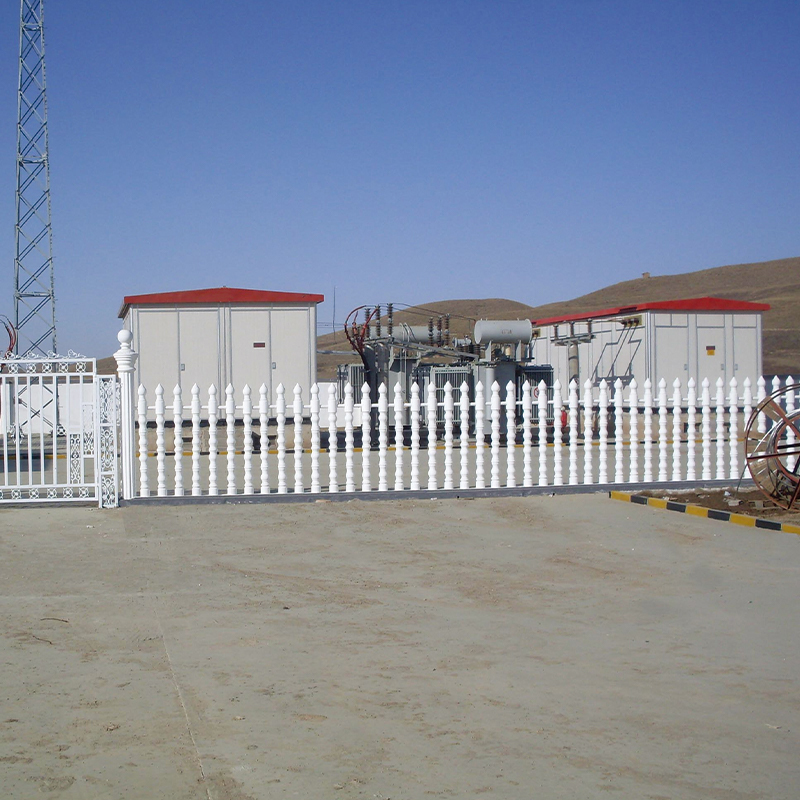
Metal-Enclosed Ring Main Units are used in various medium-voltage distribution applications. Their configuration can be adapted to different network structures and load requirements, making them relevant to multiple sectors.
Typical applications include:
The appropriate unit depends on factors such as network topology, load characteristics, environmental conditions, and applicable electrical standards. A careful assessment of these factors helps ensure that the selected equipment aligns with the intended installation.
Electrical safety remains an important part of medium-voltage equipment selection and operation. When evaluating a Metal-Enclosed Ring Main Unit, engineers should review the enclosure design, insulation system, switching mechanism, and available interlocking arrangements.
Routine inspection can help identify changes in equipment condition and support planned maintenance activities. Maintenance procedures should follow the manufacturer's technical documentation and applicable safety requirements.
Key considerations include checking mechanical operating mechanisms, inspecting accessible connections where permitted, reviewing protection and monitoring functions, and confirming that earthing arrangements meet the installation requirements. Qualified personnel should carry out inspection and servicing in accordance with established procedures.
Power distribution networks are evolving as infrastructure projects place greater emphasis on operational visibility, equipment monitoring, and efficient maintenance planning. These developments are encouraging interest in distribution equipment that can accommodate monitoring interfaces and support structured operational management.
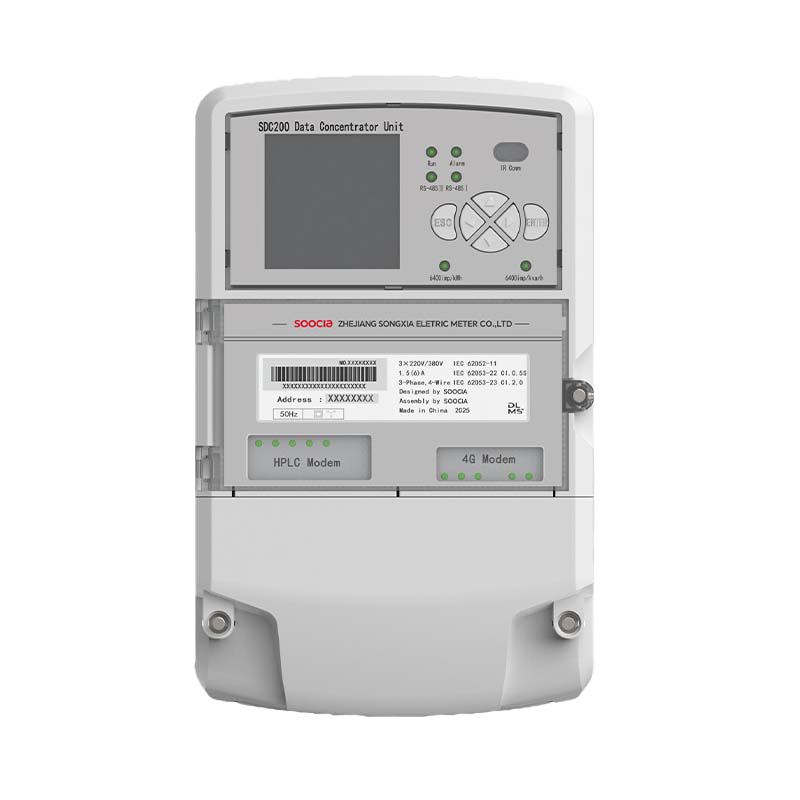
Depending on the product configuration, a Metal-Enclosed Ring Main Unit may be integrated with remote monitoring devices, communication systems, or digital control solutions. These functions can help operators obtain equipment status information and coordinate maintenance activities.
As electrical networks develop, equipment selection is expected to remain closely connected to project-specific requirements, technical standards, lifecycle costs, and maintenance capabilities.
The Metal-Enclosed Ring Main Unit plays a practical role in medium-voltage power distribution by combining switching functions with an enclosed equipment structure. Its suitability for different installation environments, along with its potential integration with monitoring and control systems, makes it a relevant option for modern electrical infrastructure. By evaluating technical specifications, safety provisions, environmental conditions, and maintenance requirements, project teams can select configurations that support their distribution objectives and long-term operational planning.
Recommended Products

With over 30 years of experience in electricity metering, we specialize in the design, manufacturing, and supply of energy meters. Our product portfolio covers multiple series, including mechanical, electronic, and smart meters.
Contact Us
+86-577-62711702
Zhejiang Soocia Electric Meter Co., Ltd.:
No.21-23 Shanggong Road, Shangwu Industrial Zone, Liushi Town, Yueqing City, Zhejiang Province, China
Huaxia Power Transmission And Distribution Equipment Co., Ltd.:
No. 222 Weisan Road, Yueqing Economic Development Zone, Yueqing City, Zhejiang Province, China

Industrial & Commercial Power Systems