中文简体
 English
 русский

Quick Product Search
Contact us to learn how we can use our expertise to bring you high-quality products.
2026-10-23
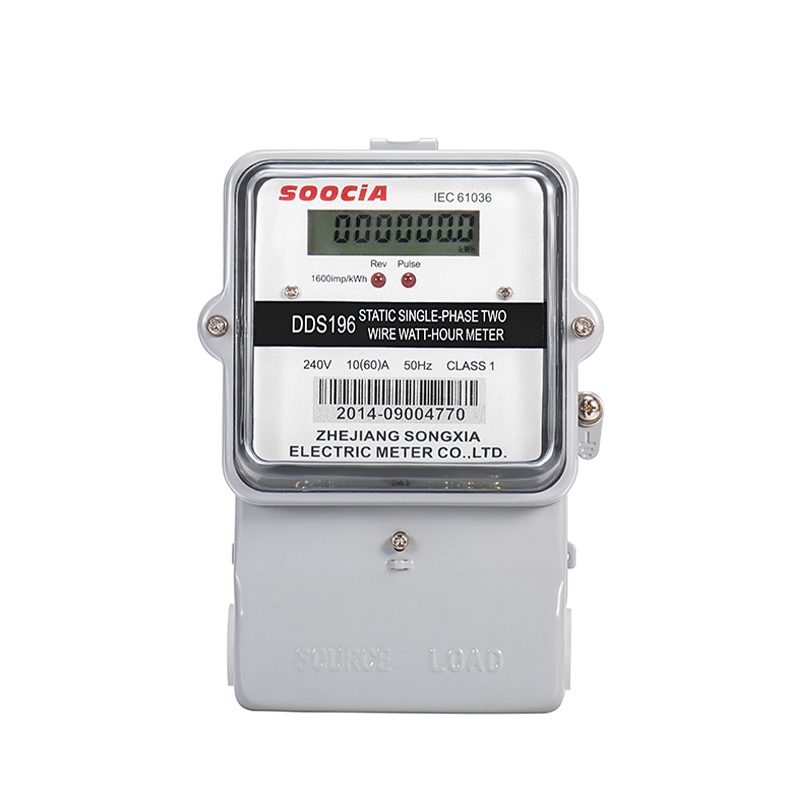
The Single-Phase Prepaid PLC Energy Meter is attracting attention in electricity metering applications as residential property managers and small commercial users explore practical ways to manage power consumption and prepaid billing. By combining electricity measurement with power line communication (PLC) technology, this type of meter enables data transmission through existing electrical wiring under suitable network conditions. It offers an approach to integrating consumption monitoring and prepaid management while supporting digital electricity service operations.
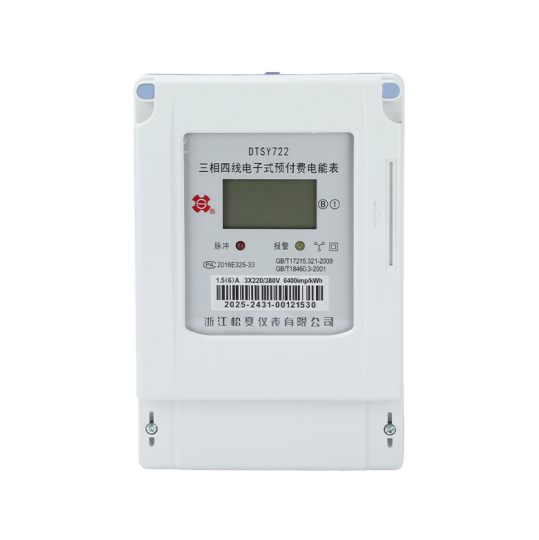
A single-phase prepaid PLC energy meter measures electricity consumption and manages prepaid credit according to its configured operating rules. Users can purchase electricity credit in advance, while the meter tracks energy usage and updates the remaining balance as electricity is consumed.
PLC technology enables communication between compatible devices through electrical wiring, potentially reducing the need for additional communication cables. Depending on the system design, meter data can be transmitted to a central management platform for billing, monitoring, and routine operational tasks.
Accurate consumption data helps users understand their electricity usage and supports more organized energy management. With compatible communication equipment, a prepaid PLC meter can transmit readings and operating information to a designated data collection system.
Two functions are particularly relevant to daily operation:
Single-phase prepaid PLC energy meters can be considered for apartment buildings, rental properties, small shops, and other premises using suitable single-phase electrical systems. In multi-unit properties, prepaid metering can help property managers organize electricity billing for individual occupants and maintain consumption records.
The use of existing electrical wiring for data communication may simplify deployment in some buildings. However, the suitability of PLC communication should be evaluated before installation because electrical interference, wiring layout, and network structure can affect signal quality.
For projects involving multiple meters, compatibility between the meters, data concentrators, and management platform is also important. A coordinated system design can help maintain consistent data collection and support routine administration.
Selecting a suitable meter requires an assessment of electrical requirements and communication capabilities. Rated voltage, current range, measurement accuracy, and compliance with applicable standards should be checked against the intended installation.
Communication compatibility is another important consideration. Project planners should verify the supported PLC protocol and confirm whether the meter can integrate with the existing data collection equipment. Prepaid functions, balance display, warning settings, and relay control should also be reviewed according to the requirements of the electricity service.
Before deployment, qualified technicians should check wiring connections, installation conditions, and configuration settings. Following product documentation and local electrical safety regulations helps establish an appropriate foundation for reliable operation.
Digital electricity management continues to create opportunities for improved meter data collection and billing administration. Single-phase prepaid PLC energy meters can contribute to these developments by combining electricity measurement with communication capabilities in a single metering solution.
Future system designs may focus on software integration, improved data analysis, and compatibility with centralized energy management platforms. The effectiveness of these developments will depend on infrastructure conditions, technical standards, cybersecurity practices, and the needs of individual projects.
By evaluating electrical specifications, communication performance, and prepaid management requirements together, users can make more informed decisions when selecting a metering solution. A well-planned installation can support organized electricity billing and provide useful consumption information for residential and small commercial applications.
Recommended Products

With over 30 years of experience in electricity metering, we specialize in the design, manufacturing, and supply of energy meters. Our product portfolio covers multiple series, including mechanical, electronic, and smart meters.
Contact Us
+86-577-62711702
Zhejiang Soocia Electric Meter Co., Ltd.:
No.21-23 Shanggong Road, Shangwu Industrial Zone, Liushi Town, Yueqing City, Zhejiang Province, China
Huaxia Power Transmission And Distribution Equipment Co., Ltd.:
No. 222 Weisan Road, Yueqing Economic Development Zone, Yueqing City, Zhejiang Province, China

Industrial & Commercial Power Systems