中文简体
中文简体
 English
 русский

Quick Product Search
Contact us to learn how we can use our expertise to bring you high-quality products.
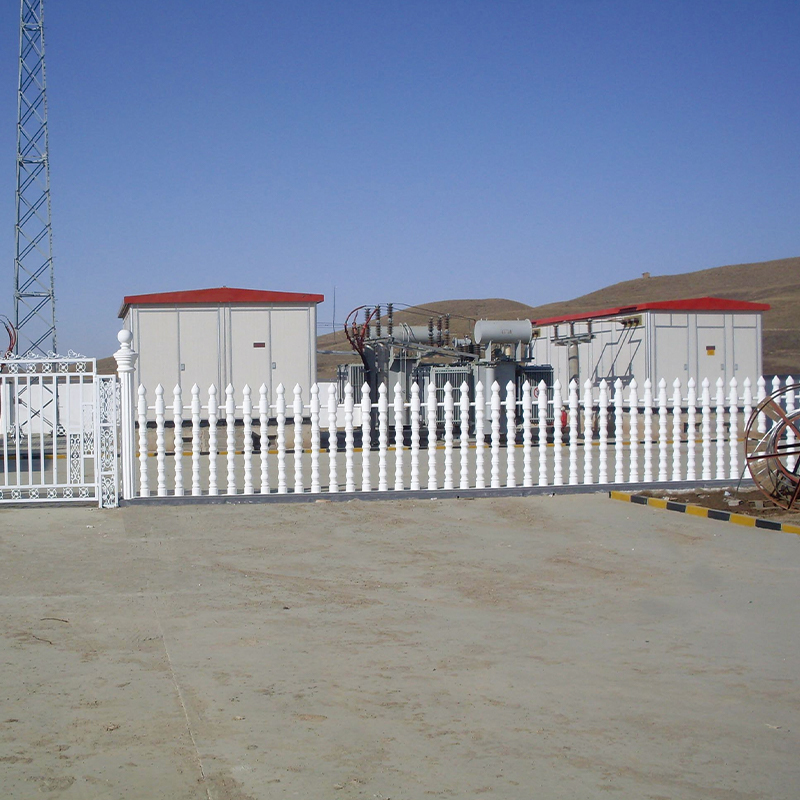
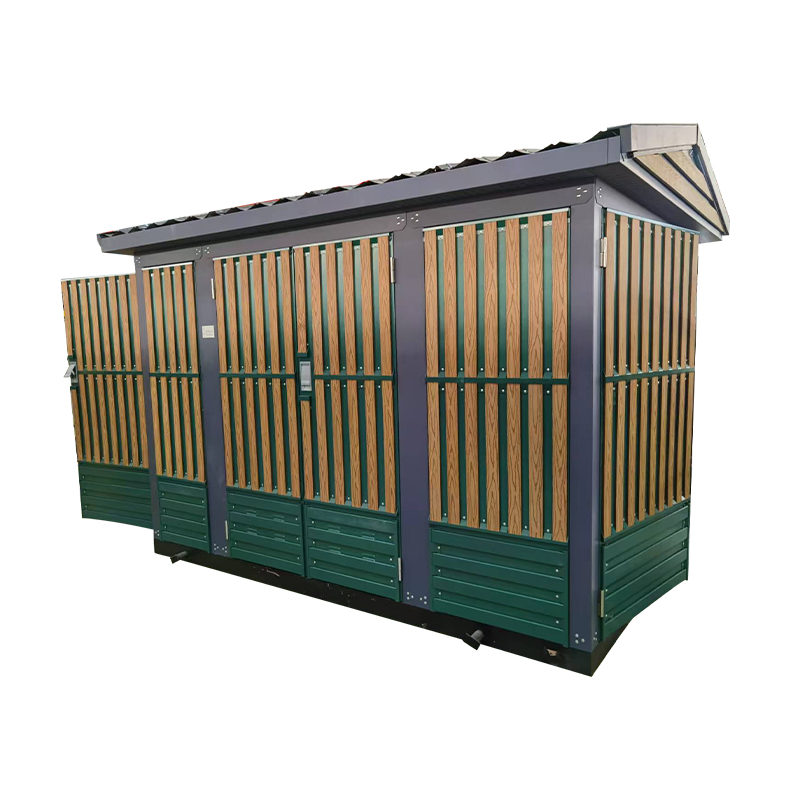
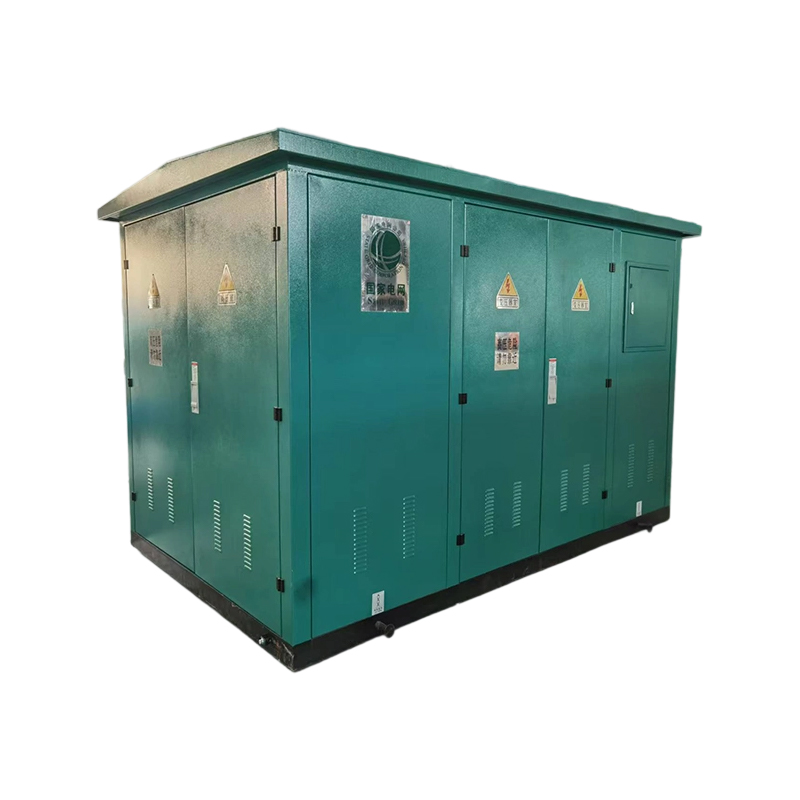
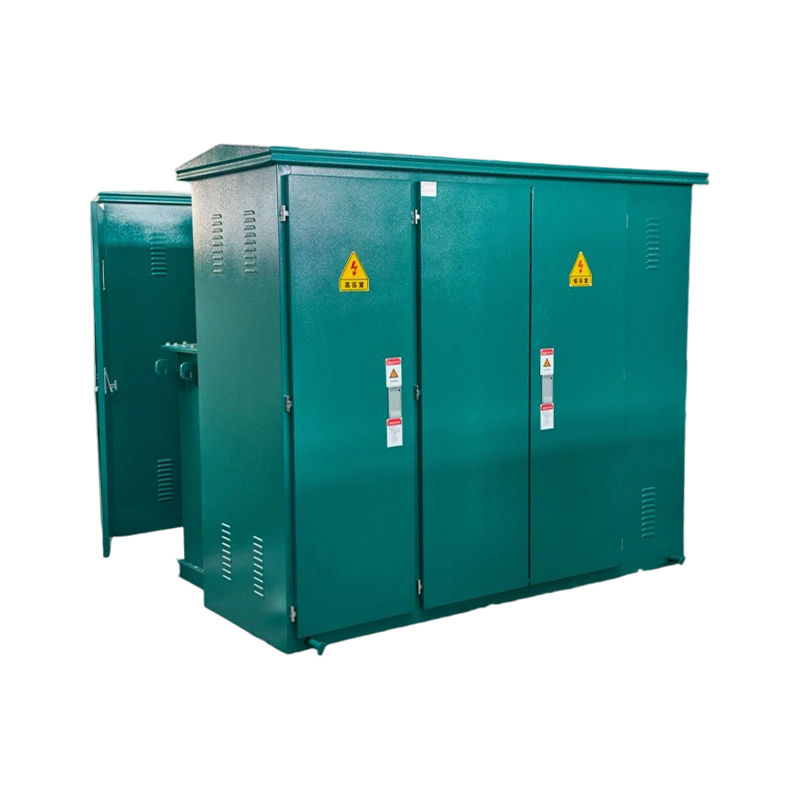
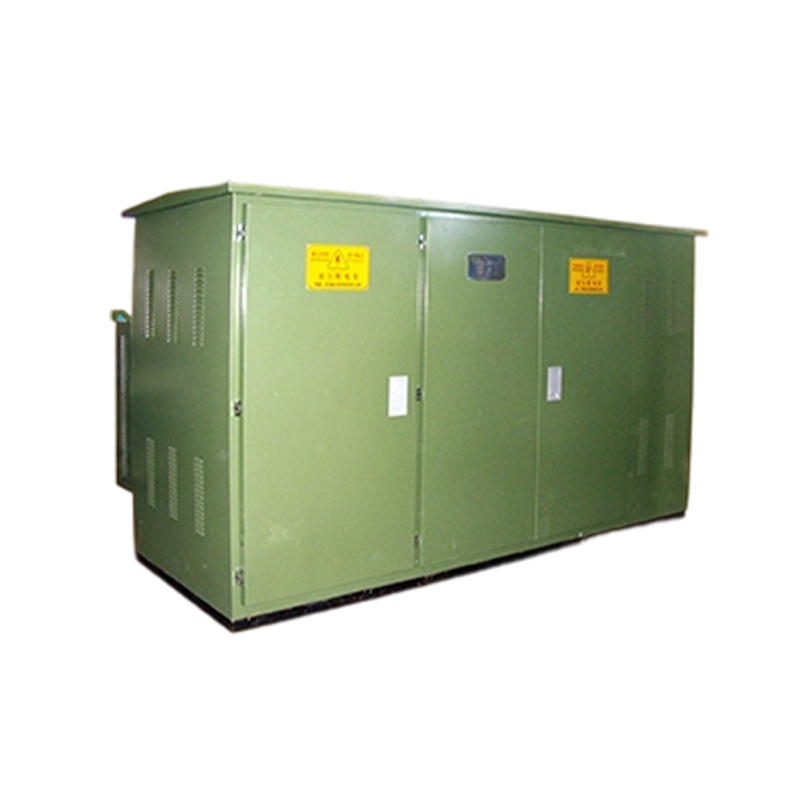
A box-type substation is a factory-prefabricated power distribution unit that integrates high-voltage switchgear, distribution transformer, and low-voltage distribution devices into a single system. It is housed within a fully enclosed, mobile steel structure enclosure. Known for its compact design, high safety, and rapid deployment, it is ideally suited to meet the diverse needs of urban power grids, industrial facilities, and the renewable energy sector.
Founded in 1992, Zhejiang Soocia Electric Meter Co., Ltd. is a dedicated specialist in electricity metering with over 30 years of experience. As a Custom Prefabricated Substation and Design Prefabricated Substation factory, we are mainly engaged in Prefabricated Substation Manufacturing.
Over the years, Soocia has established a long-term strategic partnership with State Grid Corporation of China, positioning itself as a core supplier. Building on this domestic success, the company has also expanded into international markets across Southeast Asia, Europe, and Africa, earning a strong reputation among customers worldwide.
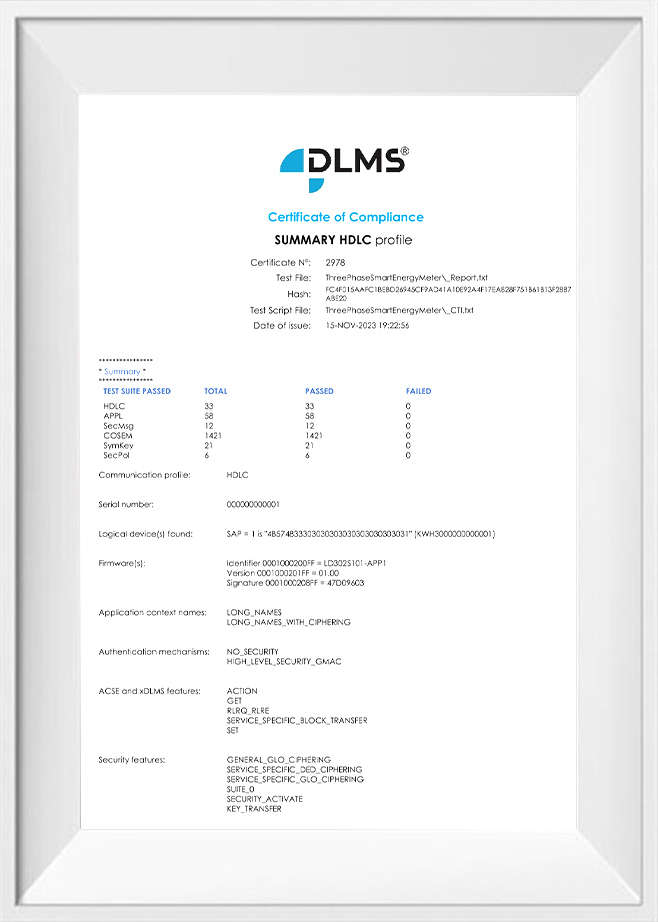
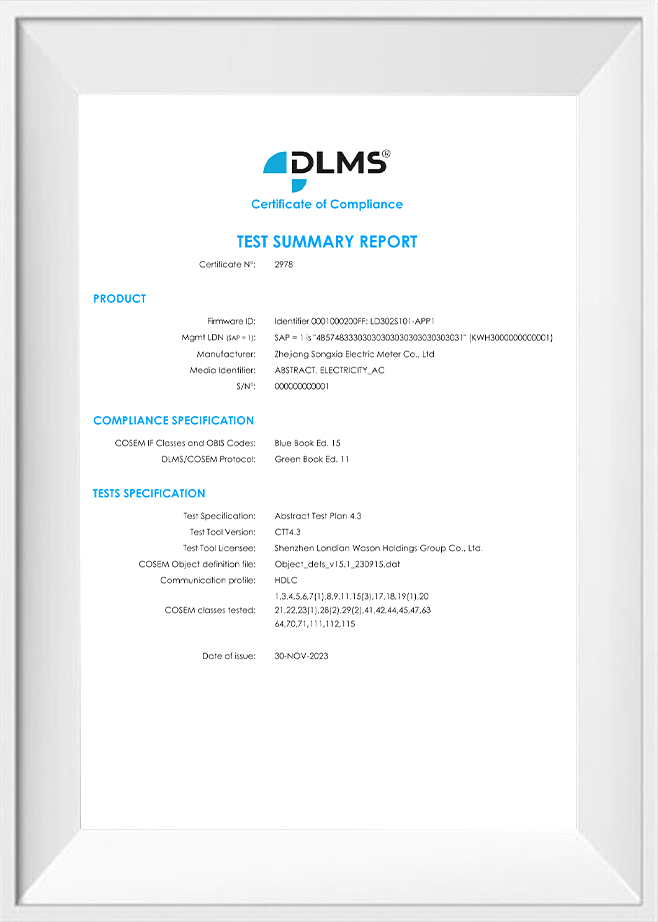
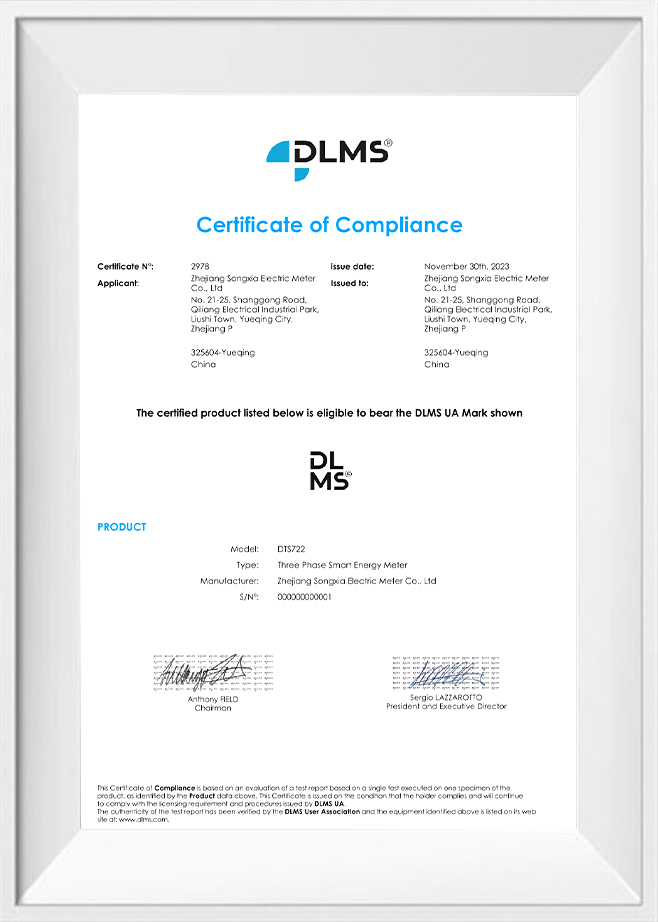
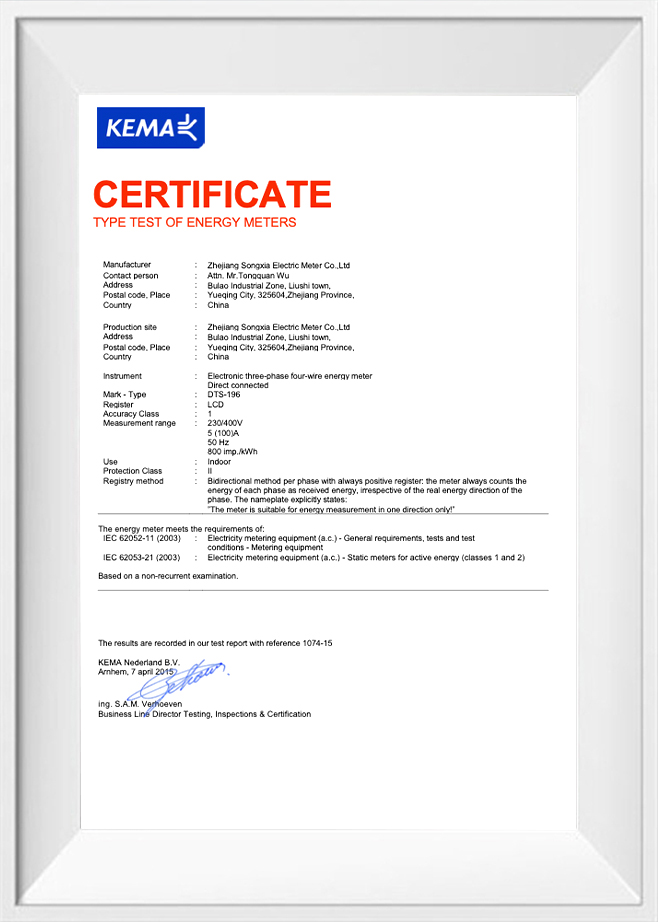
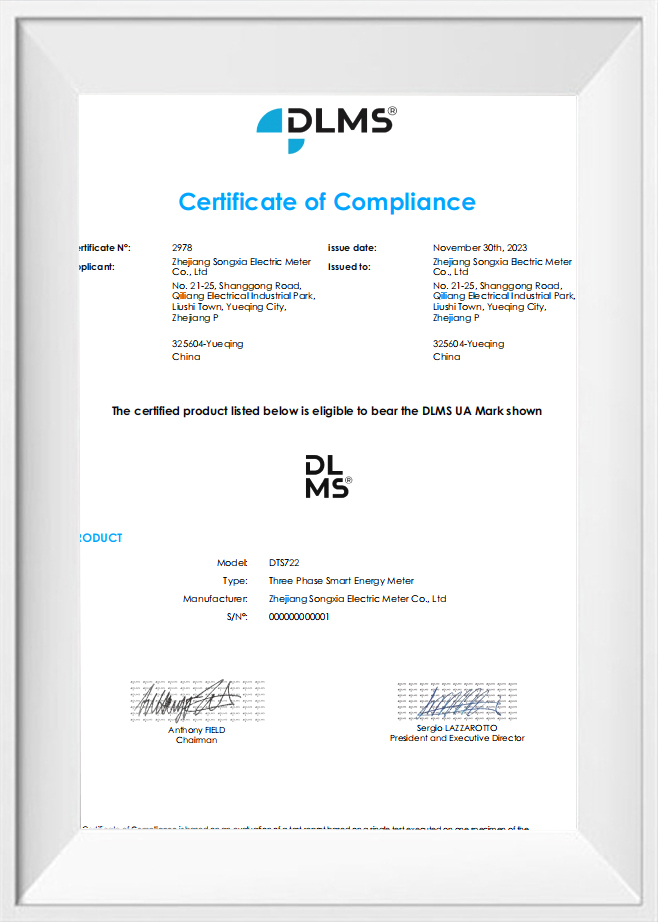

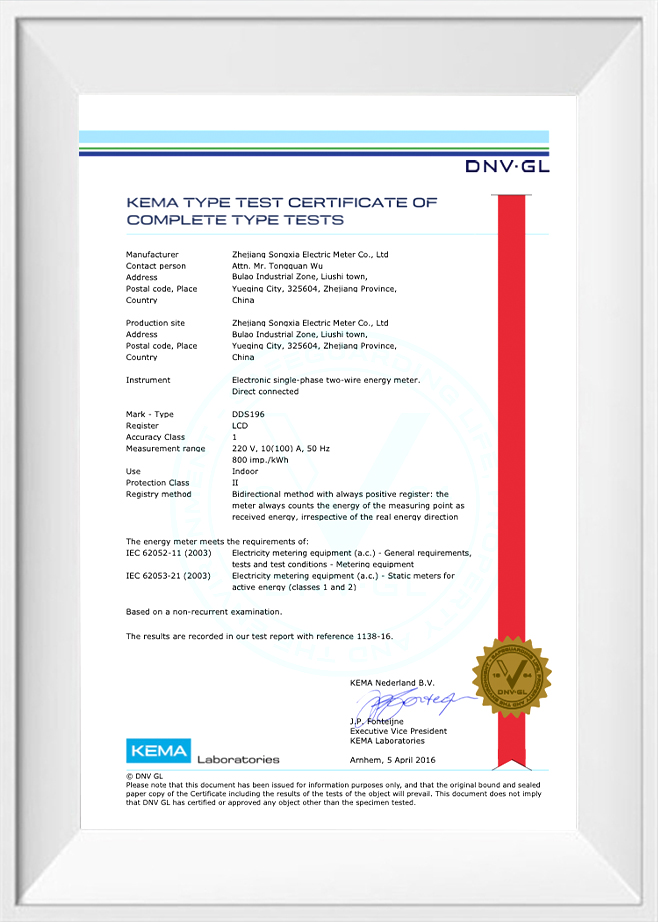
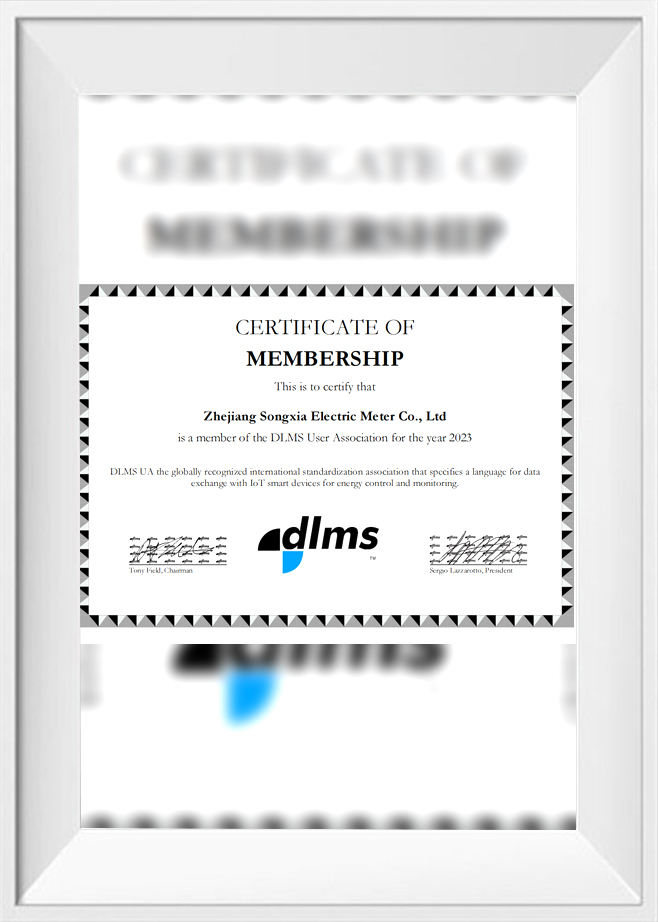
Take step and get in touch with us today.
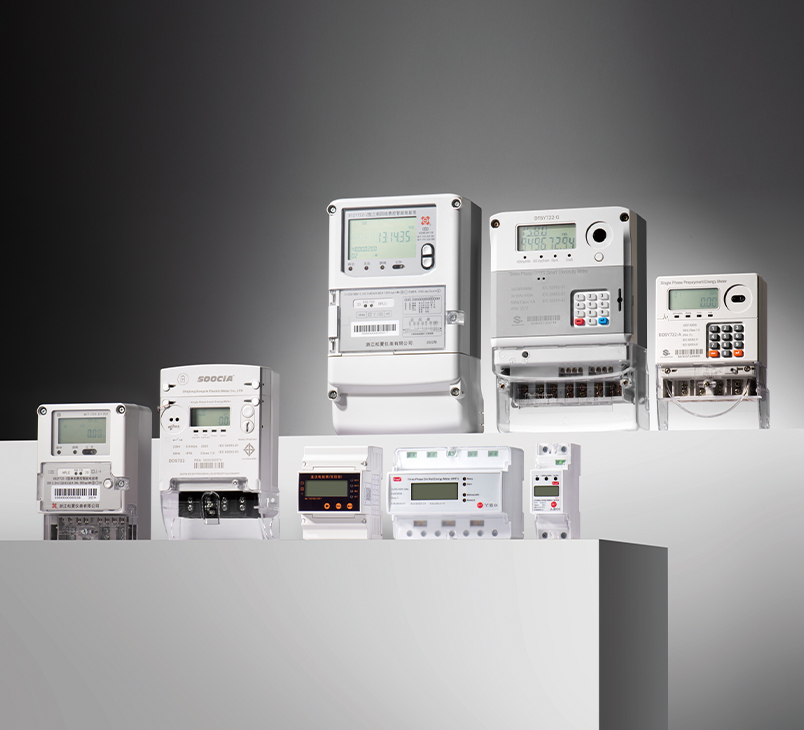
A prefabricated substation is a pre-engineered, factory-built electrical facility designed to distribute and regulate electrical power efficiently. Unlike traditional substations that are constructed entirely on-site, prefabricated substations are assembled off-site and delivered as a complete unit. This approach reduces on-site construction time, improves safety during installation, and ensures consistent quality. Prefabricated substations can serve various applications, including industrial plants, commercial complexes, urban developments, and utility power distribution networks.
The concept of prefabrication in electrical substations emerged to address the growing demand for rapid deployment of power distribution infrastructure. By integrating all necessary components—such as transformers, switchgear, protection devices, and control panels—into a single modular unit, prefabricated substations offer a compact and organized solution for electricity management.
A prefabricated electrical substation typically consists of a robust enclosure that houses all key electrical equipment. The main components include:
The compact layout ensures efficient space utilization and simplifies maintenance. Additionally, prefabricated electrical substations are often designed to comply with international standards such as IEC 61439, ensuring reliability and safety under various environmental conditions.
A preassembled substation offers several practical benefits for both utilities and industrial users.
These benefits make preassembled substations a suitable choice for projects where speed, reliability, and space considerations are important.
Prefabricated substations are widely used in multiple sectors. Industrial plants rely on them for a stable power supply to production lines, while commercial complexes use them to manage electricity distribution efficiently across large buildings. In urban areas, prefabricated substations can be installed in locations where traditional substations would require extensive construction, reducing disruptions to the surrounding community.
Utilities also benefit from preassembled substations in remote or difficult-to-access areas. Transporting a fully assembled substation and connecting it to the grid reduces the need for on-site labor and infrastructure development, while still maintaining high standards of reliability and performance.
Modern prefabricated substations are designed with environmental factors in mind. Enclosures provide protection against dust, moisture, and temperature fluctuations, ensuring stable operation even in challenging conditions. Noise reduction measures are often integrated to have less operational impact in residential areas.
Operational efficiency is another important consideration. With advanced monitoring and control systems, operators can track performance metrics, identify potential issues, and schedule preventive maintenance. This reduces downtime and extends the lifespan of critical electrical equipment.

With over 30 years of experience in electricity metering, we specialize in the design, manufacturing, and supply of energy meters. Our product portfolio covers multiple series, including mechanical, electronic, and smart meters.
Contact Us
+86-577-62711702
Zhejiang Soocia Electric Meter Co., Ltd.:
No.21-23 Shanggong Road, Shangwu Industrial Zone, Liushi Town, Yueqing City, Zhejiang Province, China
Huaxia Power Transmission And Distribution Equipment Co., Ltd.:
No. 222 Weisan Road, Yueqing Economic Development Zone, Yueqing City, Zhejiang Province, China

Design Prefabricated Substation