中文简体
中文简体
 English
 русский

Quick Product Search
Contact us to learn how we can use our expertise to bring you high-quality products.
2026-04-17
As modern power systems evolve towards more interconnected and data-driven grid structures, diverse metering technologies play unique roles in various application scenarios. Against this backdrop, the Standard Transfer Specification (STS) prepaid meter, as an internationally recognized standardized solution, is increasingly important. While not a "core smart grid protocol" for real-time two-way communication, it possesses irreplaceable value in ensuring the security, interoperability, and reliability of prepaid transactions.
Unlike traditional online metering systems that rely on continuous network connections, the STS standard focuses on addressing the core needs of prepaid scenarios: how to securely and accurately complete the "last mile" from electricity purchase to meter top-up.
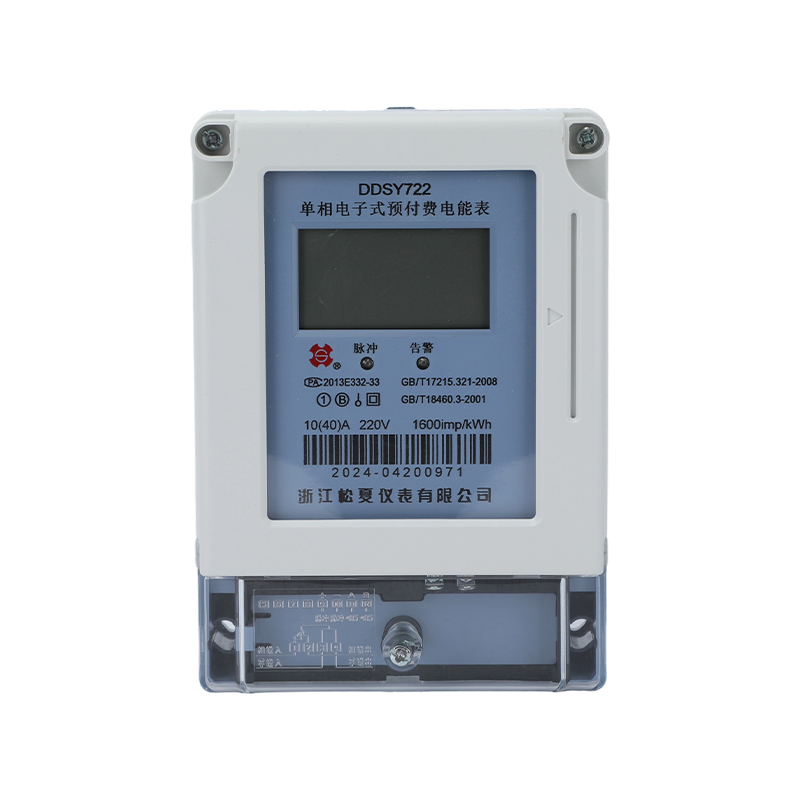
In today's energy environment, electricity distribution faces diverse challenges, especially in areas with inadequate infrastructure or requiring high levels of autonomy. Not all scenarios can rely on stable real-time communication networks.
The STS prepaid meter, through its standardized offline prepaid mechanism, meets this specific need. It allows users to manage electricity consumption without a real-time network connection, while ensuring the standardization and security of the transaction process. This mechanism provides a reliable solution for environments with unstable power supply or where users need to control their budgets.
A core feature of the STS system is its ability to process electricity purchase data in a highly structured and standardized manner. Its technological foundation is the international standard IEC 62055-41 series, which defines the interface protocol for electricity metering and payment systems.
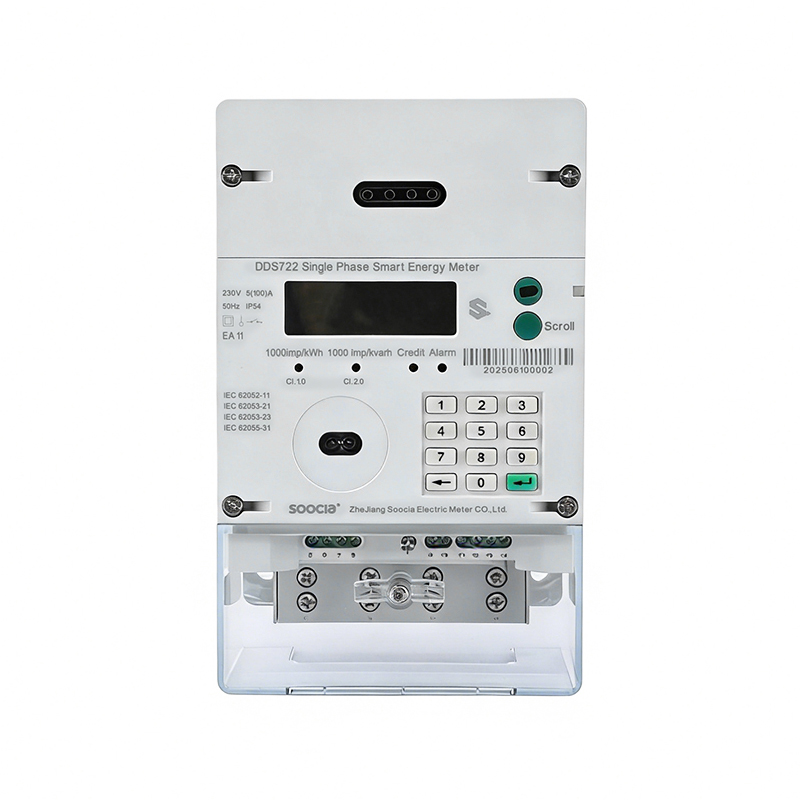
Each electricity purchase transaction generates a 20-digit encrypted digital token. This token, generated by an algorithm, contains key information such as the purchased amount and a checksum. When the user enters this token into the meter, the meter decrypts and verifies it locally, deducting the corresponding amount from the prepaid balance in real time. This process creates a continuous and secure record of electricity usage behavior, ensuring the accuracy of transactions.
It is important to clarify that traditional STS systems primarily use a one-way token transmission mechanism. This means that the data flow is unidirectional, from the point of sale (POS) to the meter.
This is fundamentally different from smart grid protocols that possess proactive "real-time communication" or "two-way data sharing" capabilities. The core advantage of STS lies in its offline operation capability and transaction security, rather than continuous data interaction. It ensures that users can still purchase electricity and top up their accounts even without a network connection, and power companies can manage user accounts through standardized processes.
Despite lacking real-time communication capabilities, STS meters still play a crucial role in energy management. By continuously updating users' prepaid balances, it encourages users to proactively monitor and manage their electricity consumption.
This mechanism facilitates effective load control and budget management at the user level, thereby supporting demand-side management of the power grid at a macro level. Users can gain a clearer understanding of their electricity costs, allowing them to adjust their consumption habits and avoid unnecessary electricity waste.
In buildings with shared power for multiple users, clear and independent electricity consumption tracking is essential. STS systems inherently support individual monitoring and management of each user's electricity consumption in a shared environment.
Each user or unit can independently manage its own electricity consumption and top up its account while still operating within the same power supply system. This independence ensures clear and transparent electricity allocation, effectively reducing disputes and confusion in shared power environments.
This functionality makes it widely applicable in apartment buildings, student dormitories, office spaces, and other multi-unit buildings, greatly facilitating property management.
The STS prepaid metering structure combines standardized encrypted token transmission with reliable offline prepaid functionality, occupying a unique and important position in modern energy systems.
It is not intended to replace the real-time communication protocols of smart grids, but rather, as a mature, secure, and open international standard, plays a crucial role in ensuring the interoperability and security of prepaid transactions. By providing a structured and user-friendly way to manage electricity, the STS system provides a solid foundation for electricity supply and demand-side management globally.
Recommended Products

With over 30 years of experience in electricity metering, we specialize in the design, manufacturing, and supply of energy meters. Our product portfolio covers multiple series, including mechanical, electronic, and smart meters.
Contact Us
+86-577-62711702
Zhejiang Soocia Electric Meter Co., Ltd.:
No.21-23 Shanggong Road, Shangwu Industrial Zone, Liushi Town, Yueqing City, Zhejiang Province, China
Huaxia Power Transmission And Distribution Equipment Co., Ltd.:
No. 222 Weisan Road, Yueqing Economic Development Zone, Yueqing City, Zhejiang Province, China

Industrial & Commercial Power Systems