The Evolution from Passive Component to Intelligent Node
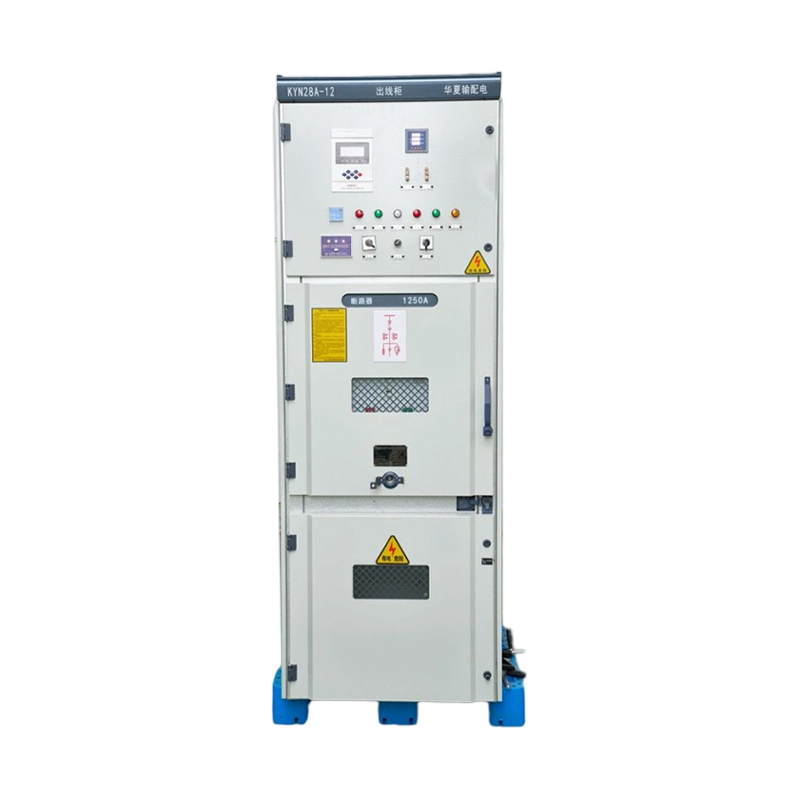
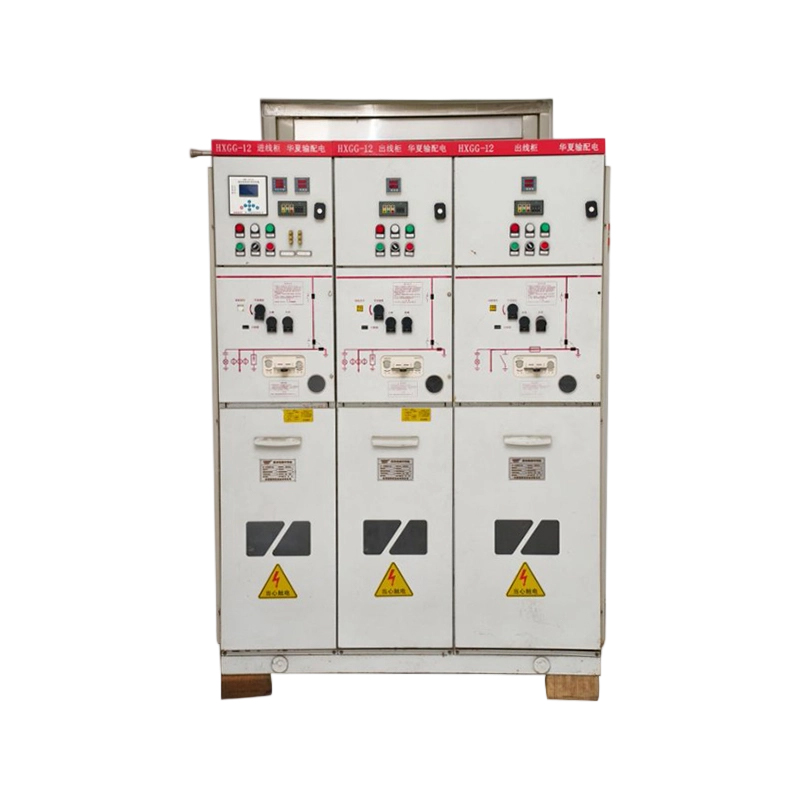
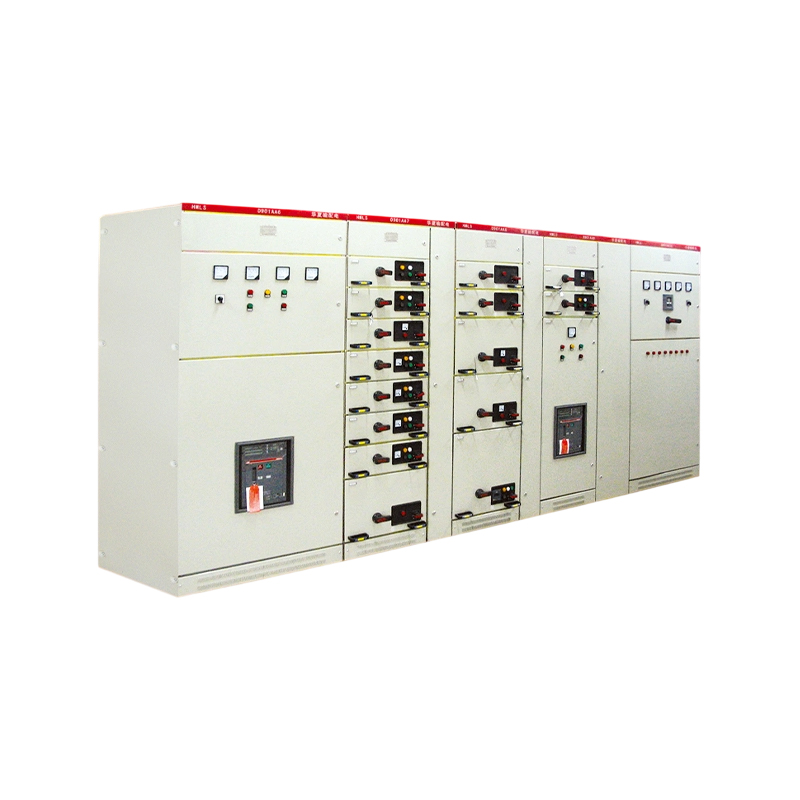
The digital transformation of energy infrastructure is reshaping all components of a photovoltaic system, and the PV Grid-connected Switchgear is at the forefront of this change. A significant trend is its evolution from a passive assembly of protection devices into an intelligent, communicative node within the broader plant and grid network. This shift, driven by the need for operational efficiency and advanced grid services, is centered on smart monitoring and open communication capabilities.
The Drive Towards Comprehensive Condition Awareness
The foundation of intelligence is data. Modern switchgear is incorporating a wider array of embedded sensors to gain deeper insights into its own health and the system's state.
- Integrated Sensor Technology: Beyond basic electrical measurements, sensors now monitor busbar and connection temperatures wirelessly, check internal humidity levels to prevent condensation, and assess the mechanical condition of operating mechanisms. Some advanced designs even integrate partial discharge sensors to detect early signs of insulation degradation.
- Local Data Processing (Edge Computing): To handle this increased data flow, new switchgear designs incorporate local processing units. This "edge intelligence" allows for initial data analysis at the source. It can perform tasks like filtering out noise, calculating derived values, running diagnostic algorithms, and generating specific alarms, reducing the raw data burden on central systems and enabling faster local responses.
Standardized and Open Communication as a Prerequisite
Data must flow to be useful. The move towards standardized, interoperable communication is a clear trend.
- Protocol Adoption: Industrial Ethernet protocols like Modbus TCP/IP and PROFINET are common. For larger utility-scale plants, the adoption of the IEC 61850 standard for substation automation is increasing, providing a robust, object-oriented framework for data modeling and exchange that simplifies integration with grid control systems.
- Cloud Connectivity and IoT Frameworks: To support advanced analytics and remote fleet management, switchgear is increasingly equipped for direct or gateway-mediated cloud connectivity. Support for lightweight IoT protocols like MQTT enables efficient data streaming to cloud platforms for long-term trend analysis, comparative performance benchmarking across multiple sites, and AI-driven predictive maintenance models.
Enabling New Value-Added Functions and Services
This intelligence and connectivity unlock new functionalities that extend the switchgear's role.
- Remote Operational Support and Diagnostics: Engineers can access real-time operational dashboards, historical event logs, and detailed oscillographic records of faults from a central location. This enables remote troubleshooting, configuration checks, and performance audits, reducing the need for physical site visits and supporting operations in remote areas.
- From Preventive to Predictive Maintenance: The continuous stream of condition data allows for a shift in maintenance strategy. Instead of scheduled intervals, maintenance can be triggered by actual need—for example, scheduling a torque check when connection temperatures show a rising trend, or planning a component replacement when insulation resistance trends downward. This optimizes maintenance resources and avoids unnecessary downtime.
- Facilitation of Grid Support Services: As a reliable data source and a controllable node, intelligent switchgear enables PV plants to participate in grid support schemes more effectively. Accurate real-time generation data and the ability to execute curtailment or disconnect commands reliably are essential for services like frequency response or capacity markets, opening potential new revenue streams for plant owners.
The Heart of the Digital Solar Plant
The trend toward smart monitoring and communication is fundamentally redefining the PV Grid-connected Switchgear. It is becoming the data-rich heart of the digital solar plant, providing the visibility and control necessary for efficient, resilient, and grid-supportive operation. As the energy sector continues to digitize, the capabilities of this equipment in gathering, processing, and communicating information will remain a central factor in the value and integration of solar energy within the modern electrical ecosystem.