中文简体
中文简体
 English
 русский

Quick Product Search
Contact us to learn how we can use our expertise to bring you high-quality products.
2026-04-27
In the midst of rapid urbanization and industrialization across Southeast Asia, electricity demand continues to grow steadily. Power utilities in the region are actively advancing smart grid initiatives to enhance metering accuracy, reduce line losses, and optimize electricity management. Advanced Metering Infrastructure (AMI) has become a strategic priority. However, large-scale deployment faces notable constraints related to cost structures, communication infrastructure, and implementation timelines.
In this context, SOOCIA’s Bluetooth Low Energy (BLE)-based electronic electricity meter solution has emerged as a realistic and highly feasible technical pathway for the current stage of smart grid development.
While full-featured AMI systems deliver significant benefits — including remote communication, real-time data acquisition, and demand response capabilities — their rollout in Southeast Asia encounters three major challenges:
To mitigate these risks and accelerate results, many utilities have adopted a phased deployment strategy — a “start with basics, then upgrade” approach that delivers immediate value while building a foundation for full intelligence.
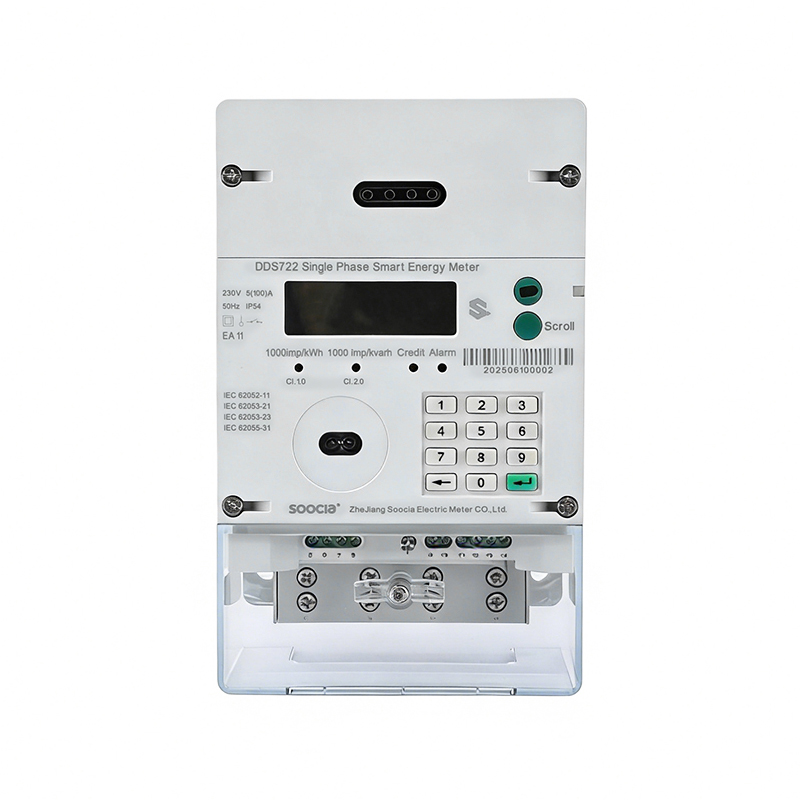
Powered by Bluetooth 5.x Low Energy (BLE) technology, SOOCIA’s electricity meters excel in low power consumption, communication reliability, and device compatibility, making them ideal for local wireless data exchange. Key features include:
This flexible architecture enables utilities to progress smoothly from localized digitalization to full-scale intelligent grid management while maintaining strict cost control.
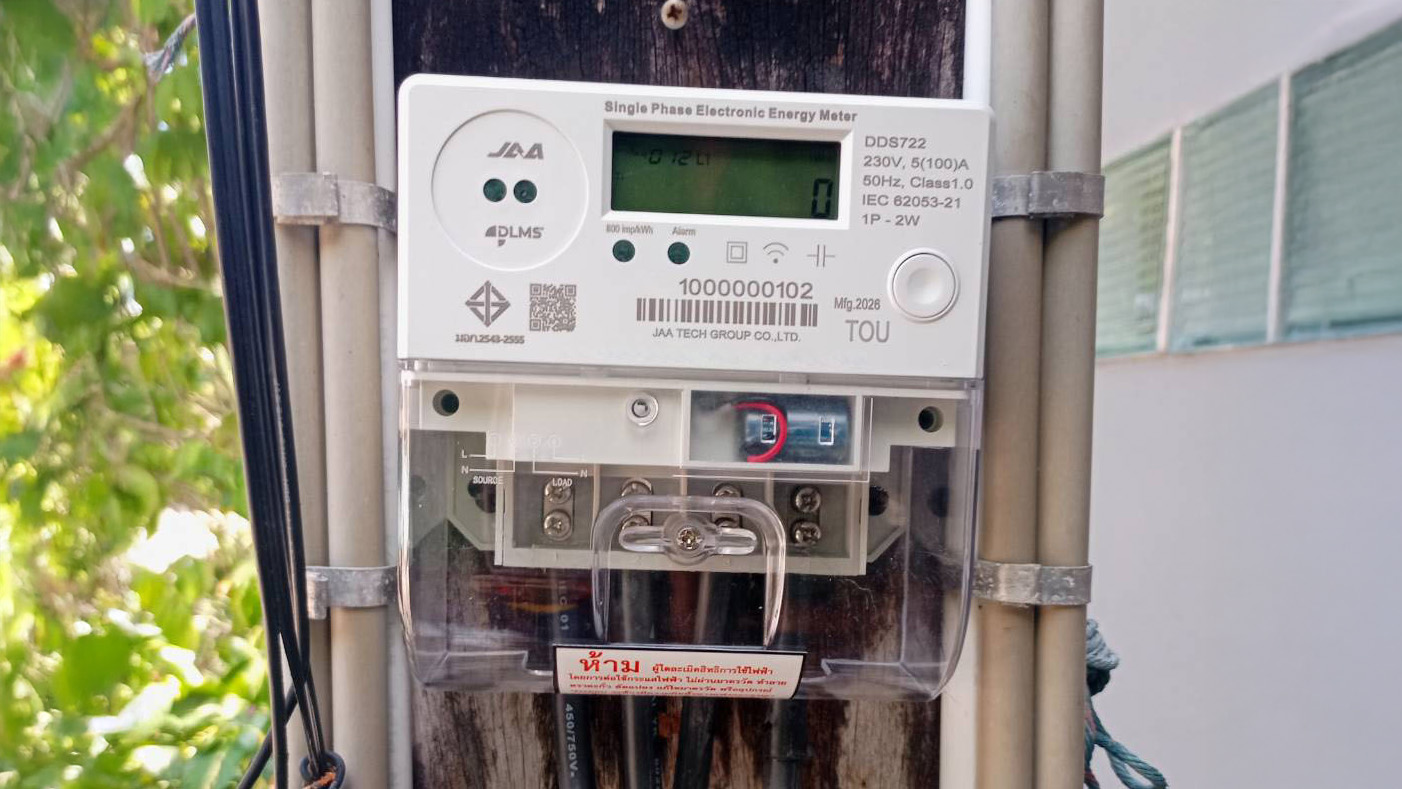
Thailand’s power sector leads intelligent metering adoption in Southeast Asia. Both the Metropolitan Electricity Authority (MEA) and Provincial Electricity Authority (PEA) have incorporated local wireless meter-reading solutions into their technical specifications to boost efficiency and manage investment. PEA’s 2022 Wireless Energy Meter Specifications explicitly endorse BLE-based electronic meters for “local wireless billing read” scenarios.
SOOCIA’s Bluetooth electricity meter solution has been successfully deployed and operationally validated in Thailand. Project outcomes confirm:
Stable system performance and highly accurate data collection;
Through close collaboration with local partners, SOOCIA has delivered technical adaptation and real-world performance, providing a verified reference case for Thailand’s phased smart grid development.
BLE electricity meters deliver clear, stage-specific value in smart grid construction:
This balanced pathway optimizes investment pacing, minimizes technical risk, and maximizes implementation efficiency — perfectly aligned with Southeast Asia’s real-world market conditions.
As global smart meter deployments continue to expand, Southeast Asian markets are following a distinctive development path centered on cost control and stepwise upgrading. SOOCIA’s BLE electricity meter solution plays a pivotal role in this journey. Its proven technology and business model offer strong reference value for other developing markets with similar conditions, including Vietnam, Indonesia, and the Philippines. These countries face comparable challenges of extensive rural coverage and uneven infrastructure, where SOOCIA’s low-cost entry point and phased upgrade approach can deliver efficient, replicable results.
SOOCIA’s BLE-based electricity meter solution provides power utilities with a practical, balanced pathway that combines cost-effectiveness, operational efficiency, and long-term scalability. By enabling phased deployment and systematic evolution, it allows utilities to achieve smart grid objectives while effectively managing risk and investment.
SOOCIA remains committed to deepening its presence in Southeast Asia. We continue to collaborate with regional partners to drive innovative applications and support the sustainable development of intelligent energy ecosystems.
Recommended Products

With over 30 years of experience in electricity metering, we specialize in the design, manufacturing, and supply of energy meters. Our product portfolio covers multiple series, including mechanical, electronic, and smart meters.
Contact Us
+86-577-62711702
Zhejiang Soocia Electric Meter Co., Ltd.:
No.21-23 Shanggong Road, Shangwu Industrial Zone, Liushi Town, Yueqing City, Zhejiang Province, China
Huaxia Power Transmission And Distribution Equipment Co., Ltd.:
No. 222 Weisan Road, Yueqing Economic Development Zone, Yueqing City, Zhejiang Province, China

Industrial & Commercial Power Systems