中文简体
中文简体
 English
 русский

Quick Product Search
Contact us to learn how we can use our expertise to bring you high-quality products.
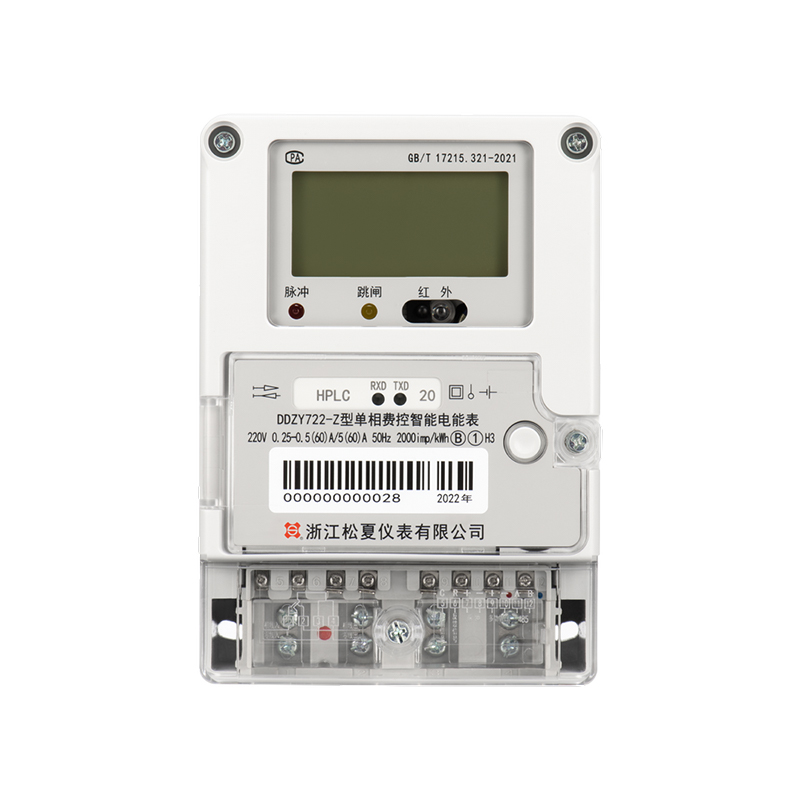
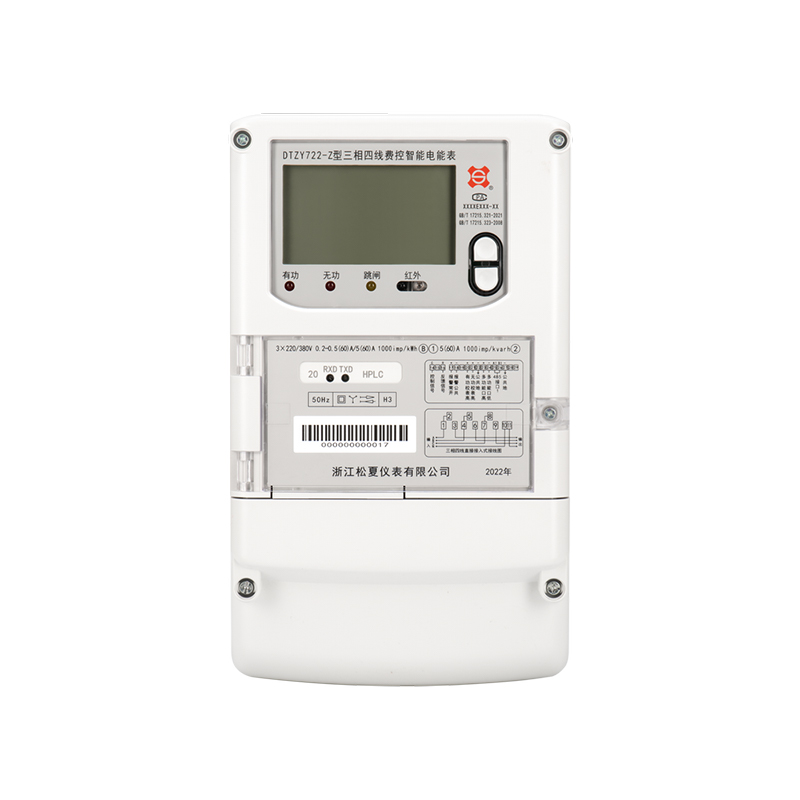
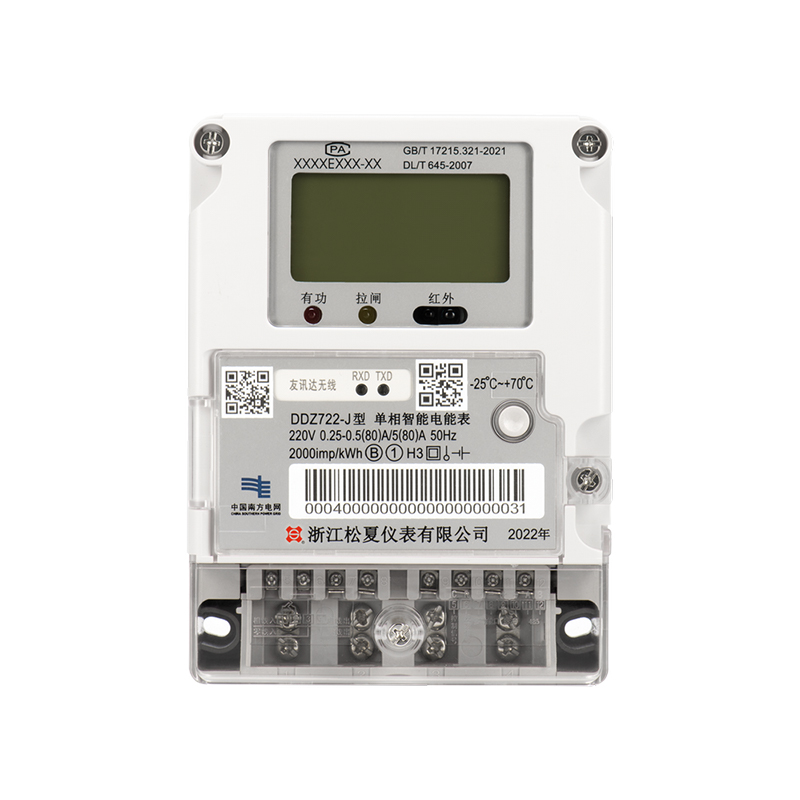
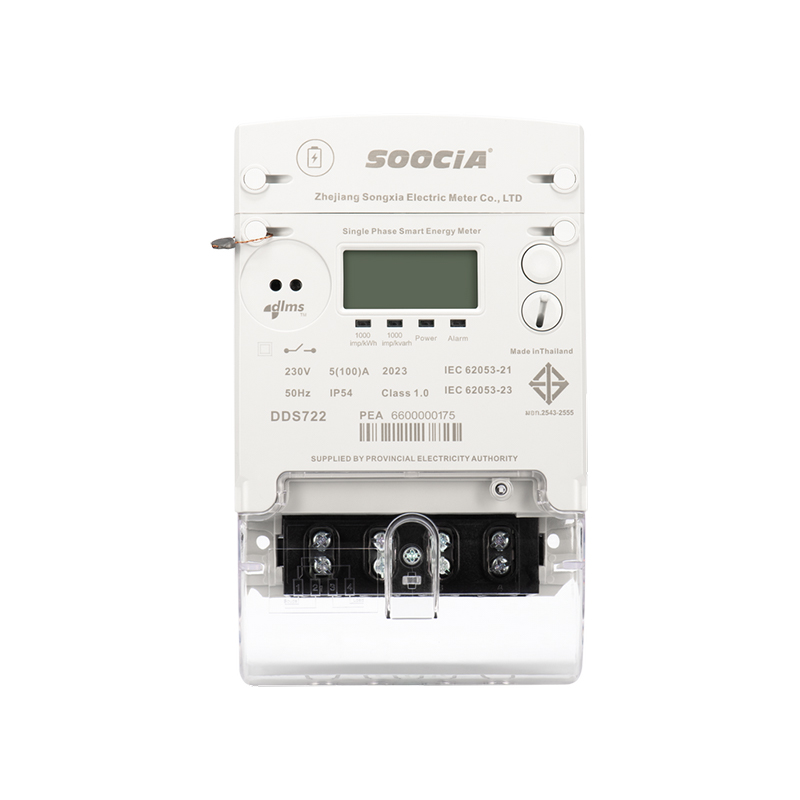
Smart electric meters represent a significant advancement in modern energy management. Designed for seamless integration with Advanced Metering Infrastructure (AMI) and smart grids, they offer real-time data acquisition, bidirectional communication, and enhanced energy control capabilities—delivering a new experience for both energy providers and consumers.
Key Features of Smart Electric Meters:
• Intelligent Functionality: Capable of autonomously detecting, analyzing, and resolving issues without human intervention.
• Standardization: Compliant with unified technical specifications.
• User-Friendly Design: Offers an intuitive interface and considerate features to optimize the user experience.
• Information Interaction: Supports real-time data transmission and remote management for efficient energy control and data sharing.
• Security: Equipped with advanced encryption and protection technologies to ensure data privacy and user security.
Founded in 1992, Zhejiang Soocia Electric Meter Co., Ltd. is a dedicated specialist in electricity metering with over 30 years of experience. As a Custom Smart Energy Meter and Design Smart Energy Meter factory, we are mainly engaged in Smart Energy Meter Manufacturing.
Over the years, Soocia has established a long-term strategic partnership with State Grid Corporation of China, positioning itself as a core supplier. Building on this domestic success, the company has also expanded into international markets across Southeast Asia, Europe, and Africa, earning a strong reputation among customers worldwide.
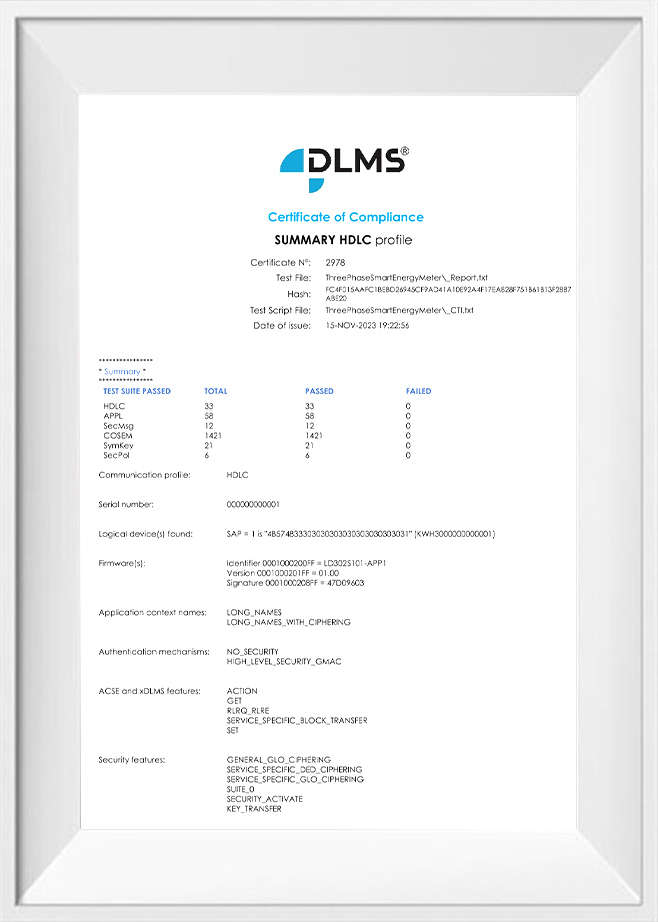
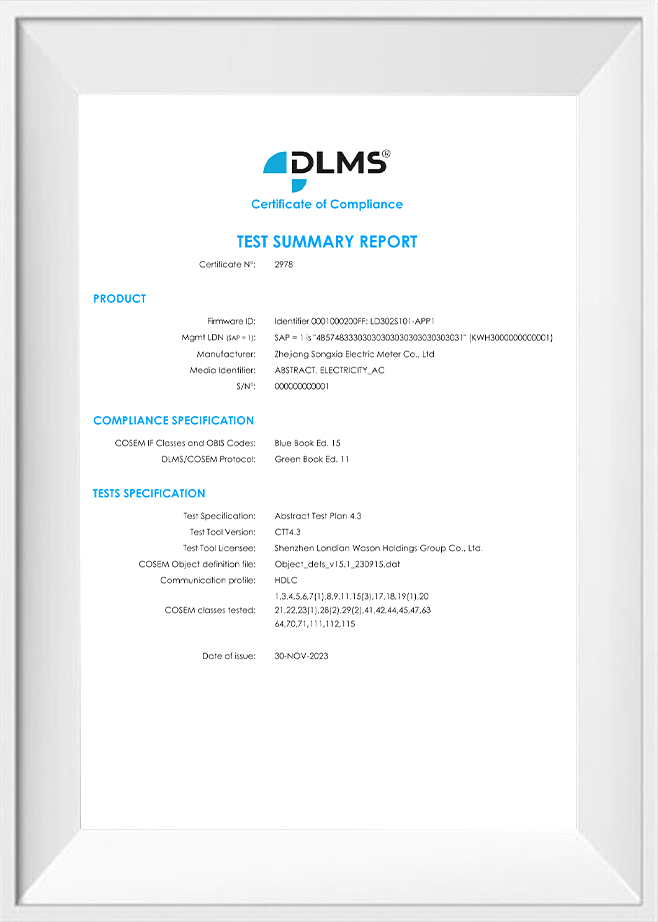
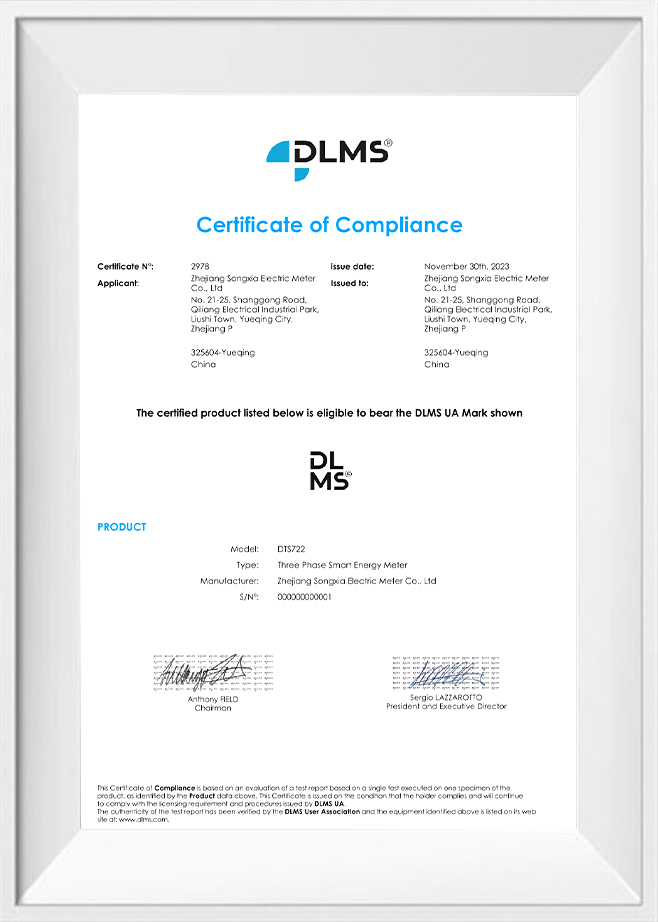
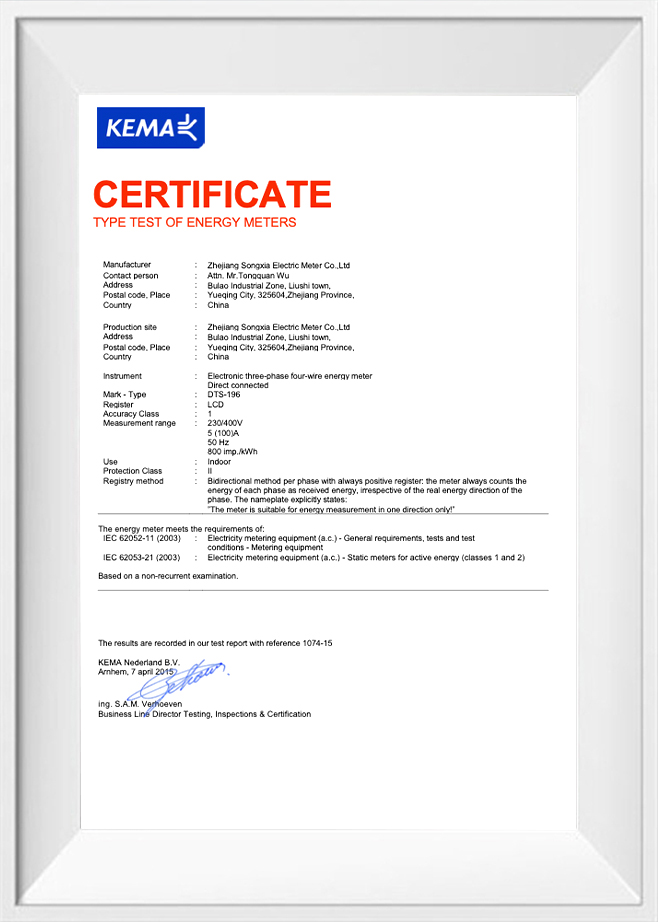
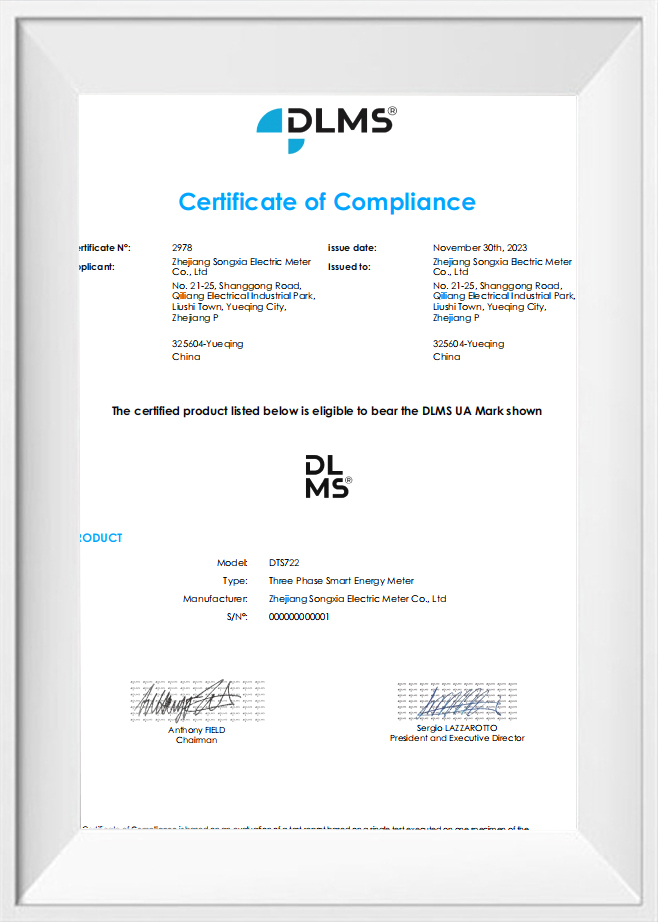
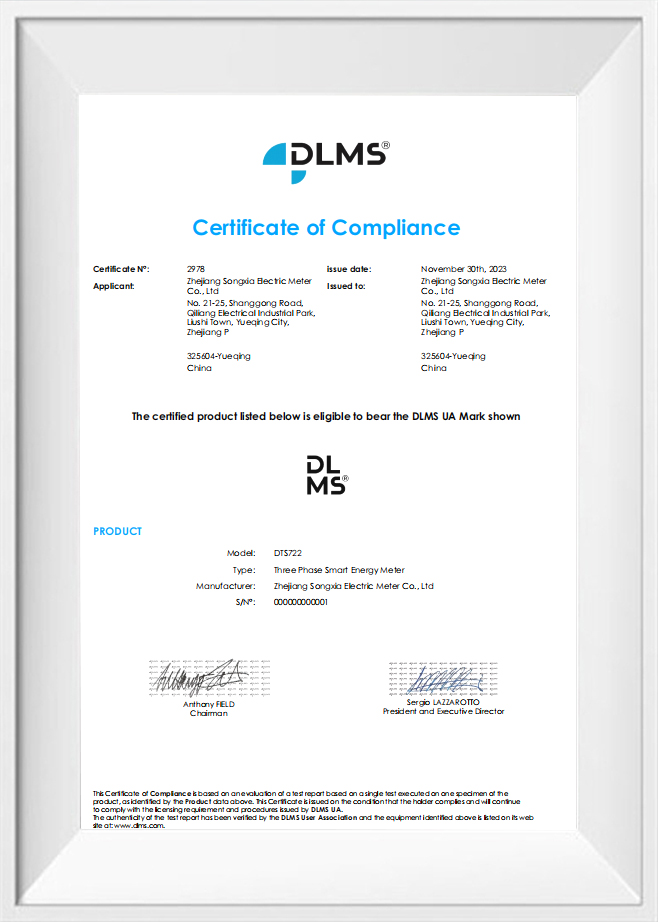
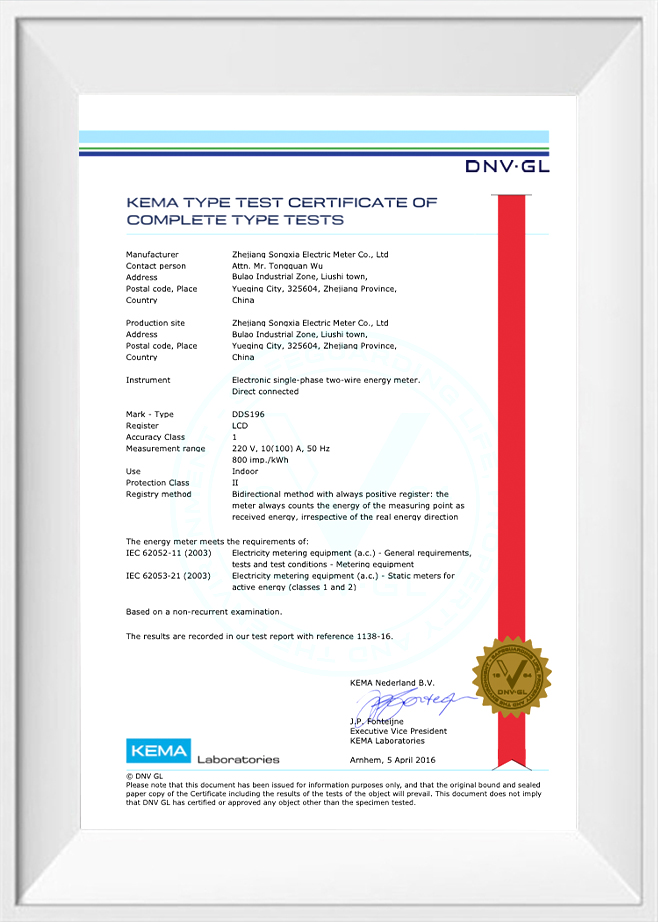
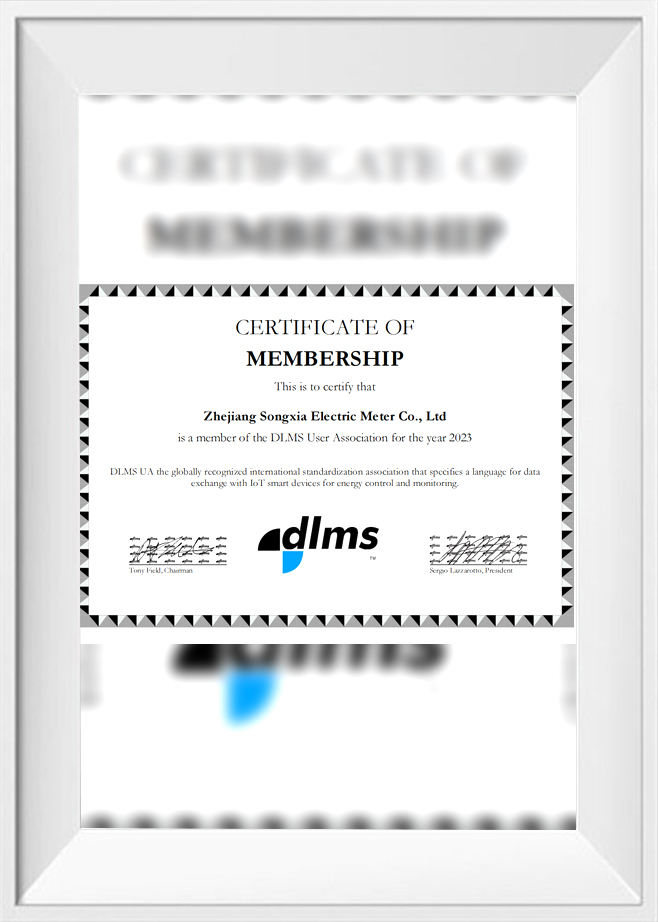
Take step and get in touch with us today.
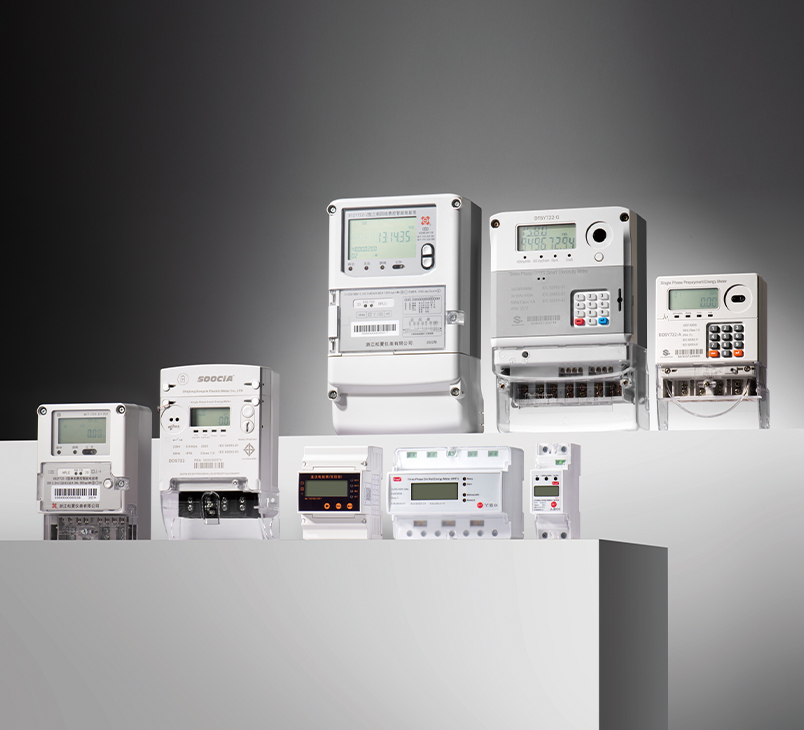
With the rapid development of energy infrastructure and the increasing demand for efficient electricity usage, smart meters have become a crucial component in modern power systems. Unlike traditional meters, which only record total energy consumption, smart meters provide detailed insights into electricity usage patterns, enabling both consumers and utility companies to make informed decisions. This article explores Smart Energy Meters, Smart Electricity Meters, and Smart Meters, highlighting their functionality, applications, and impact on energy management.
A Smart Energy Meter is designed to measure the consumption of electrical energy while offering advanced monitoring and data transmission capabilities. These devices are typically equipped with communication modules that allow real-time transmission of energy data to utility providers.
Key Features:
Smart energy meters provide more than just consumption readings. They help users identify usage trends, detect unusual energy spikes, and encourage efficient electricity use. For households, this can prominent to reduced energy costs, while for industries, it supports strategic energy management and operational efficiency.
By analyzing the data collected from smart energy meters, utility companies can better forecast demand, manage load distribution, and reduce energy losses. This two-way communication between the meter and the provider is a step forward in achieving sustainable and intelligent energy networks.
A Smart Electricity Meter combines measurement precision with digital technology, allowing detailed tracking of electricity usage over time. Unlike mechanical or traditional electronic meters, smart electricity meters provide more granular data, which can be used for energy audits, load balancing, and even detecting faults in the electrical system.
Applications:
Smart electricity meters also support automated billing processes, reducing human error and administrative costs. By offering historical data and usage trends, they allow consumers to adjust their behavior for energy conservation. Additionally, these meters often come with features such as remote disconnection, tamper detection, and integration with smart home devices, which enhance both convenience and security.
The term Smart Meter refers to devices that not only measure electricity consumption but also communicate detailed information between the utility provider and the end user. These meters form the backbone of smart grids, which rely on real-time data to optimize energy distribution and manage grid stability.
Advantages of Smart Meters:
By using smart meters, energy providers can quickly detect outages or irregularities, respond more efficiently to system issues, and improve overall reliability. For consumers, smart meters enable a deeper understanding of energy consumption patterns, promote proactive energy management, and allow for personalized energy-saving strategies.
One of the more significant benefits of smart meters is their ability to collect and analyze data over time. This data provides insights into consumption patterns, peak usage times, and areas where energy efficiency improvements can be made.
For households, this might mean identifying which appliances consume the more energy. For businesses, it can inform decisions about operational scheduling, equipment upgrades, and energy budgeting. On a larger scale, smart meters contribute to grid-wide efficiency, helping utilities reduce peak loads, balance supply and demand, and integrate renewable energy sources effectively.
Smart meters are not standalone devices; they are part of a broader ecosystem that includes smart homes, energy management systems, and advanced utility networks. Integration with mobile applications and web platforms allows users to access their consumption data conveniently, receive alerts, and participate in energy-saving programs.
Furthermore, smart meters can interact with automated home systems, such as thermostats, lighting, and appliances, to optimize energy use dynamically. In industrial environments, they can provide critical insights for predictive maintenance and operational optimization.

With over 30 years of experience in electricity metering, we specialize in the design, manufacturing, and supply of energy meters. Our product portfolio covers multiple series, including mechanical, electronic, and smart meters.
Contact Us
+86-577-62711702
Zhejiang Soocia Electric Meter Co., Ltd.:
No.21-23 Shanggong Road, Shangwu Industrial Zone, Liushi Town, Yueqing City, Zhejiang Province, China
Huaxia Power Transmission And Distribution Equipment Co., Ltd.:
No. 222 Weisan Road, Yueqing Economic Development Zone, Yueqing City, Zhejiang Province, China

Design Smart Energy Meter