中文简体
中文简体
 English
 русский

Quick Product Search
Contact us to learn how we can use our expertise to bring you high-quality products.
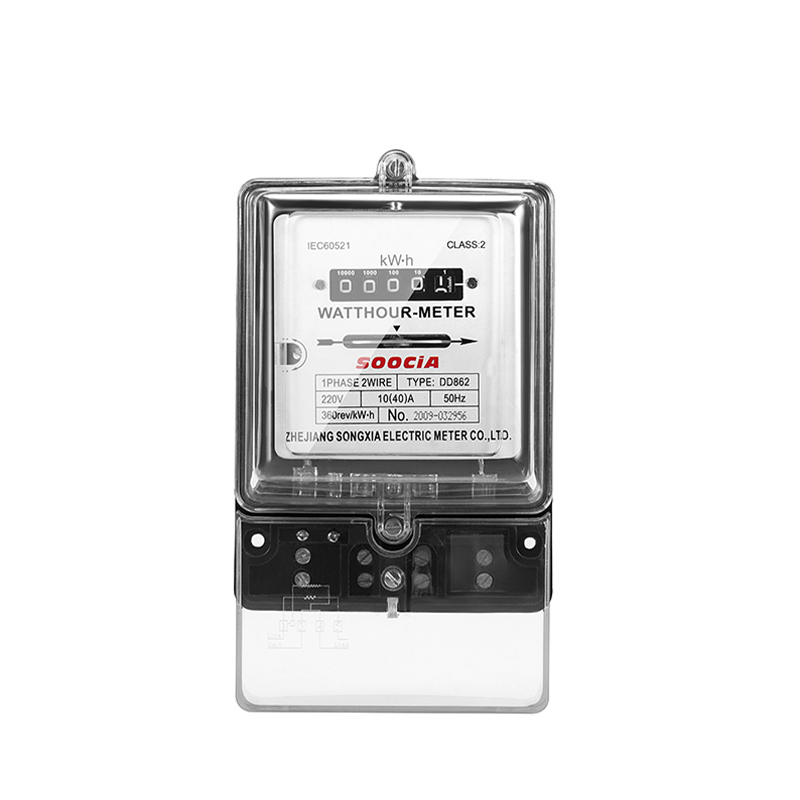
The induction-type energy meter is a classic electricity metering device based on the principle of electromagnetic induction. It accurately records energy consumption through the interaction between a fixed alternating magnetic field and the induced current in a moving conductor. Known for its stability, durability, and cost-effectiveness, it meets the requirements of a wide range of applications. SOOCIA recognizes that in many regions, power grid infrastructure has not yet fully advanced to the smart grid stage. For these areas, induction-type energy meters remain the reliable and economical solution.
Founded in 1992, Zhejiang Soocia Electric Meter Co., Ltd. is a dedicated specialist in electricity metering with over 30 years of experience. As a Custom Induction Energy Meter and Design Induction Energy Meter factory, we are mainly engaged in Induction Energy Meter Manufacturing.
Over the years, Soocia has established a long-term strategic partnership with State Grid Corporation of China, positioning itself as a core supplier. Building on this domestic success, the company has also expanded into international markets across Southeast Asia, Europe, and Africa, earning a strong reputation among customers worldwide.
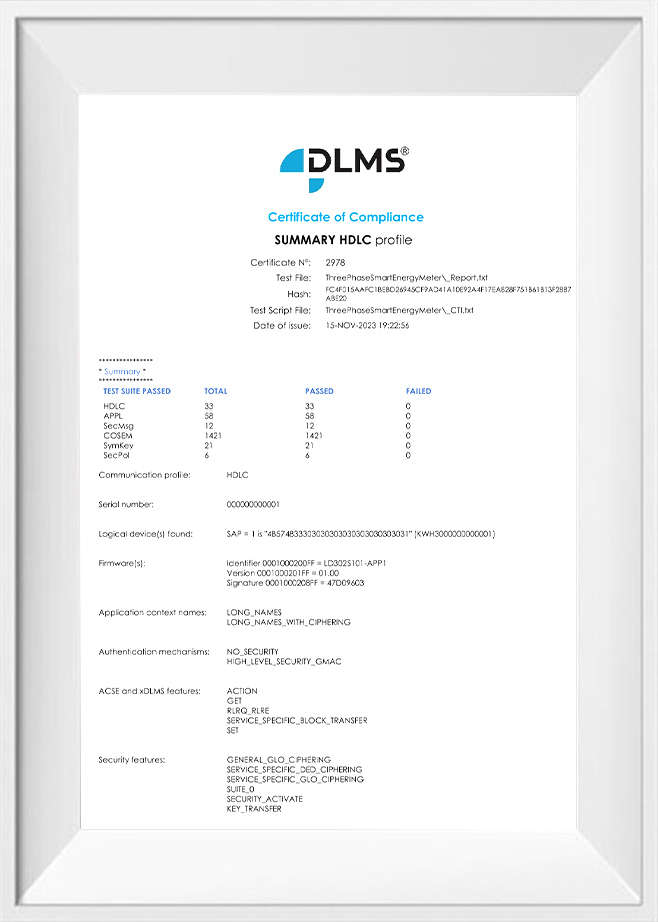
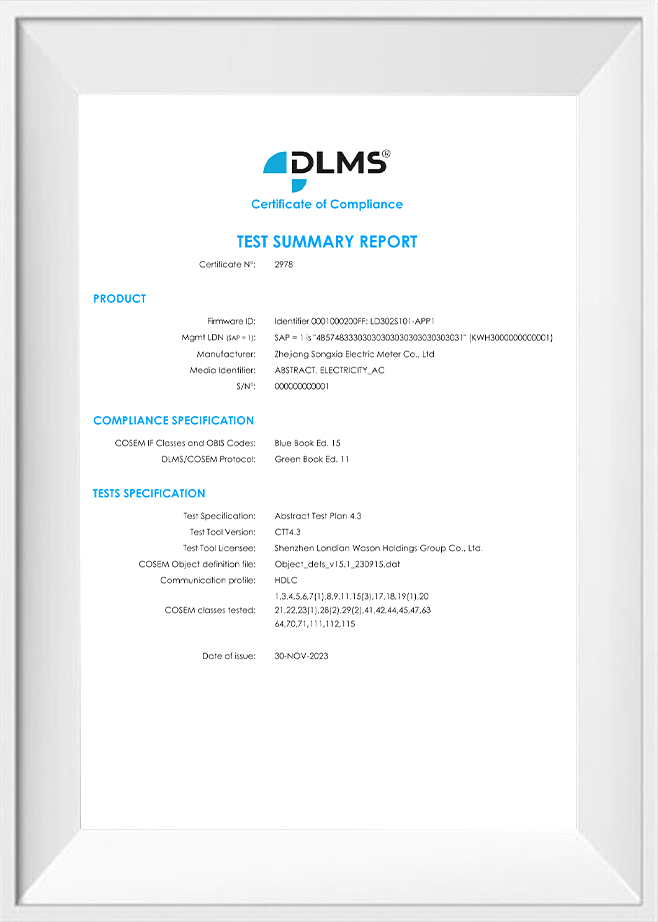
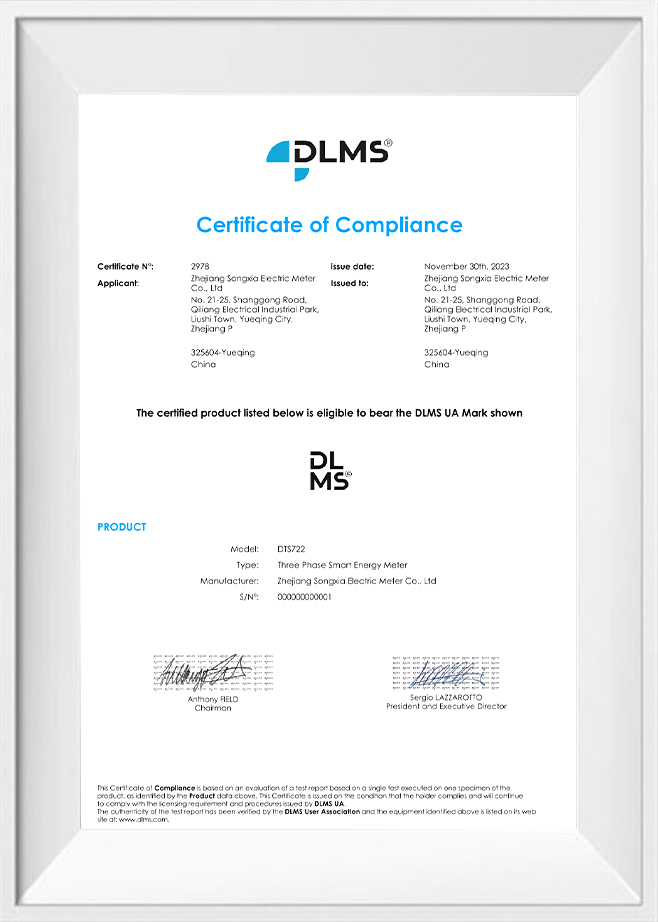
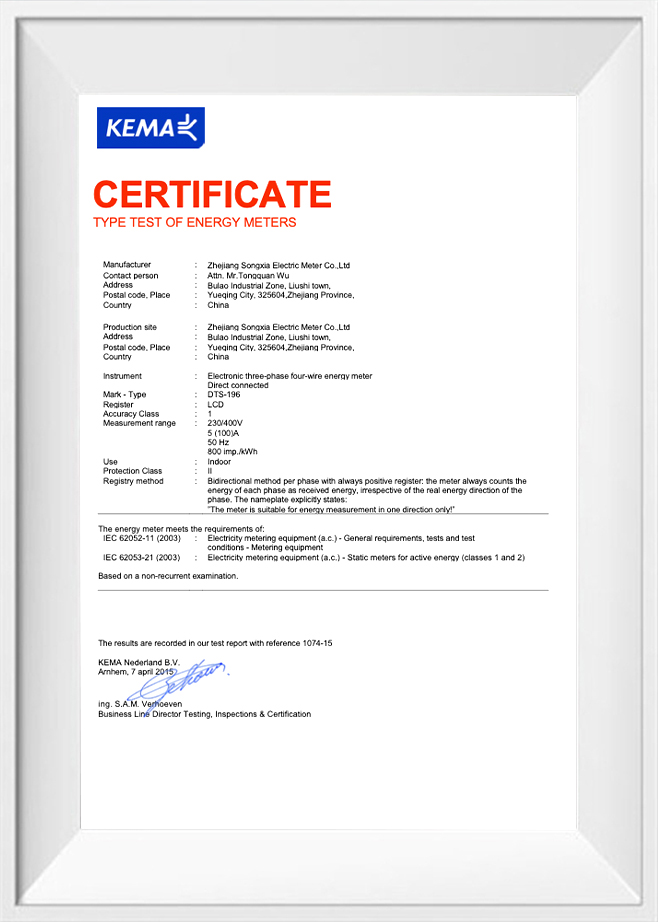
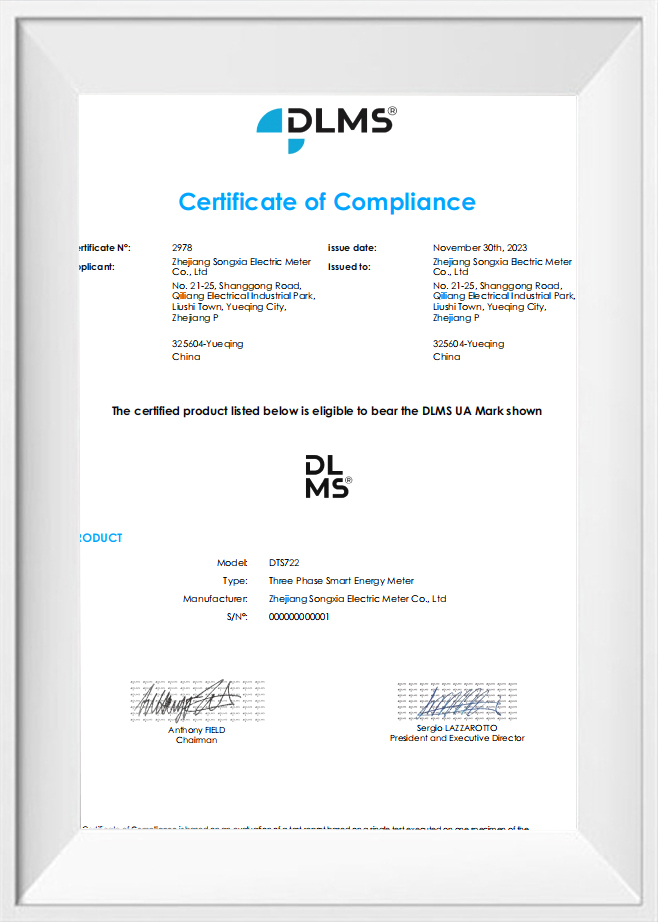
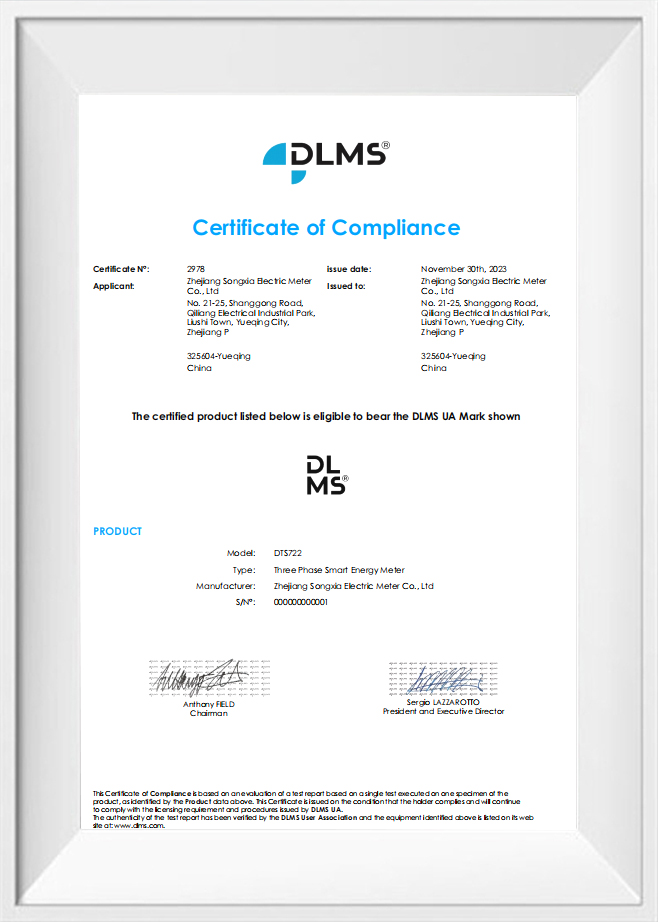
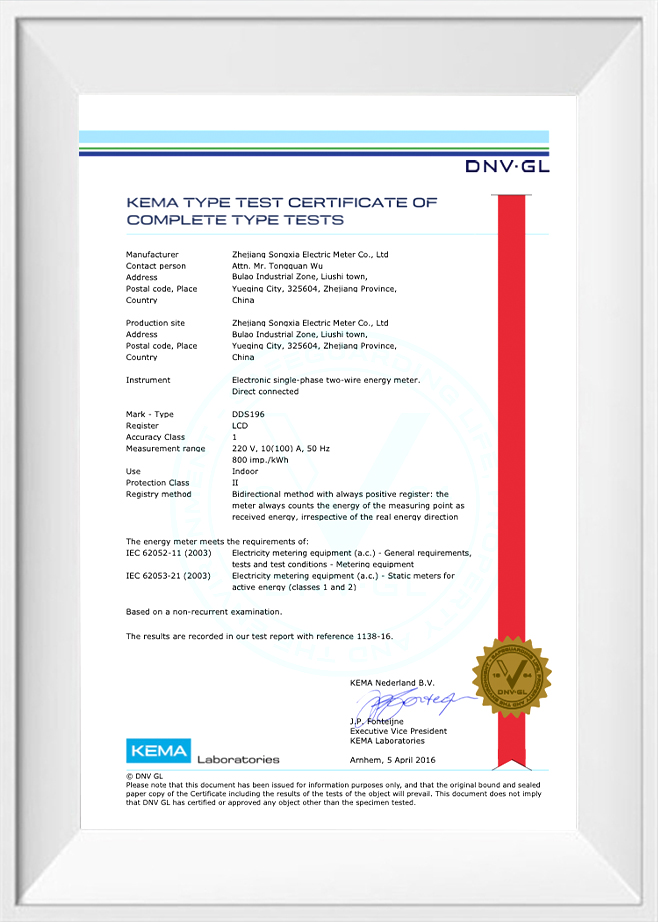
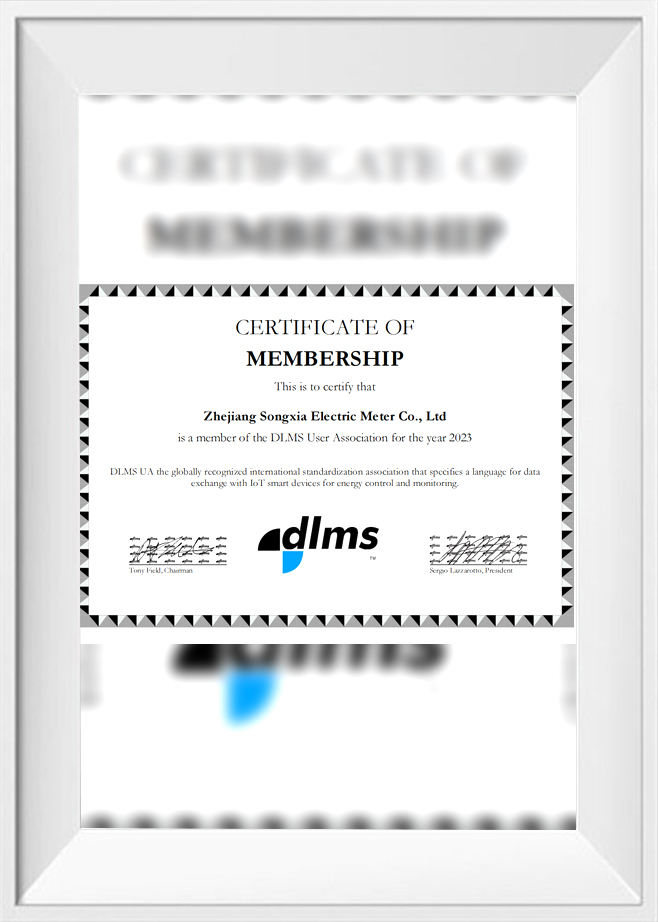
Take step and get in touch with us today.
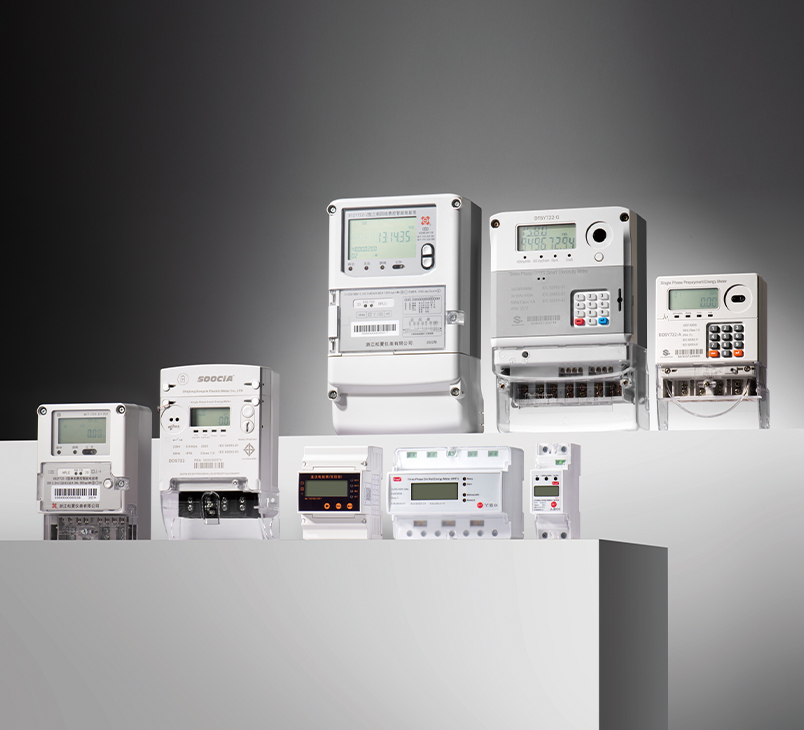
Induction energy meters are widely used instruments for measuring electrical energy in alternating current (AC) systems. These devices are based on the principle of electromagnetic induction, which allows them to accurately register energy consumption over time. Unlike simple current or voltage meters, induction energy meters provide cumulative readings, making them essential for billing, monitoring, and energy management purposes.
The operating principle of induction meters relies on the interaction between magnetic fields generated by current-carrying coils and a rotating aluminum disc. The speed of the disc's rotation is proportional to the energy consumed, which is then recorded on a mechanical or digital display. This design ensures reliable measurement for residential, commercial, and industrial applications.
An induction electric meter is a specific type of energy meter designed to measure the flow of electricity through a circuit. These meters typically consist of current coils, voltage coils, a rotating disc, and a registering mechanism. The current coil produces a magnetic field proportional to the circuit's current, while the voltage coil generates a field based on voltage. The interaction of these fields induces motion in the disc, allowing the meter to track energy usage accurately.
Induction electric meters are known for their durability and stability under varying load conditions. They require small maintenance and are capable of functioning continuously over extended periods. Although many modern systems are moving toward electronic measurement solutions, induction electric meters remain a reliable choice in many settings due to their simplicity and resilience.
Induction energy meters for industrial use are designed to handle higher currents and voltages commonly found in factories, plants, and large commercial facilities. These meters are robust, built to withstand harsh electrical environments, and capable of accurate measurement even under fluctuating loads.
In industrial settings, accurate energy measurement is critical for cost allocation, energy management, and operational efficiency. Induction meters provide essential data for monitoring energy consumption patterns, detecting anomalies, and planning maintenance schedules. Their mechanical design also offers resistance to transient voltages and power surges, making them suitable for environments where electronic meters may be more vulnerable.
A typical induction energy meter comprises several key components:
When electricity flows through the meter, the current and voltage coils interact to create a torque on the disc. This torque causes the disc to spin at a speed proportional to the energy used, which is then recorded by the registering mechanism. The design ensures continuous and reliable energy measurement without significant drift over time.
Induction energy meters offer several benefits that make them suitable for industrial and commercial applications:
By using induction energy meters, industrial users can monitor consumption patterns, implement energy-saving measures, and allocate costs more precisely. These meters also provide data necessary for regulatory compliance and energy audits.
While induction energy meters are traditional devices, they continue to be relevant alongside electronic and smart meters. Some modern induction meters are equipped with pulse outputs or interfaces for integration with data acquisition systems, allowing industrial facilities to combine traditional measurement methods with digital monitoring and analysis.
This hybrid approach enables facility managers to track energy usage in real time, compare historical trends, and identify areas for improvement. Industrial induction meters thus serve as a bridge between classic metering technology and contemporary energy management practices.

With over 30 years of experience in electricity metering, we specialize in the design, manufacturing, and supply of energy meters. Our product portfolio covers multiple series, including mechanical, electronic, and smart meters.
Contact Us
+86-577-62711702
Zhejiang Soocia Electric Meter Co., Ltd.:
No.21-23 Shanggong Road, Shangwu Industrial Zone, Liushi Town, Yueqing City, Zhejiang Province, China
Huaxia Power Transmission And Distribution Equipment Co., Ltd.:
No. 222 Weisan Road, Yueqing Economic Development Zone, Yueqing City, Zhejiang Province, China

Design Induction Energy Meter