中文简体
中文简体
 English
 русский

Quick Product Search
Contact us to learn how we can use our expertise to bring you high-quality products.
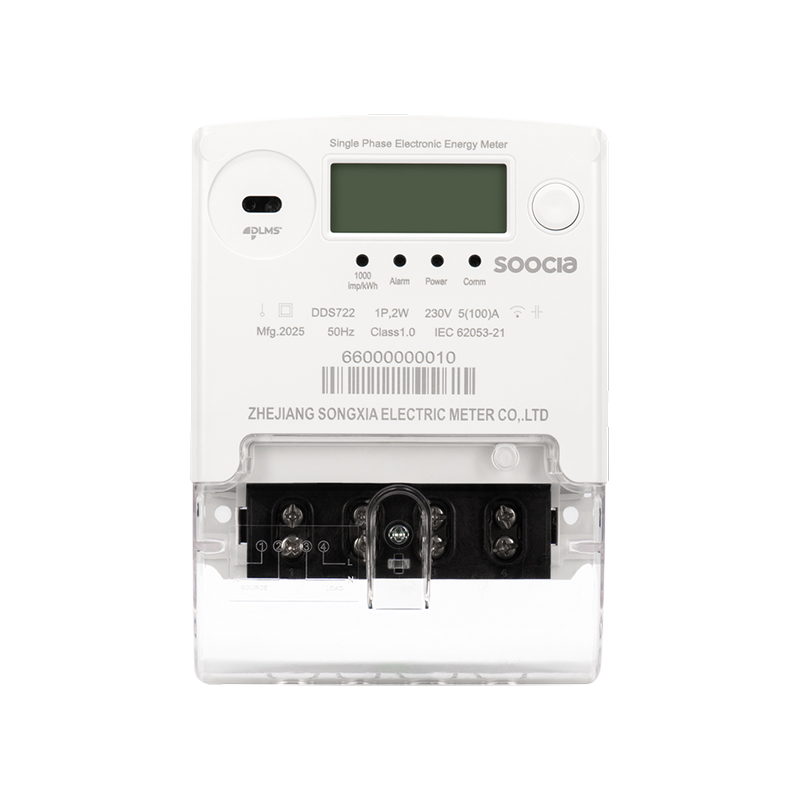
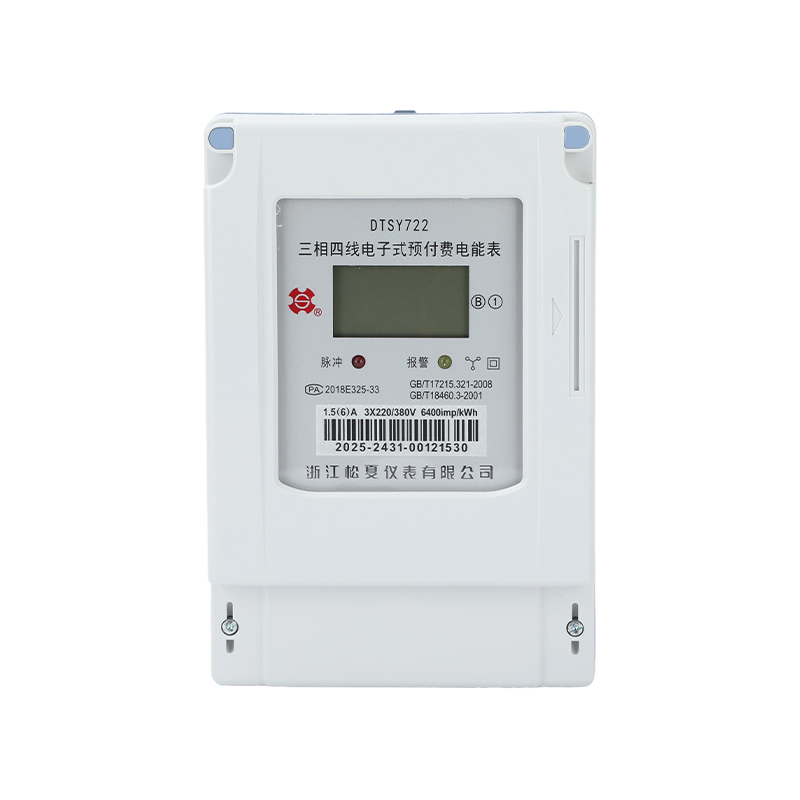
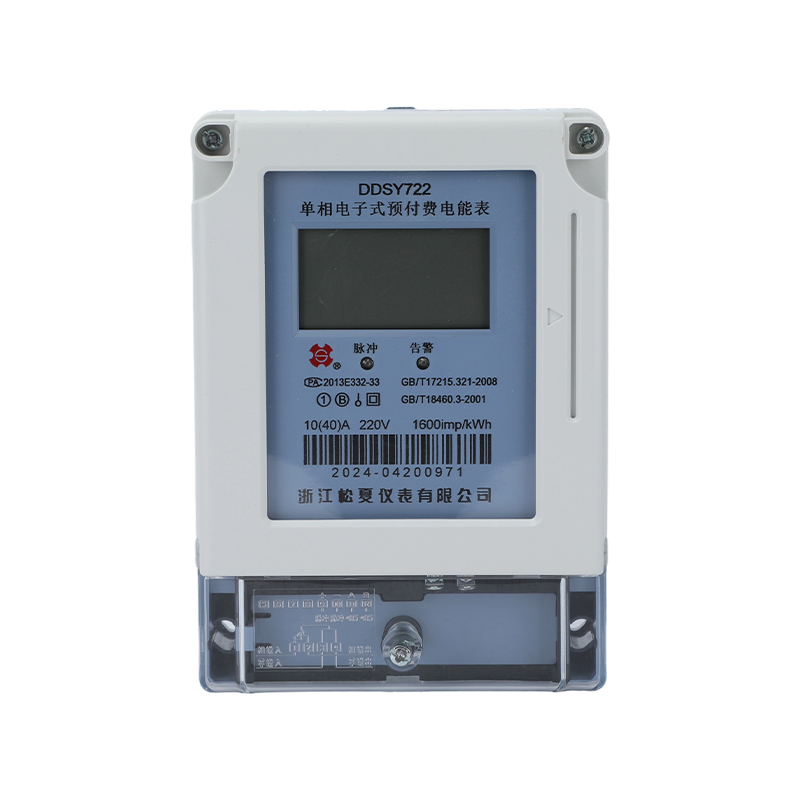
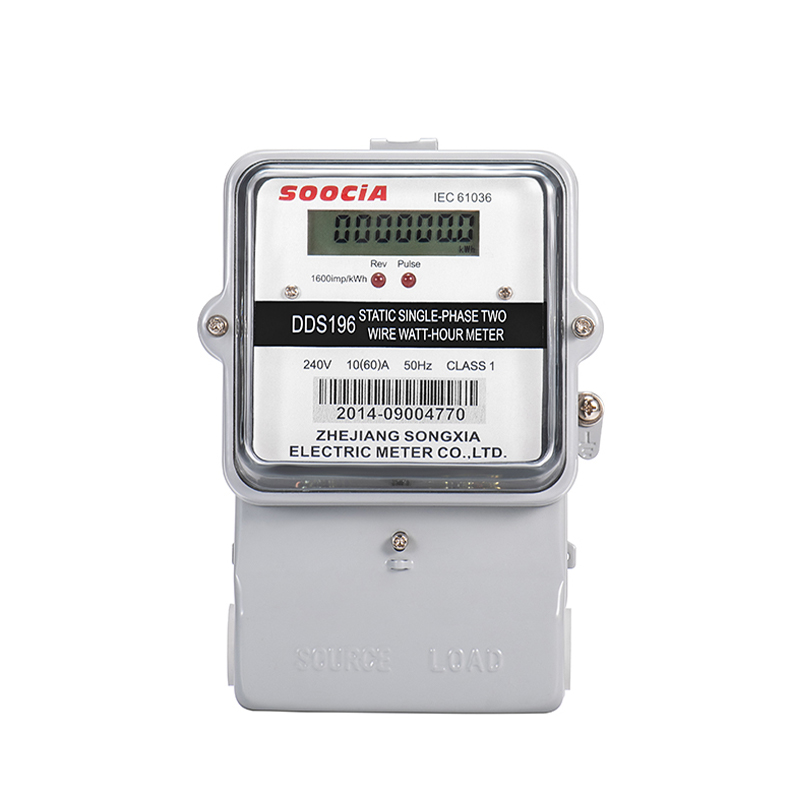
An electronic energy meter is a high-precision energy measurement device based on modern electronic technology. It includes various types such as time-of-use (TOU) meters, remote prepaid meters, and multifunctional energy meters. These devices utilize digital circuits and microprocessors to achieve accurate energy measurement and data processing.
Founded in 1992, Zhejiang Soocia Electric Meter Co., Ltd. is a dedicated specialist in electricity metering with over 30 years of experience. As a Custom Electronic Energy Meter and Design Electronic Energy Meter factory, we are mainly engaged in Electronic Energy Meter Manufacturing.
Over the years, Soocia has established a long-term strategic partnership with State Grid Corporation of China, positioning itself as a core supplier. Building on this domestic success, the company has also expanded into international markets across Southeast Asia, Europe, and Africa, earning a strong reputation among customers worldwide.
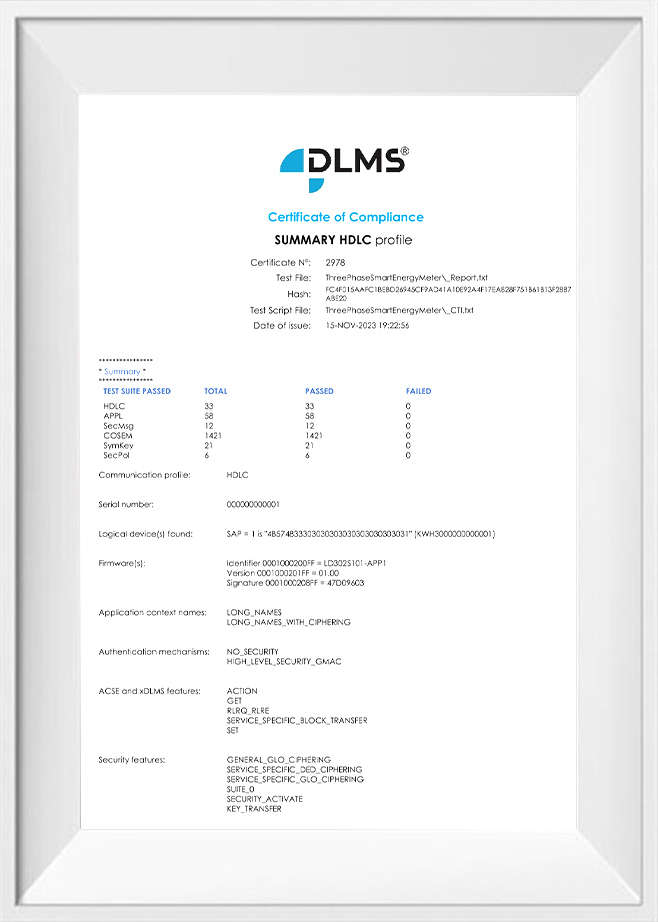
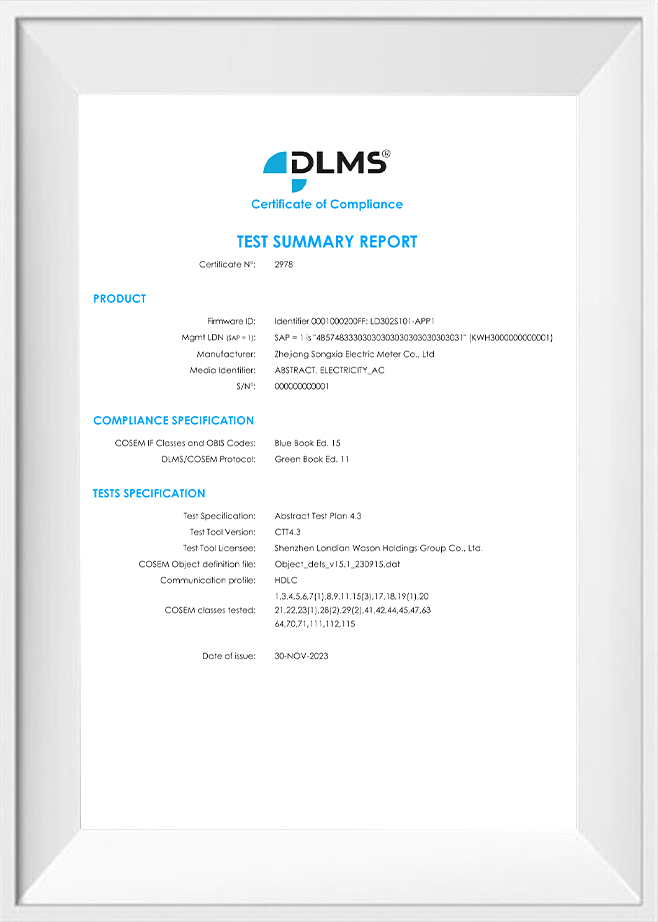
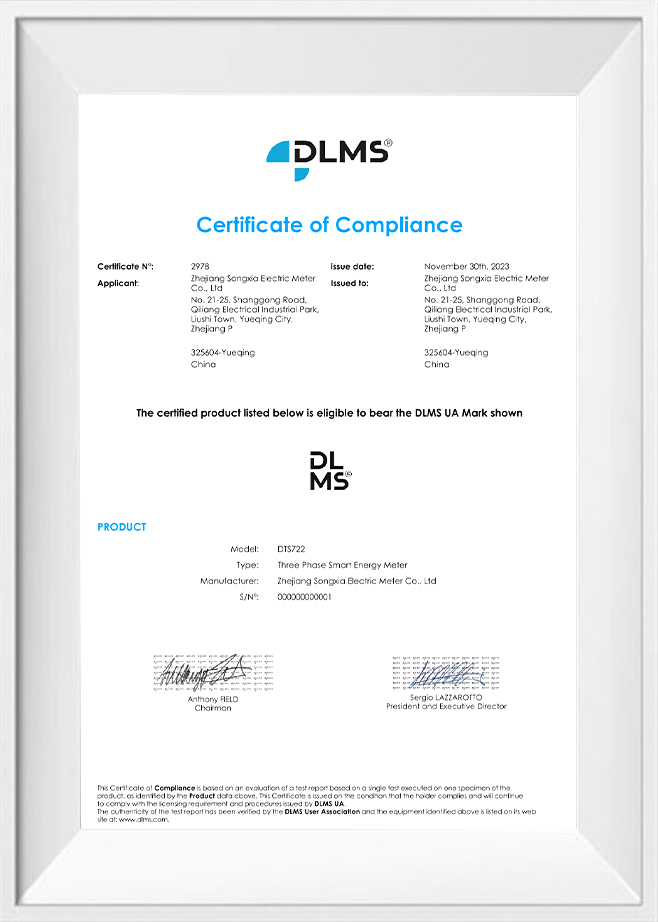
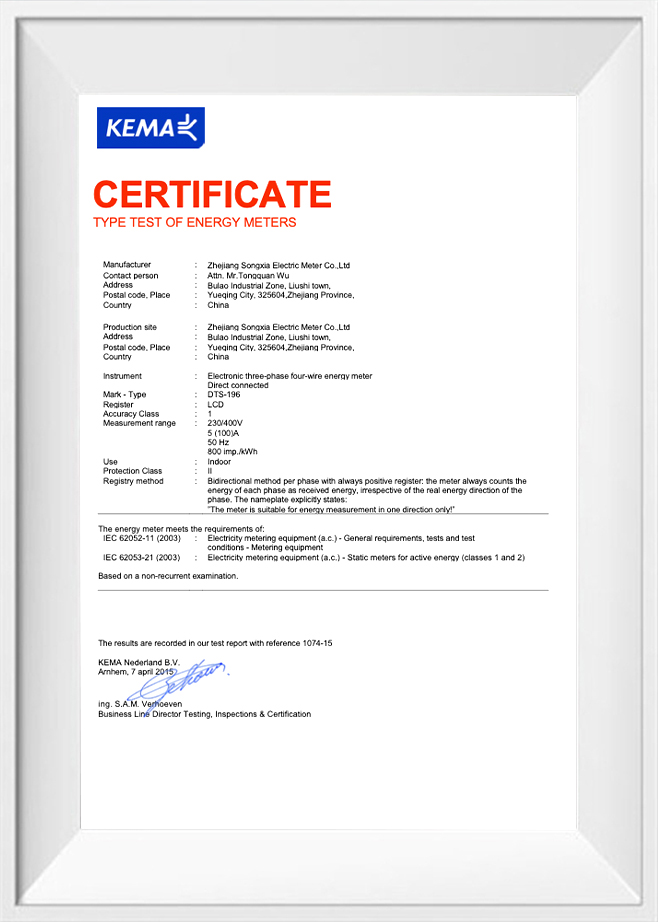
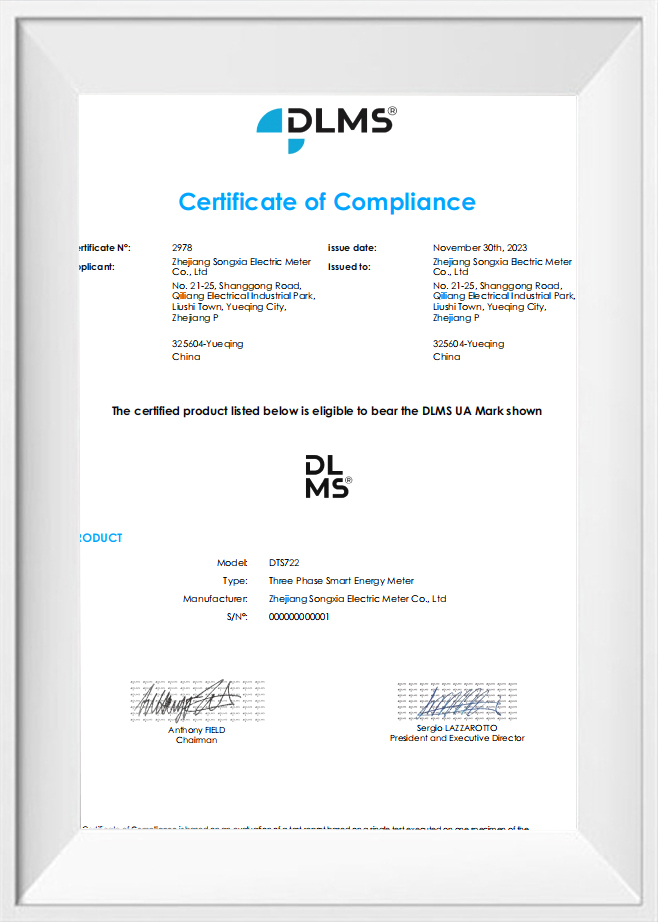
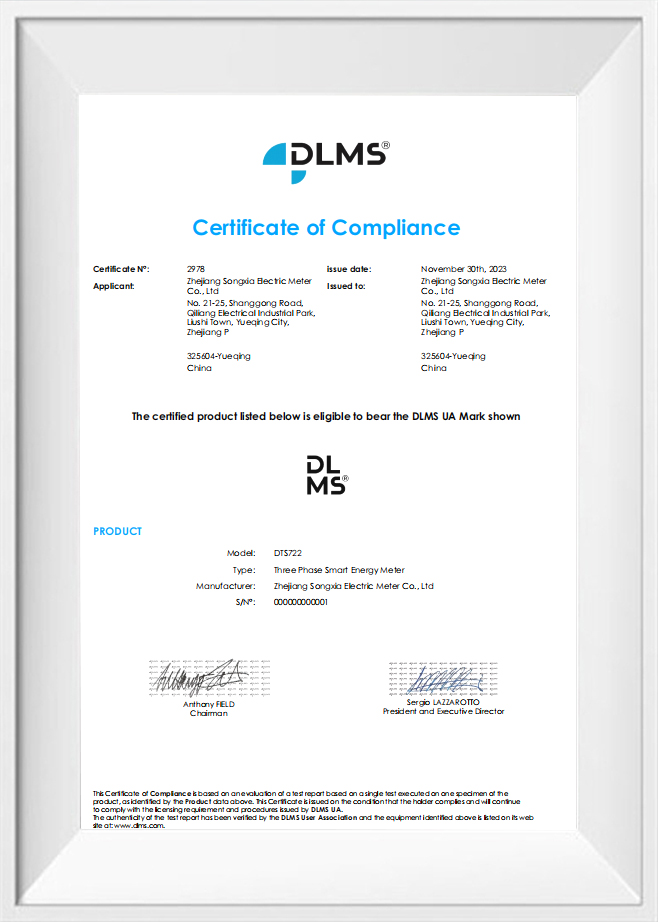
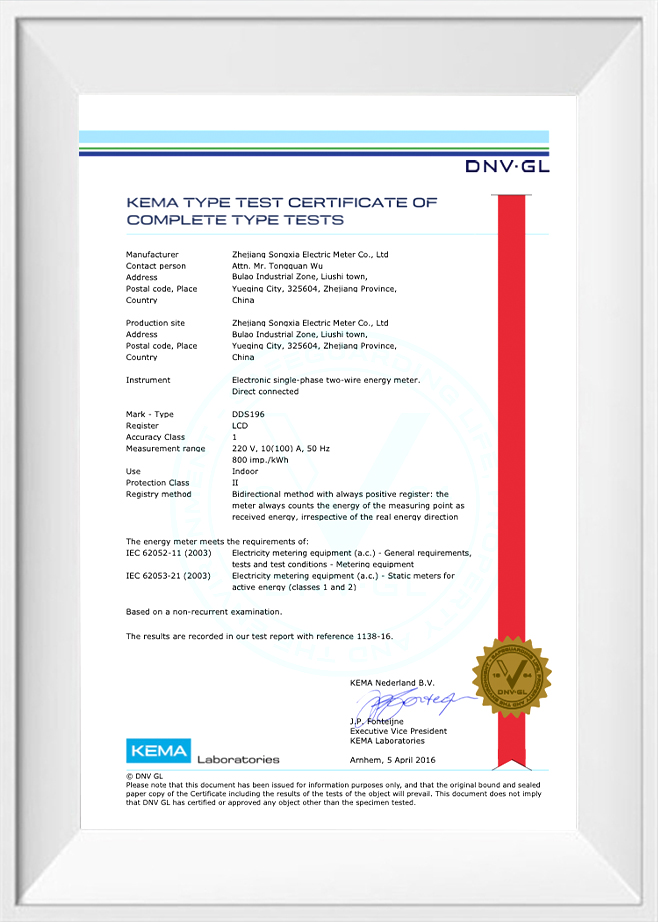
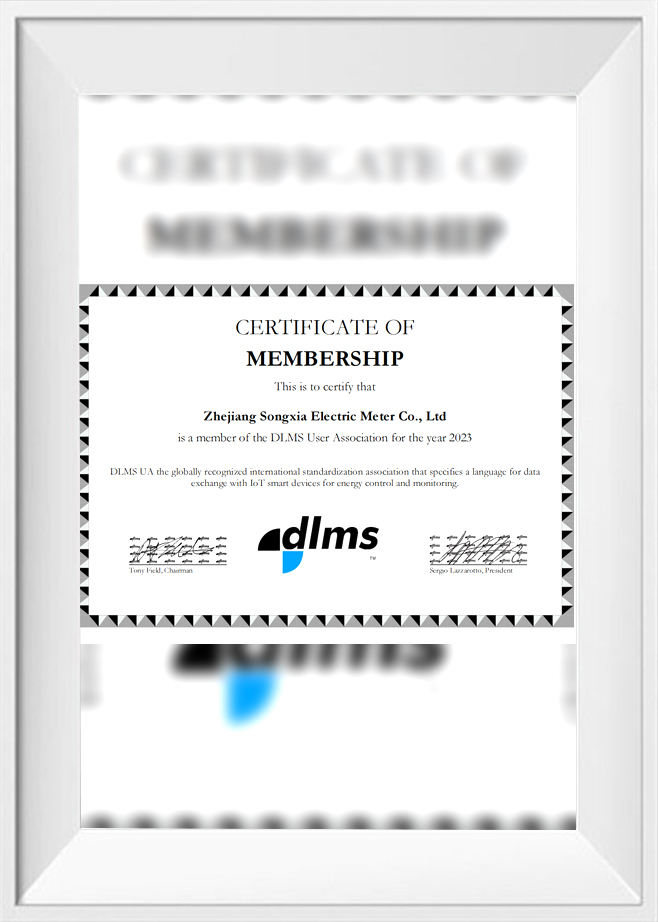
Take step and get in touch with us today.
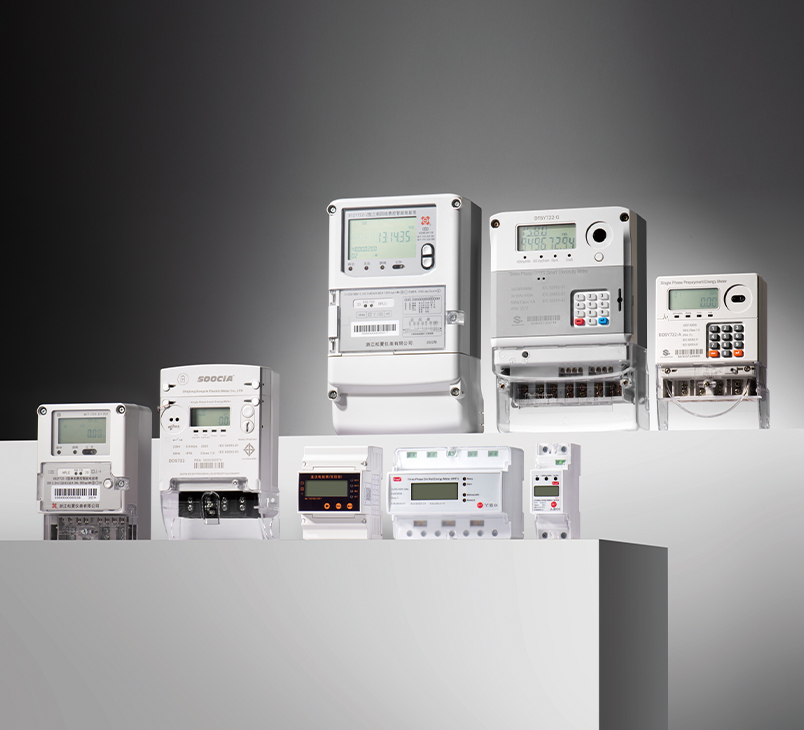
Energy meters play a crucial role in monitoring and managing electricity usage. These devices provide accurate readings of power consumption, allowing both consumers and utility companies to track energy use efficiently. With advancements in technology, energy meters have evolved from simple mechanical counters to sophisticated digital and electronic devices that offer more precise and real-time monitoring capabilities. Understanding the differences between various types of meters helps in selecting the right solution for different applications.
An Energy Meter is a device designed to measure the amount of electrical energy consumed by a residence, business, or industrial facility. Traditional energy meters are often mechanical, using rotating disks and analog displays to record energy usage in kilowatt-hours (kWh).
These meters operate on the principle of electromagnetic induction. As electricity flows through the meter, it generates a magnetic field that moves a small metallic disk. The disk's rotation is proportional to the amount of electricity consumed. The readings are displayed through a series of mechanical dials, providing a clear record of power consumption over time.
Energy meters are essential for accurate billing and energy management. They help users identify usage patterns and make informed decisions about energy efficiency. Regular calibration ensures that these meters maintain their accuracy and reliability over extended periods.
The Electronic Energy Meter represents the transition from mechanical to electronic technology. Unlike traditional meters, electronic energy meters use digital circuits and electronic sensors to measure electricity consumption. They offer greater accuracy and can handle complex billing scenarios, including multi-tariff calculations and peak-hour tracking.
Electronic energy meters rely on current and voltage sensors to capture electrical parameters. These signals are processed by microcontrollers, which calculate energy consumption and display the results on digital screens. Many models include additional functions, such as remote reading, tamper detection, and communication with centralized energy management systems.
These meters are widely used in commercial and industrial applications where precise monitoring is necessary. Their compact size, low maintenance requirements, and ability to integrate with data networks make them suitable for modern electricity infrastructure.
Digital Energy Meters take electronic energy measurement a step further by offering advanced data processing and connectivity features. These meters not only record energy consumption but also provide insights into power quality, voltage fluctuations, and load patterns.
Digital energy meters are equipped with microprocessors that continuously monitor electrical parameters. They can store historical data, enabling trend analysis and predictive energy management. Some models support wireless communication, allowing utility providers and facility managers to collect data remotely and respond to anomalies quickly.
The integration of digital meters into smart grid systems enhances overall energy management. They provide valuable information that supports demand response strategies, energy conservation initiatives, and better coordination between energy supply and consumption.
Energy meters, whether mechanical, electronic, or digital, are critical for multiple sectors:
Electronic and digital meters provide additional advantages such as easier data integration, the ability to support automated billing, and remote monitoring capabilities. By offering accurate and timely information, these devices contribute to a more reliable and intelligent electricity network.
Selecting an appropriate energy meter depends on the application, required accuracy, and desired features. While traditional energy meters are sufficient for basic monitoring, electronic and digital meters provide advanced functionality that supports modern energy management systems. Understanding the operational environment and technical requirements ensures that the chosen meter meets both immediate and long-term needs.
Regular maintenance and calibration are important for all types of meters to maintain accuracy. Additionally, adherence to local standards and regulations ensures compliance and safety in electricity metering.

With over 30 years of experience in electricity metering, we specialize in the design, manufacturing, and supply of energy meters. Our product portfolio covers multiple series, including mechanical, electronic, and smart meters.
Contact Us
+86-577-62711702
Zhejiang Soocia Electric Meter Co., Ltd.:
No.21-23 Shanggong Road, Shangwu Industrial Zone, Liushi Town, Yueqing City, Zhejiang Province, China
Huaxia Power Transmission And Distribution Equipment Co., Ltd.:
No. 222 Weisan Road, Yueqing Economic Development Zone, Yueqing City, Zhejiang Province, China

Design Electronic Energy Meter