中文简体
中文简体
 English
 русский

Quick Product Search
Contact us to learn how we can use our expertise to bring you high-quality products.
SOOCIA’s electricity meters are widely used across all stages of power generation, transmission, and consumption. We deeply understand the critical importance of accuracy, reliability, and compliance in energy metering. From intelligent meters tailored for residential users, compatible with advanced metering infrastructure (AMI) and smart grids, to high-performance solutions customized for commercial and industrial users, our electricity meters meet the diverse needs of various applications. Each meter is meticulously designed to ensure precise data, stable operation, and cost-effectiveness, providing customers with a reliable and efficient choice. This commitment reflects our unwavering dedication to creating value for our clients.
Founded in 1992, Zhejiang Soocia Electric Meter Co., Ltd. is a dedicated specialist in electricity metering with over 30 years of experience. As a Custom Electric Energy Meter and Design Electric Energy Meter factory, we are mainly engaged in Electric Energy Meter Manufacturing.
Over the years, Soocia has established a long-term strategic partnership with State Grid Corporation of China, positioning itself as a core supplier. Building on this domestic success, the company has also expanded into international markets across Southeast Asia, Europe, and Africa, earning a strong reputation among customers worldwide.
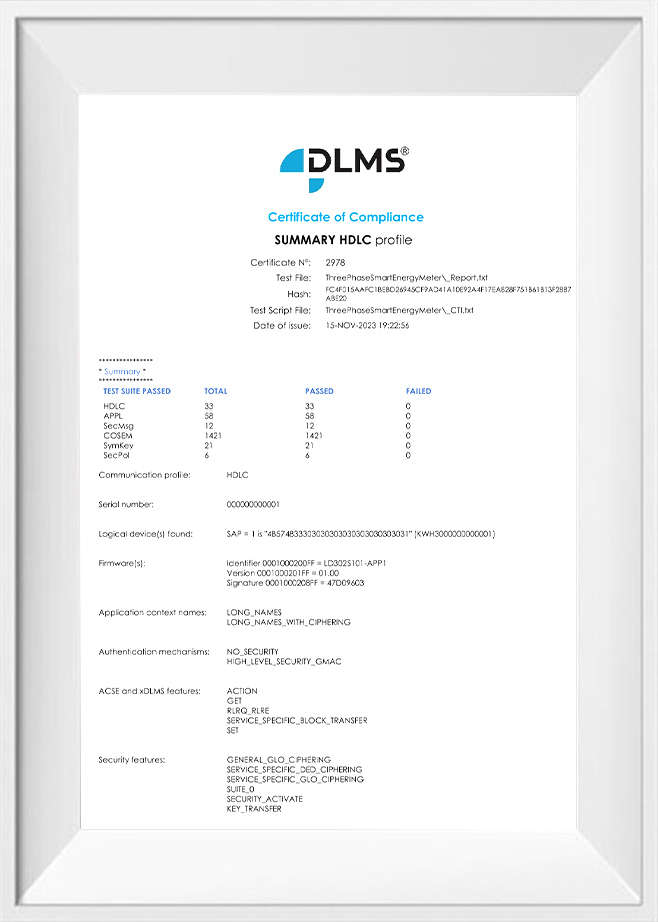
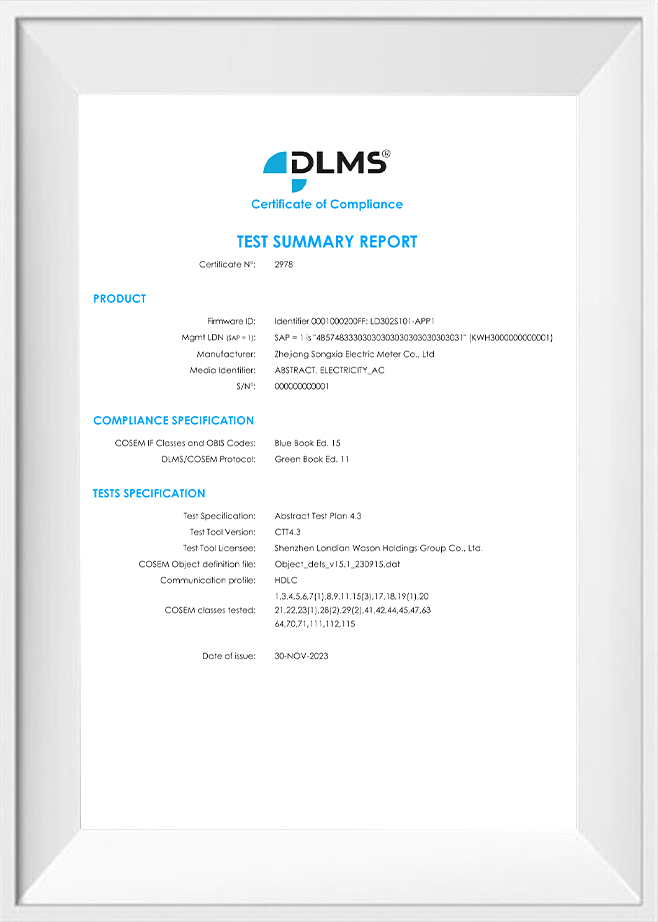
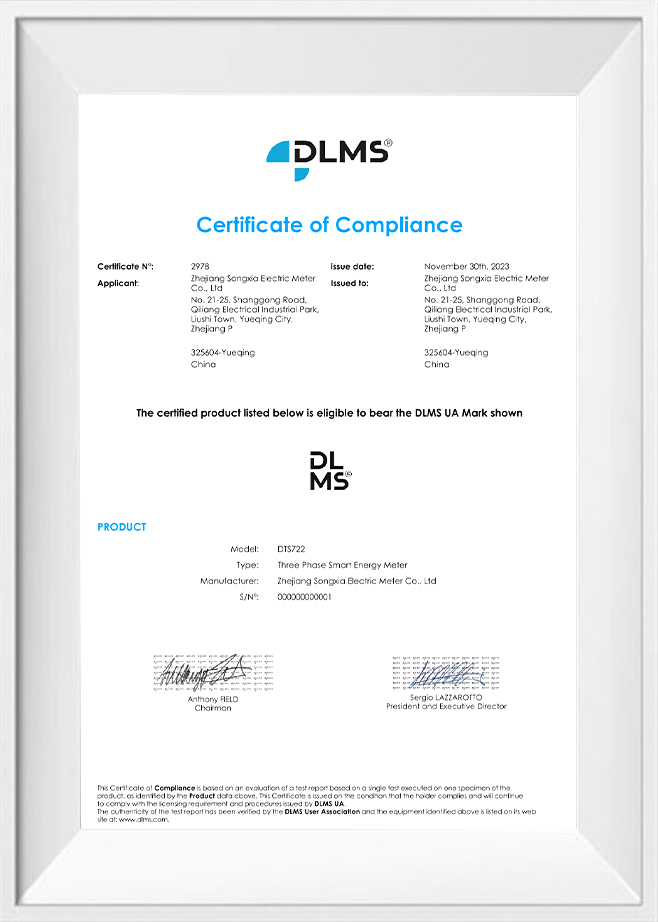
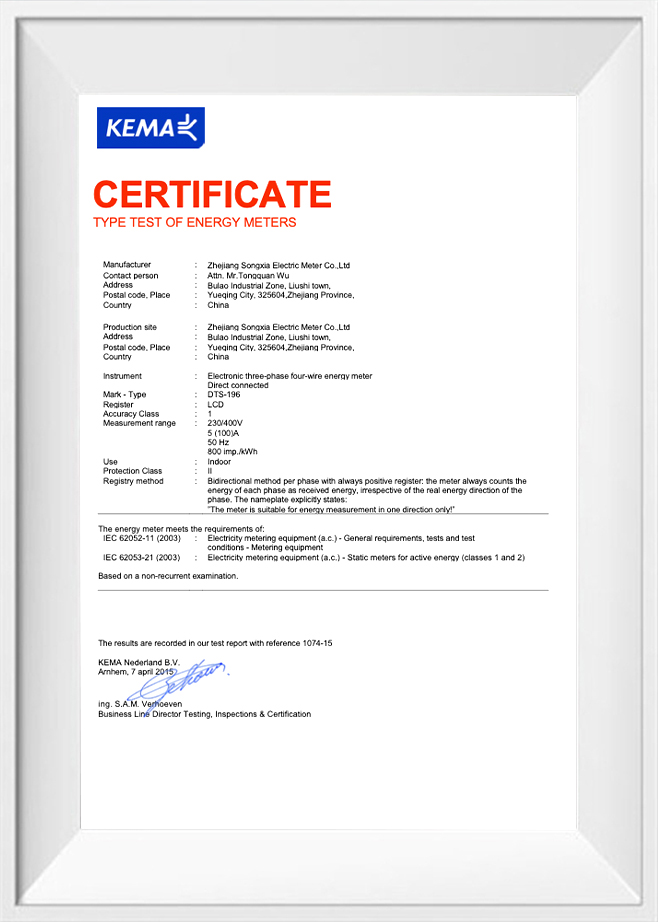
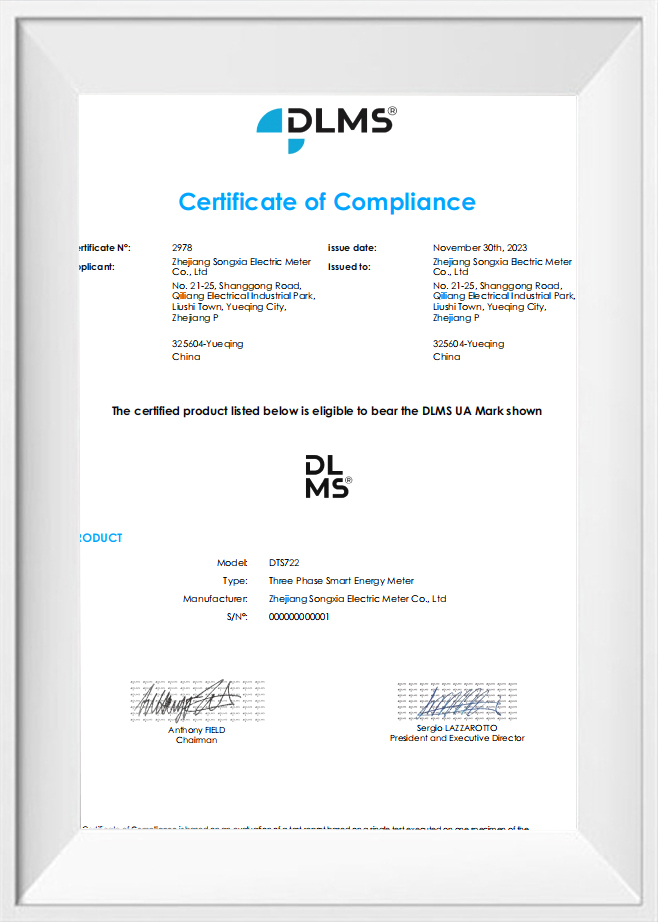
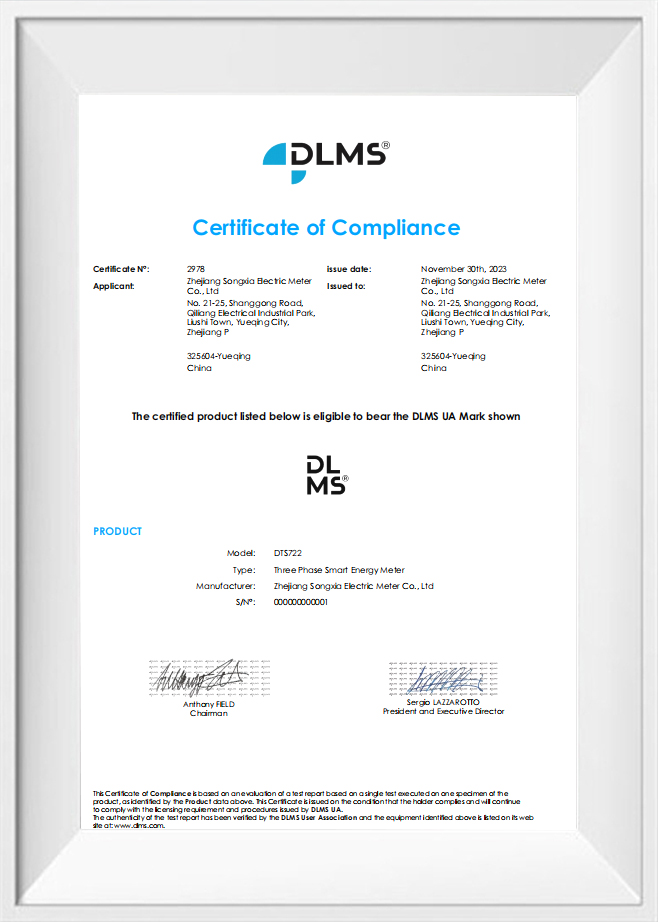
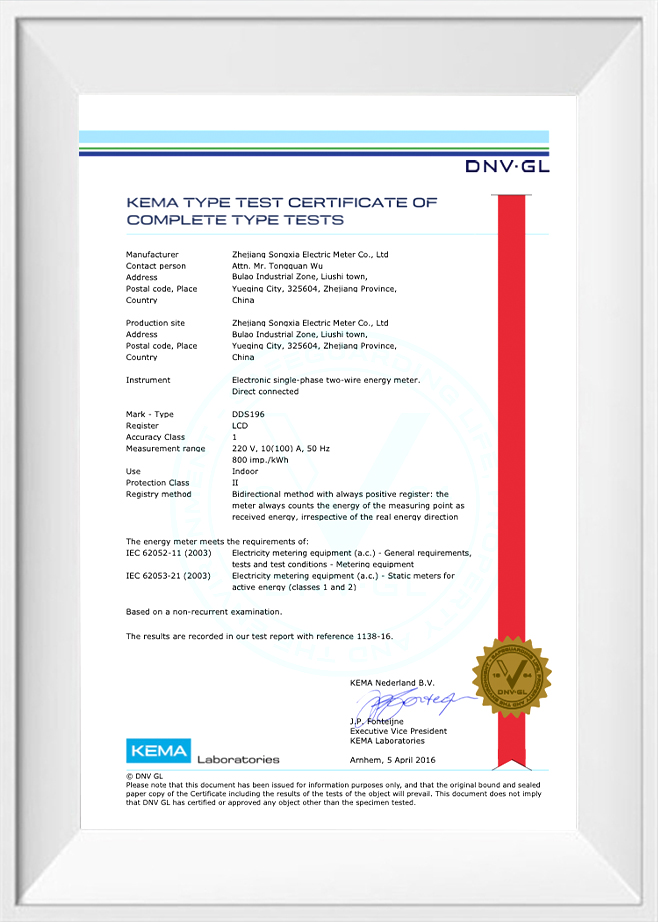
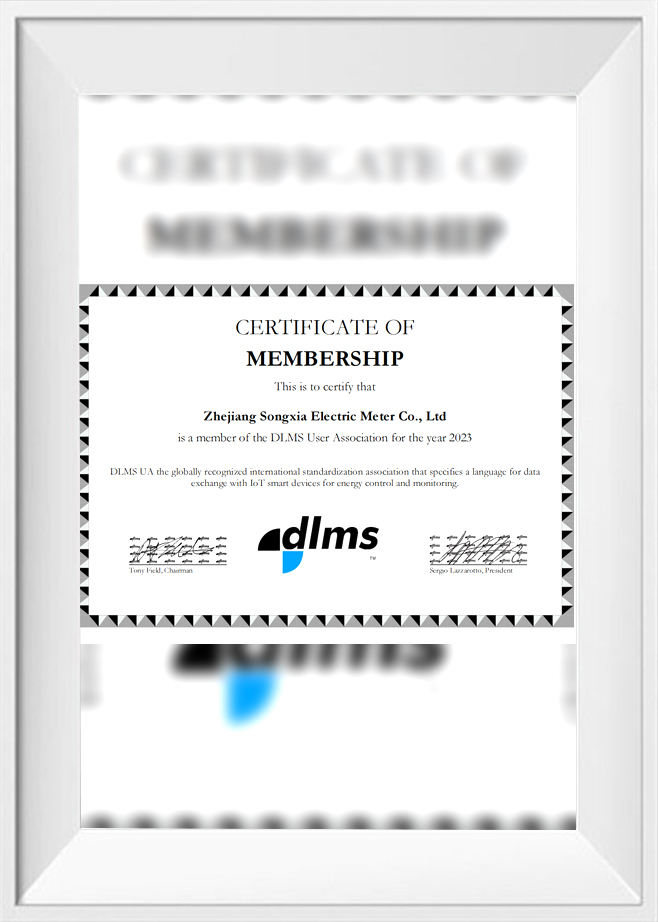
Take step and get in touch with us today.
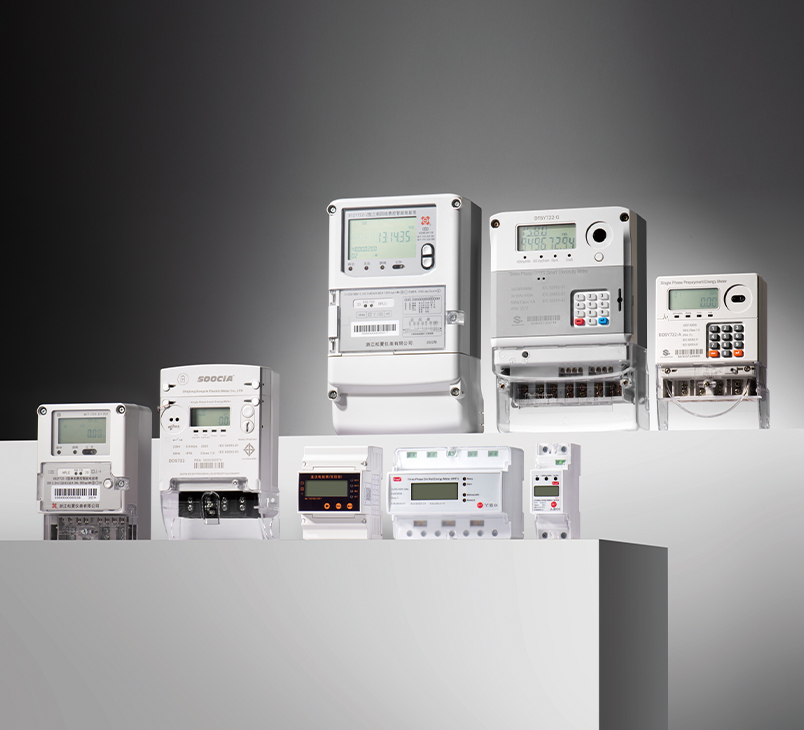
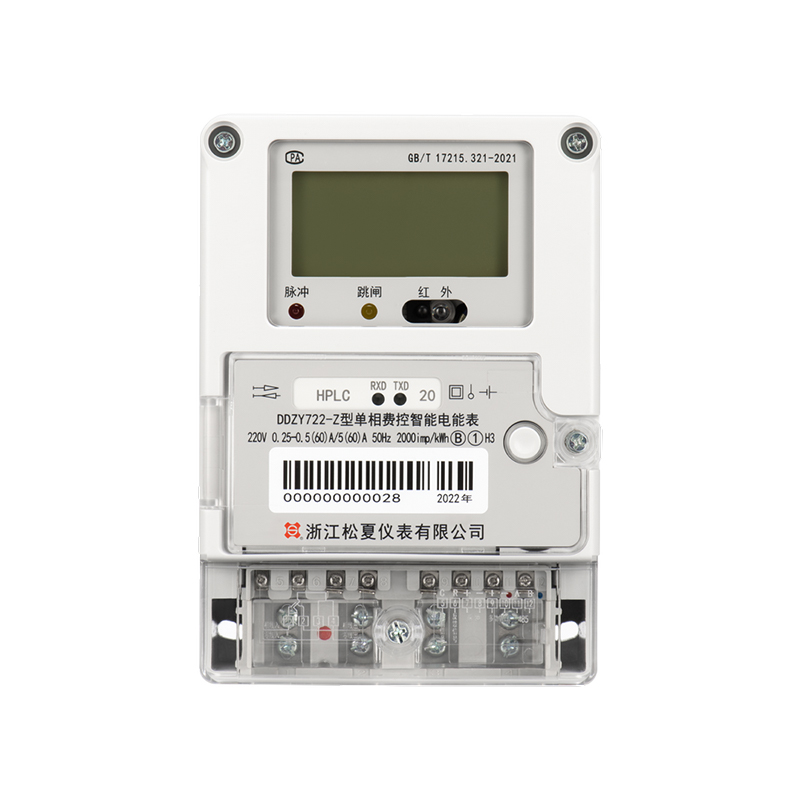
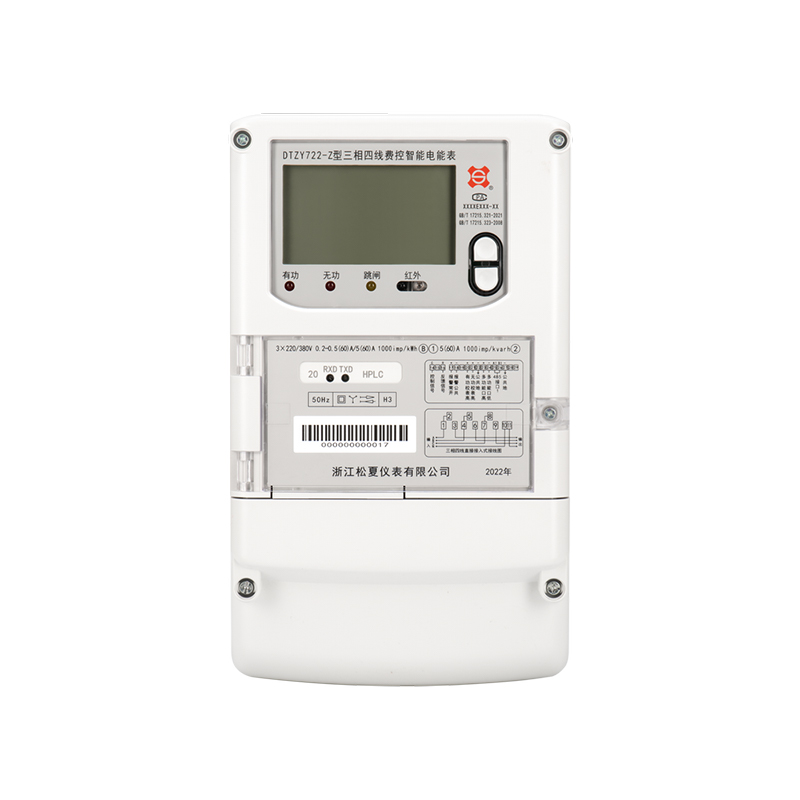
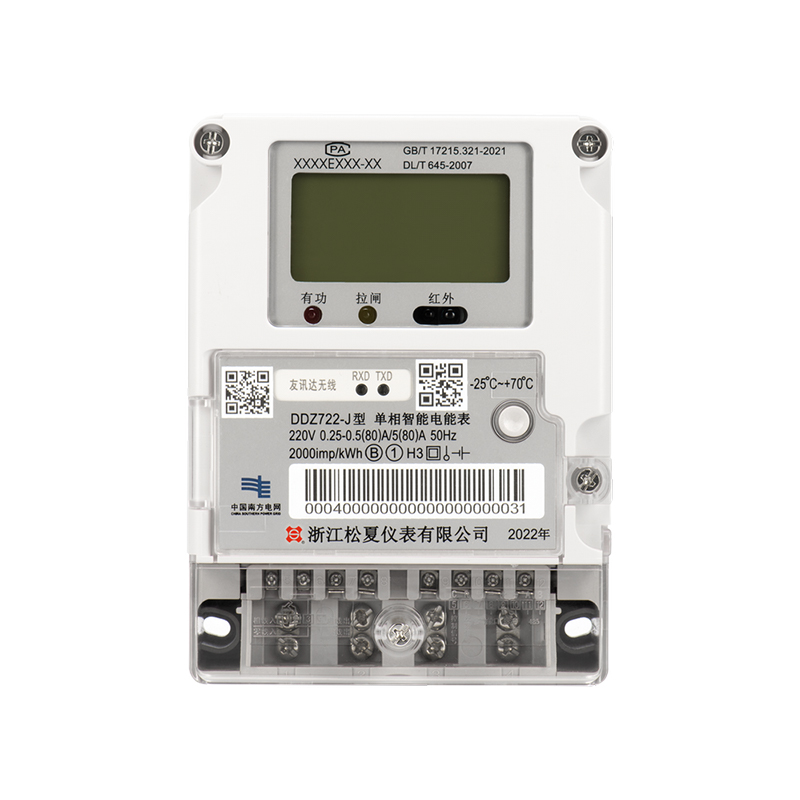
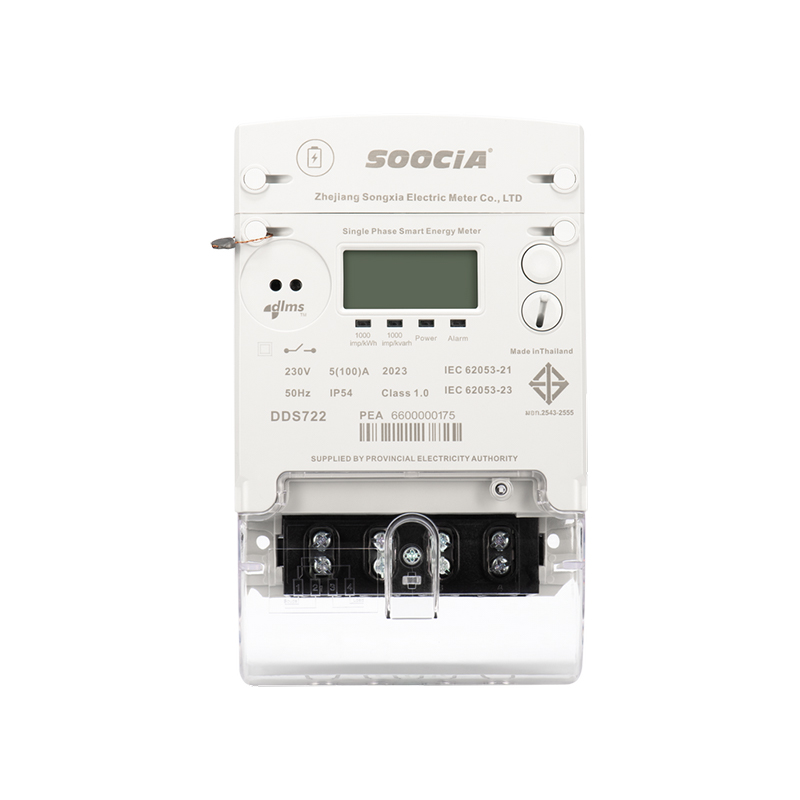
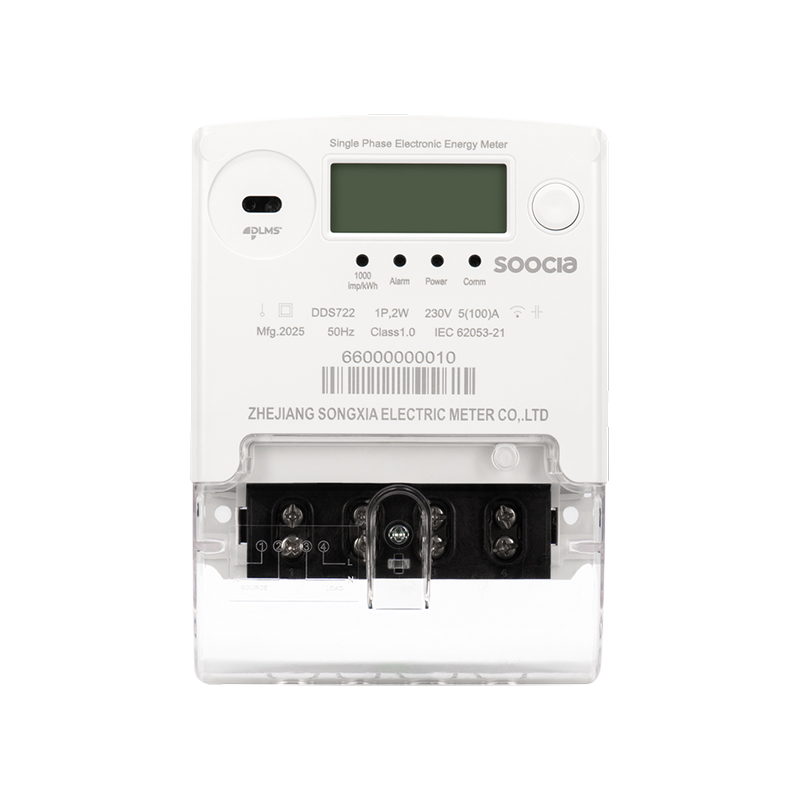
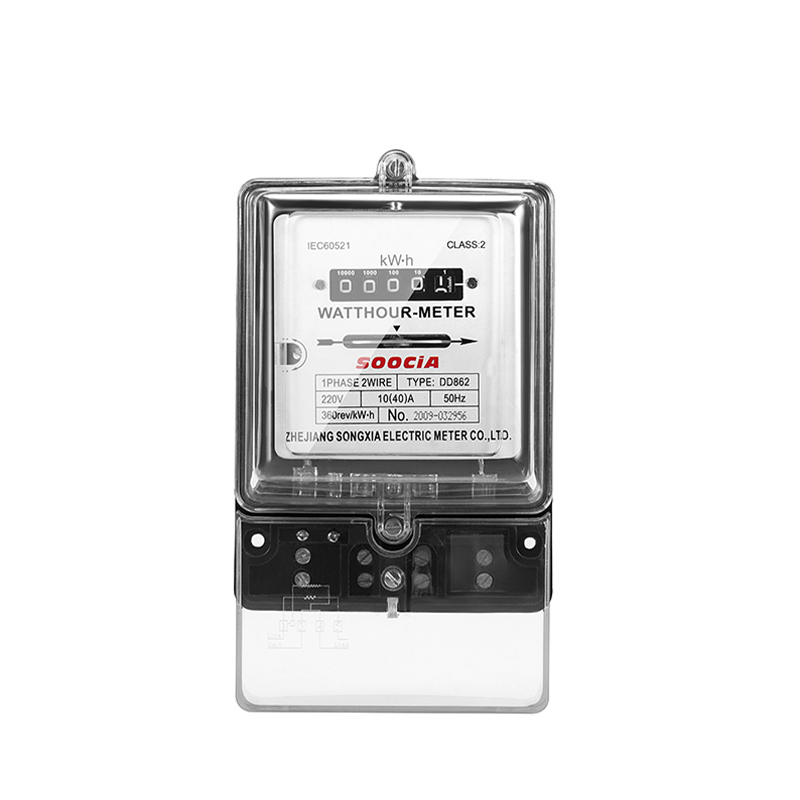
Electric energy meters play a crucial role in the management and monitoring of electricity consumption. These devices measure the amount of electrical energy used by residential, commercial, or industrial users. They provide essential data for billing purposes and help utilities track energy usage patterns.
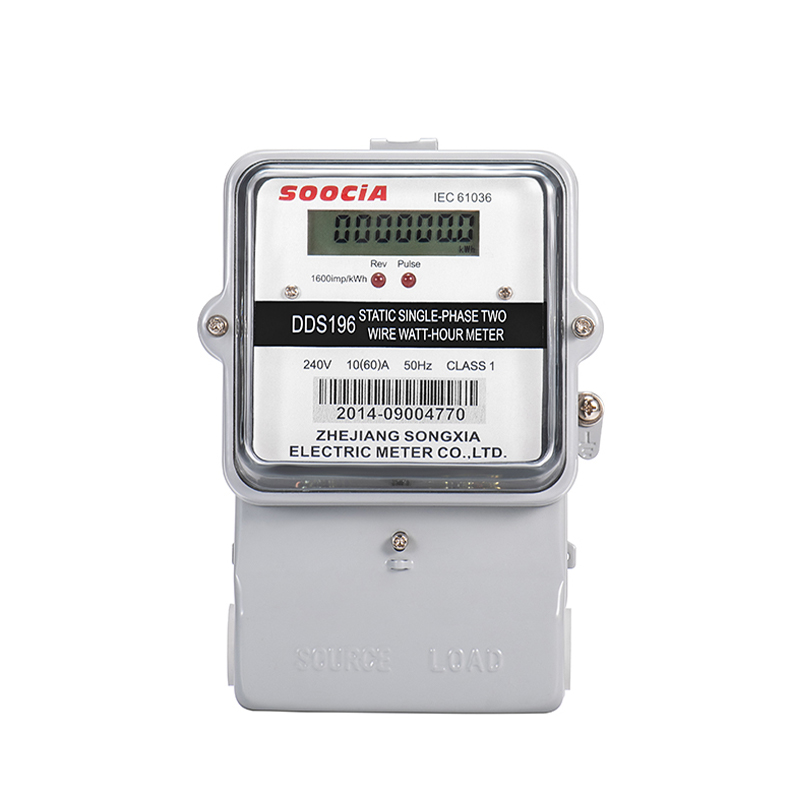
Electric energy meters typically operate by monitoring the flow of current and voltage in an electrical circuit. Traditional mechanical meters use a spinning disc to record energy usage, while modern electronic meters rely on digital components to provide more accurate readings. The data collected by these meters can also support energy audits, load analysis, and the detection of irregular consumption patterns.
Understanding the function and variety of electric energy meters is important for anyone seeking to manage electricity usage efficiently and plan for future energy needs.
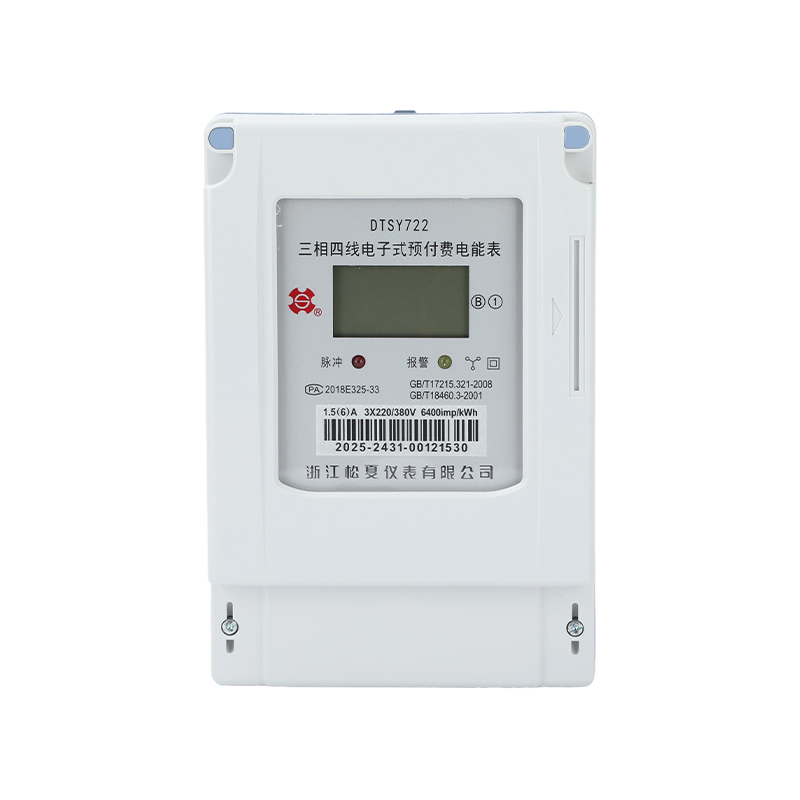
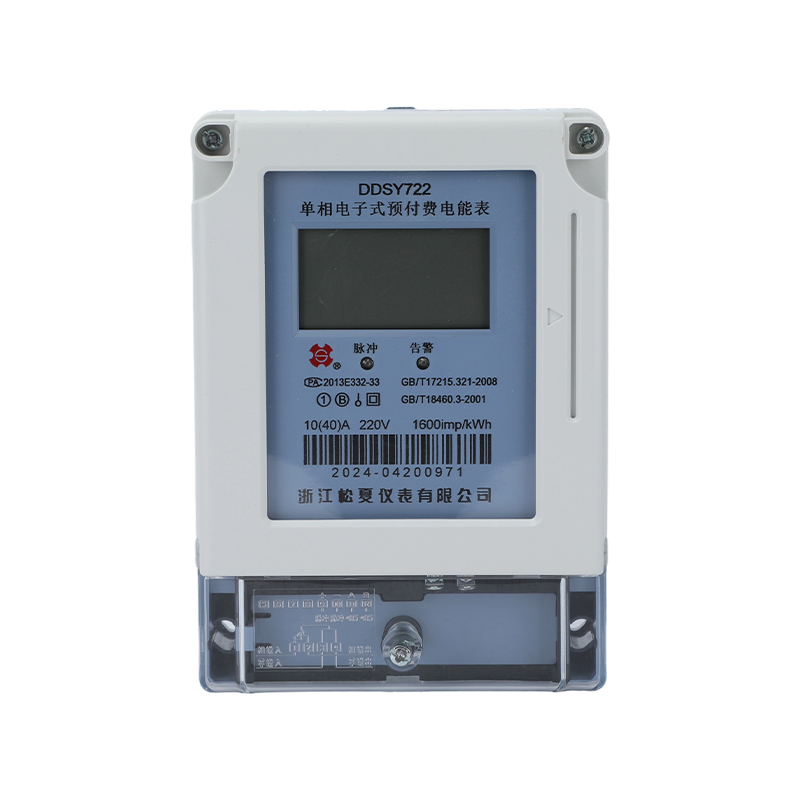
Smart pre-payment meters are designed to allow users to pay for electricity before consumption. These meters have gained popularity in both residential and commercial settings because they provide greater control over energy spending.
The operation of a smart pre-payment meter typically involves a user purchasing electricity credits, which are then uploaded to the meter using a card, token, or mobile application. As energy is consumed, the meter deducts the corresponding amount from the prepaid balance. Once the balance reaches a low level, the meter may alert the user through a display or notification system.
One key feature of smart pre-payment meters is their ability to provide real-time feedback on energy consumption. Users can monitor usage trends, identify high-consumption appliances, and make adjustments to reduce unnecessary costs. Utilities also benefit from these meters, as they reduce the need for manual meter reading and improve the accuracy of billing.
Electrical energy meters are central to the monitoring and control of electricity in various environments. These meters measure energy consumption over time and generate data that can be analyzed for operational insights.
Modern electrical energy meters often include digital interfaces that allow for remote reading and integration with energy management systems. This functionality enables facility managers to track energy consumption across multiple locations, schedule maintenance, and implement energy-saving strategies.
In industrial applications, electrical energy meters can provide detailed information about load distribution, peak demand, and power factor. This data supports operational decisions, helps prevent overloads, and contributes to long-term energy efficiency.
The shift from traditional mechanical meters to electronic and smart solutions brings several practical benefits:
These advantages make modern energy meters an essential tool for both consumers and utilities seeking efficient energy management.
Selecting the right energy meter requires understanding specific needs and operational environments. Factors to consider include:
Careful consideration of these factors ensures that the selected energy meter aligns with usage patterns and operational goals.

With over 30 years of experience in electricity metering, we specialize in the design, manufacturing, and supply of energy meters. Our product portfolio covers multiple series, including mechanical, electronic, and smart meters.
Contact Us
+86-577-62711702
Zhejiang Soocia Electric Meter Co., Ltd.:
No.21-23 Shanggong Road, Shangwu Industrial Zone, Liushi Town, Yueqing City, Zhejiang Province, China
Huaxia Power Transmission And Distribution Equipment Co., Ltd.:
No. 222 Weisan Road, Yueqing Economic Development Zone, Yueqing City, Zhejiang Province, China

Custom Electrical Energy Meter